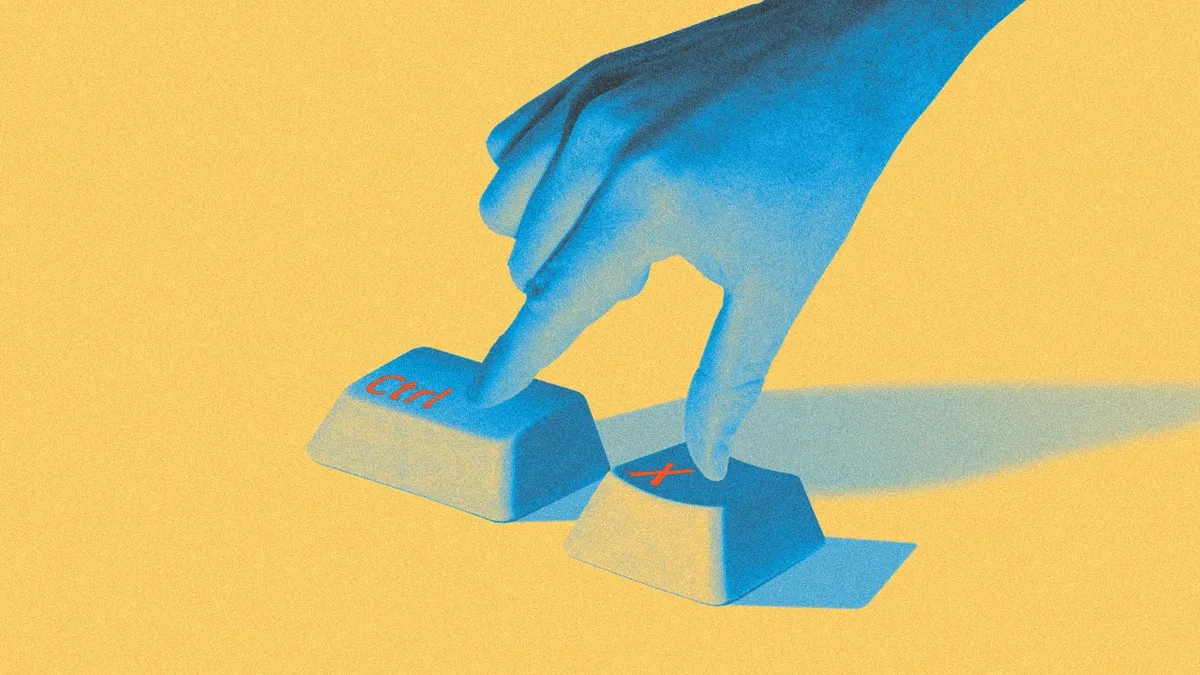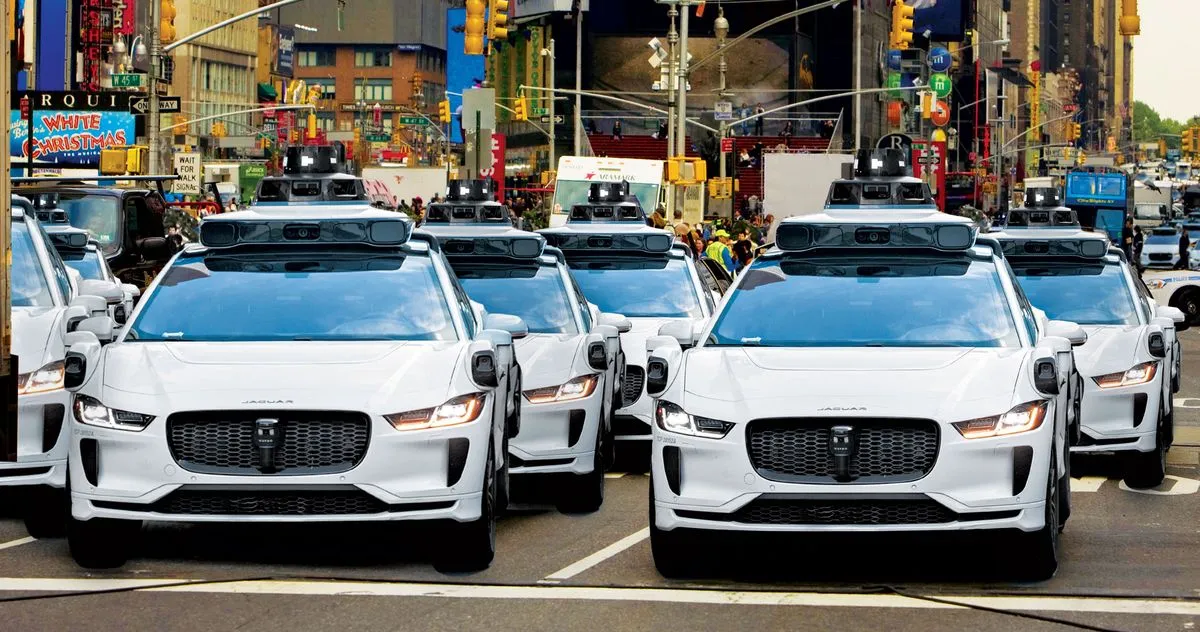
Somewhere between "the future is now" and "please don't let a robot drive me into the Hudson," New York City finds itself in an unexpectedly powerful position. Waymo - Google's self-driving car darling - has paused its autonomous vehicle testing program in the city, and according to Curbed, that pause is actually a golden opportunity for NYC to flex a little muscle before the robots come back.
A robot timeout nobody asked for
Here's the thing about autonomous vehicle companies rolling into major cities: they tend to show up, do their thing, collect their data, and leave locals to deal with the consequences. Traffic snarls, near-misses, confused pedestrians - the whole chaotic buffet. So when a company like Waymo hits the brakes on testing, even temporarily, it creates a rare moment where the city isn't just scrambling to keep up with the tech.
It's like your most demanding houseguest suddenly leaving for the weekend. You finally get to rearrange the furniture on your terms.
What NYC could actually ask for
This is where it gets interesting - and where most cities historically drop the ball. The temptation is to just wave autonomous vehicles back in with minimal conditions because, hey, innovation! Future! Cool cars! But New York has leverage right now, and the smart play is using it.
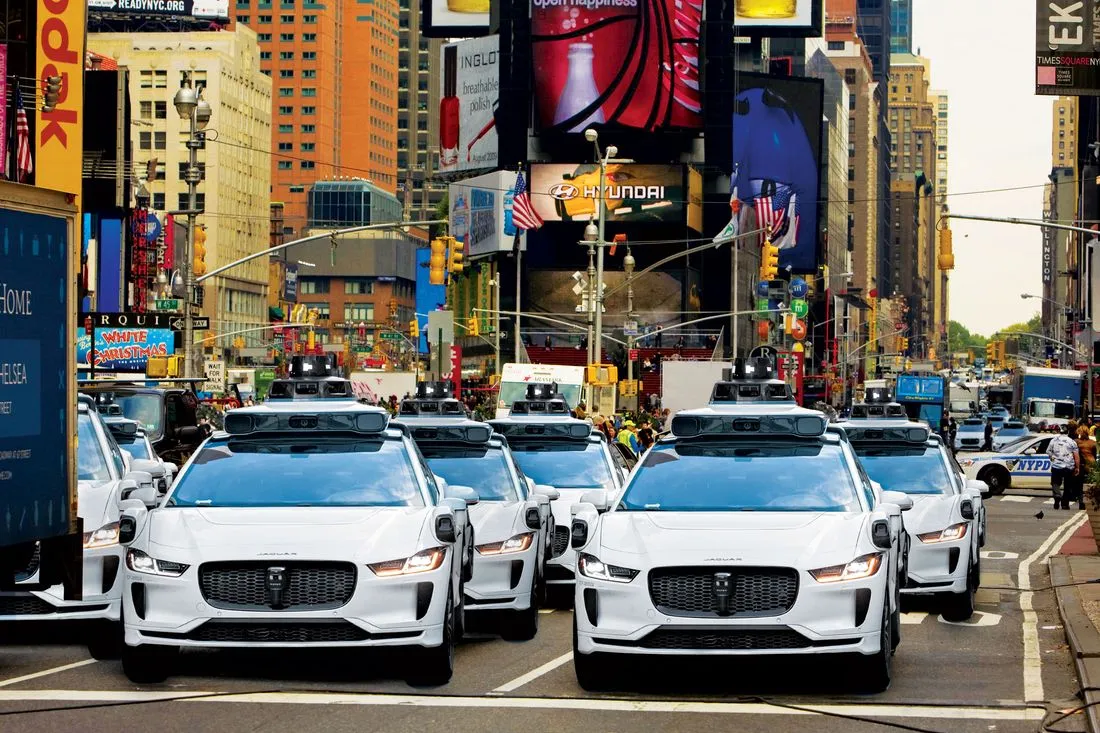
Think transparency about safety data. Think actual community input on where these vehicles operate. Think commitments around how the technology interacts with the city's existing (already extremely chaotic) transportation ecosystem. New York's streets aren't Phoenix suburbs - they're a 24/7 obstacle course of cyclists, delivery trucks, jaywalkers, and the occasional rogue pigeon.
The bigger picture nobody wants to say out loud
Autonomous vehicle companies need dense urban markets to prove their technology works at scale. Manhattan is basically the final boss of driving environments. That means Waymo needs New York arguably more than New York needs Waymo - at least right now.
Cities that rolled out the red carpet for rideshare companies a decade ago without conditions are still dealing with the fallout. Congestion got worse. Drivers got squeezed. Regulators played permanent catch-up. The self-driving era doesn't have to repeat that pattern, but only if cities actually show up to negotiate instead of just being impressed by the shiny tech.
The pause button has been pressed. New York, for once, is not the one scrambling. The question is whether anyone in city hall is nerdy enough about transportation policy to actually use that window - or whether Waymo will just quietly resume testing and everyone will have moved on to the next thing.
Clock's ticking, New York.