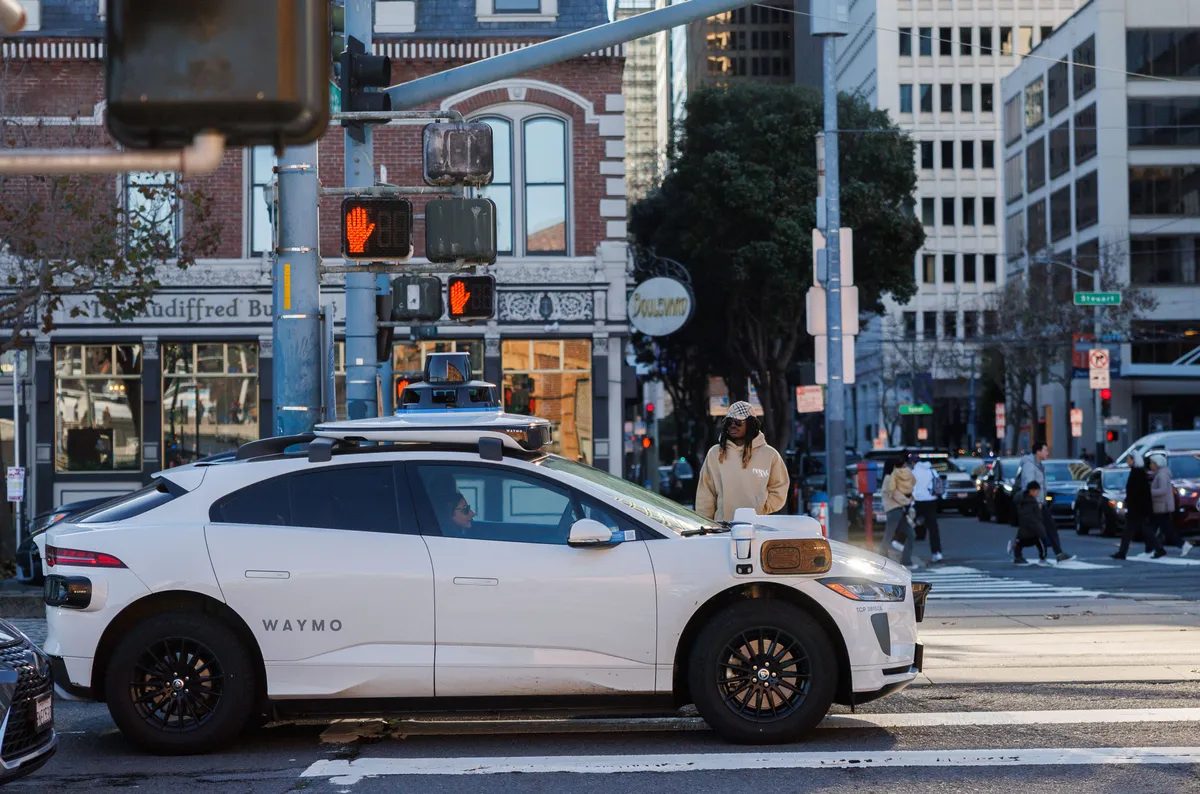
Potholes are one of those universal frustrations that unite us all - whether you're driving a beat-up sedan or a brand-new EV, hitting a nasty crater in the road is never fun. But fixing them has always been a slow, reactive process that depends largely on drivers filing complaints or city workers manually scouting problem areas. A new partnership between Waymo and Waze, reported by Mashable, wants to change that.
Smarter roads through shared data
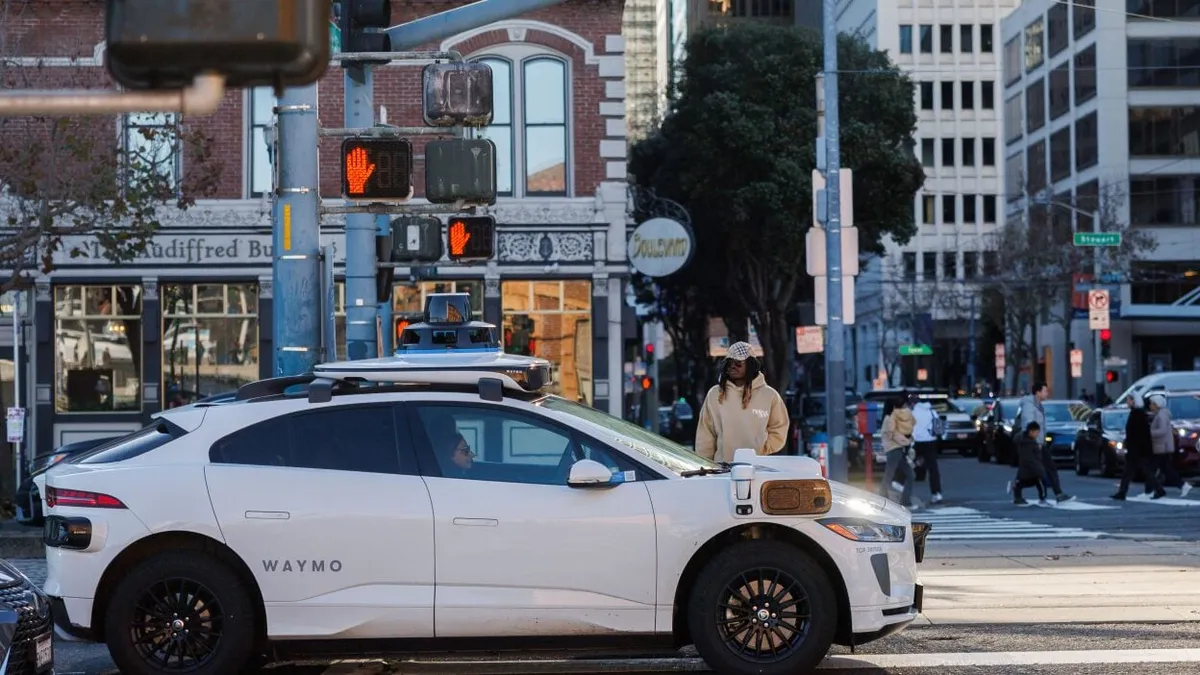
The two companies are combining forces in a pilot program that uses fleet data to identify road defects with much greater precision than traditional methods allow. Waymo's autonomous vehicles are already packed with sensors that constantly scan their surroundings - that same technology turns out to be remarkably good at detecting road surface problems. Pair that with Waze's massive network of real-time, crowdsourced navigation data from everyday drivers, and you've got a genuinely powerful tool for mapping infrastructure issues.
The idea is straightforward but the implications are significant. Instead of waiting for a pothole to become a tire-swallowing hazard before anyone notices, cities could get ahead of deterioration and prioritize repairs more efficiently. That means fewer blown tires, less vehicle damage, and - ideally - safer roads for cyclists and pedestrians too.
Why this actually matters
Urban infrastructure maintenance is notoriously underfunded and reactive. Most cities simply don't have the resources to continuously survey every street. Crowdsourcing has helped close that gap somewhat - Waze users already report hazards in real time - but autonomous vehicle sensor data adds a whole new layer of detail and consistency that human reporting can't match.
For anyone living in a city with crumbling roads (which, let's be honest, is most of us), this kind of tech partnership represents something genuinely useful. It's not just a flashy product launch - it's data being put to work on a problem that affects daily life in a very tangible way.
Early days, but promising
The program is still in pilot stage, so widespread rollout isn't happening tomorrow. But the concept hints at a broader shift in how smart city technology might eventually function - less about futuristic novelty, more about quietly improving the infrastructure we already depend on. If autonomous vehicle data can help a city patch its streets faster and smarter, that's a pretty compelling case for the technology beyond just getting passengers from A to B.
It's the kind of collaboration that makes you think the real value of a self-driving car fleet might be as much about what it sees along the way as where it's actually going.