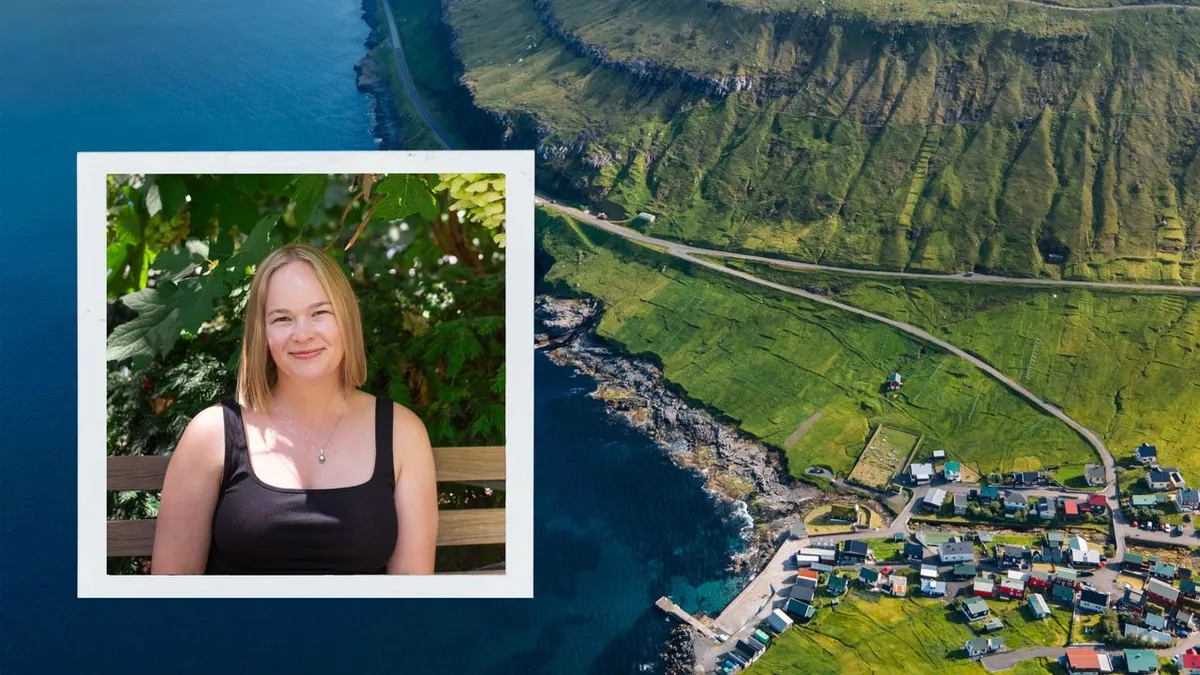
Most of us visit a place we love and bring home a fridge magnet. Katie Lockhart visited the Faroe Islands and bought a house. Respect.
The travel writer's move to one of the most remote archipelagos on the planet - think dramatic cliffs, perpetual mist, and sheep outnumbering people - wasn't a spontaneous fever dream. According to a piece she wrote for Condé Nast Traveler, it was the result of a deepening obsession with the islands' landscape, culture, and the people who actually choose to live there year-round (wild concept, we know).
But why the Faroe Islands, though?
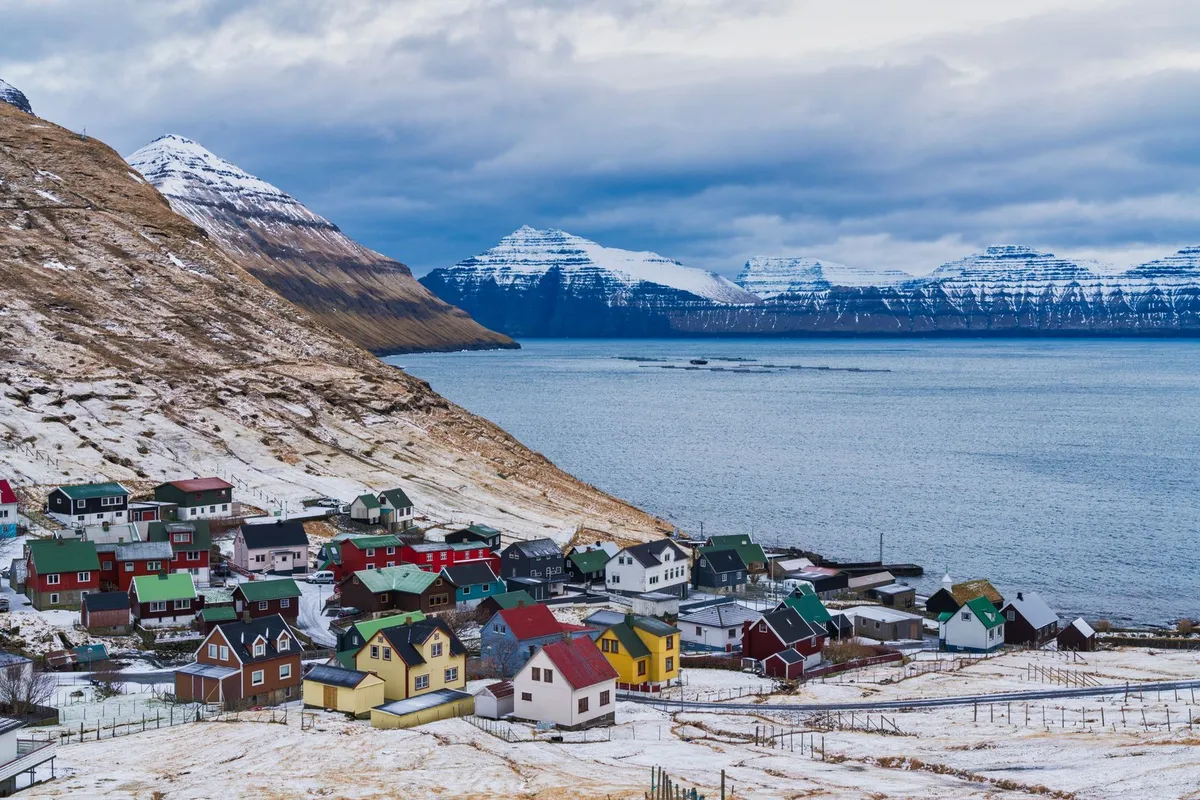
Because it's not exactly Lisbon, is it? The Faroe Islands sit in the North Atlantic, roughly halfway between Norway and Iceland, and they have absolutely no interest in being trendy. There are no beach clubs. The weather is famously chaotic. The population hovers around 55,000 people. And somehow, that's exactly the point.
What Lockhart found there - and what keeps pulling certain types of travelers back - is a rare combination of genuine wildness and genuine community. This isn't performative remoteness for Instagram. The place is just... actually like that. Waterfalls pour directly into the ocean. Villages cling to hillsides like they're daring gravity. And the culture has a quiet intensity that apparently gets under your skin in the best possible way.
The 'I'm not just visiting anymore' moment
There's a specific type of travel love that goes beyond collecting stamps in a passport. It's the kind where you start caring about a place's future, its people, its rhythms. That's what Lockhart describes - a pull so strong that casual visits stopped being enough.
Buying property abroad is obviously not a move available to everyone (the logistics alone could make a person lie down on the floor), but the impulse behind it is deeply relatable. We've all had that place. The one that felt less like tourism and more like recognition.

What this says about where travel is going
Post-pandemic, the 'slow travel' crowd has been getting louder - and honestly, good for them. The idea of actually embedding yourself somewhere, learning its grocery stores and its gossip and its particular quality of light in February, is a pretty compelling counter-argument to the five-countries-in-ten-days itinerary.
The Faroe Islands won't be for everyone. But for the right person? Apparently it's worth buying a whole house over.
Full story at Condé Nast Traveler.