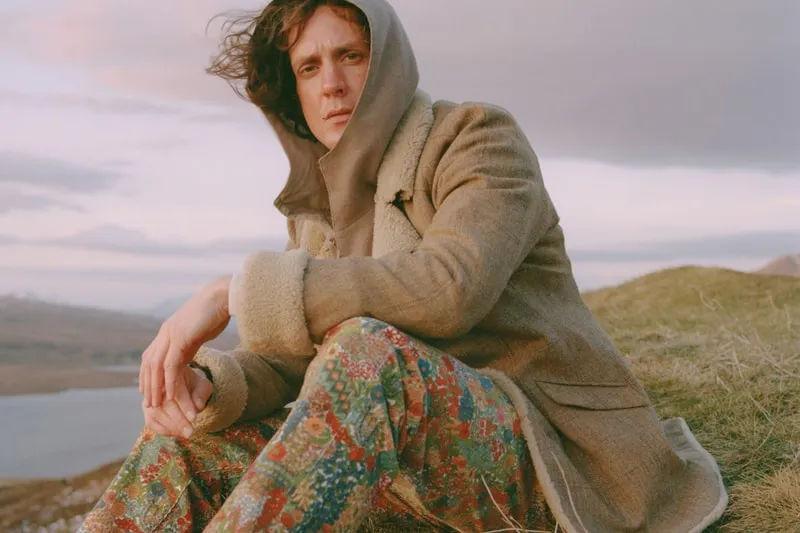
Most fashion campaigns are content to plop a model in front of a stark white wall and call it a vision. NICENESS, the cult Japanese label with a name that somehow manages to be both wholesome and deeply intimidating, had other plans.
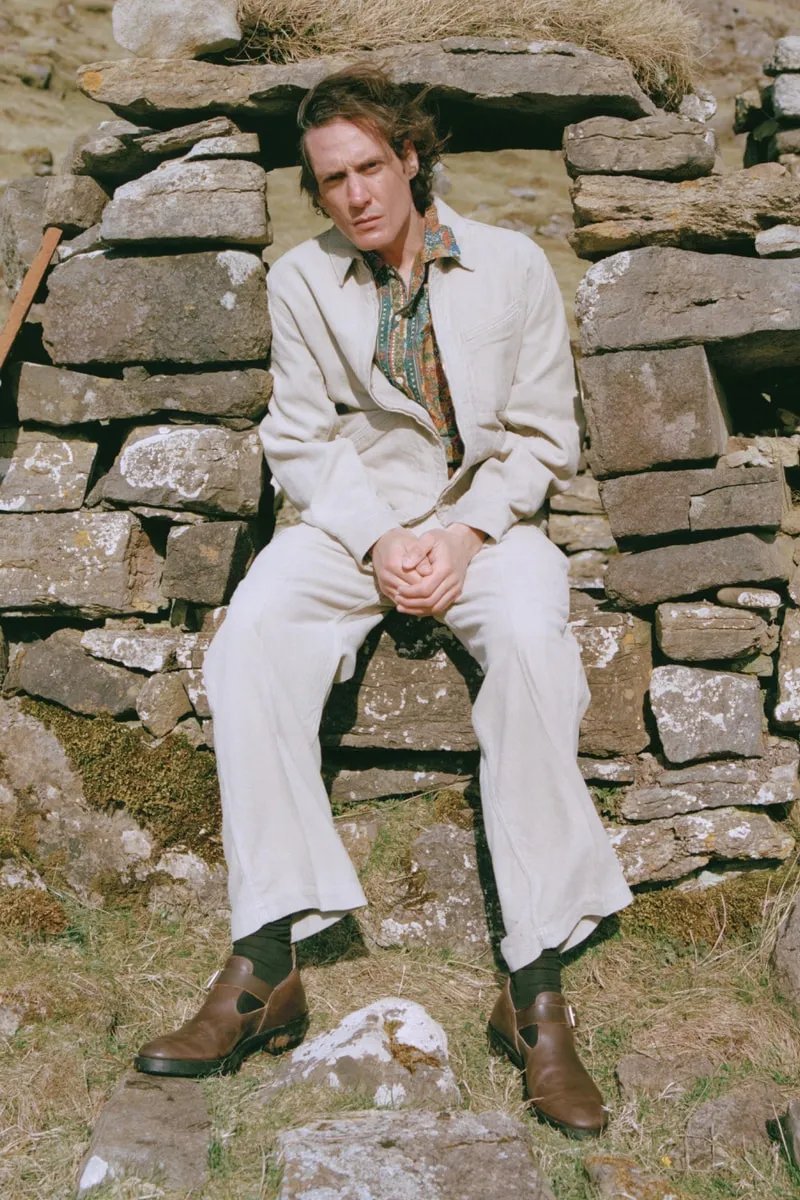
For its Fall/Winter 2026 campaign, titled The Long Becoming, the brand packed up and headed to the Isle of Skye in Scotland - one of the most dramatically windswept, geologically chaotic, and genuinely beautiful places on the planet. The campaign was shot by longtime collaborator PICZO, whose eye for atmosphere is, frankly, not fair to the rest of us.

Erosion as a design principle (yes, really)
Here's where it gets interesting. According to reporting by Hypebeast, the campaign's visual language is built around the concept of natural erosion and irregular beauty - the idea that things become more themselves over time, not less. Think crumbling coastal cliffs, shapes worn smooth by centuries of rain and wind, and the quiet dignity of things that have simply endured.
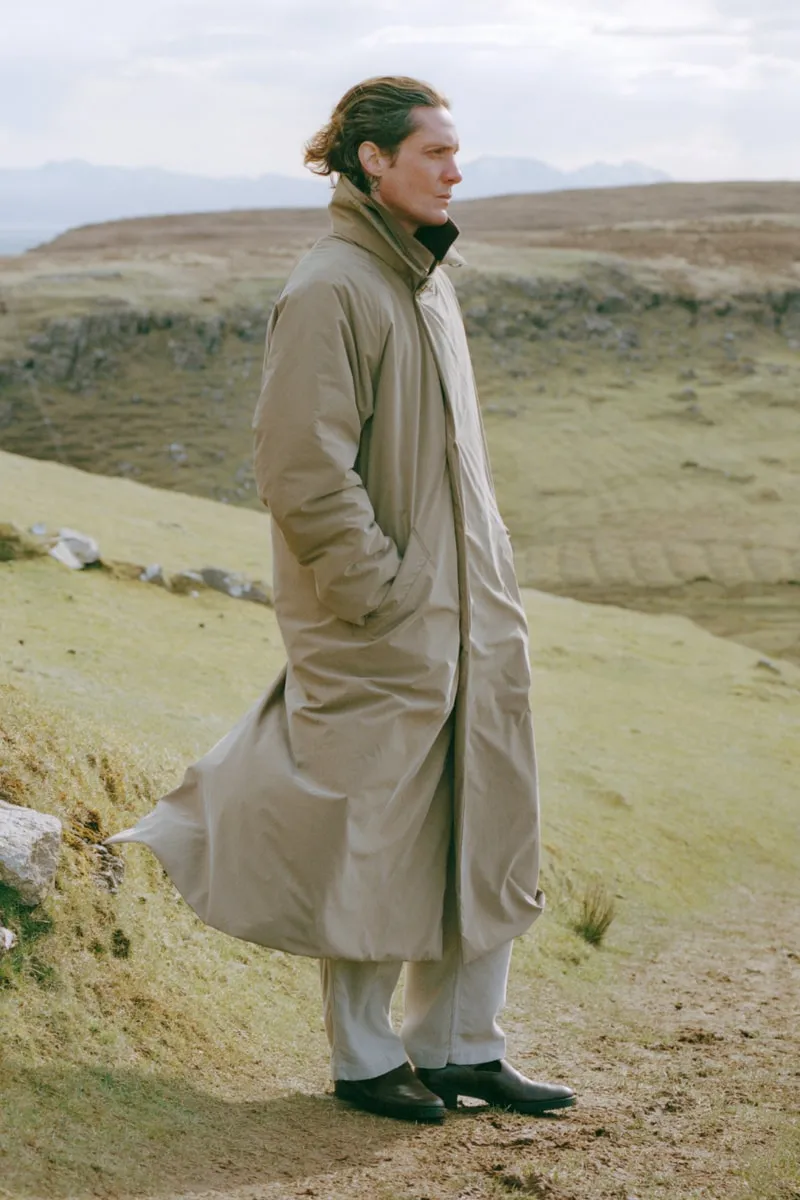
The garments themselves are said to echo William Hogarth's "Line of Beauty" - the 18th-century aesthetic theory arguing that the S-curve is the fundamental form of grace and elegance. It's the kind of reference that sounds like pretentious nonsense until you actually look at the clothes, at which point it suddenly makes complete sense and you feel slightly embarrassed for doubting it.
Why this matters beyond the mood board
Look, there are approximately one million fashion campaigns released every season, and most of them are easy to forget before you've even finished scrolling. The Long Becoming is doing something genuinely different - using landscape and philosophical concept not as decoration, but as the actual argument of the collection.
The Isle of Skye isn't just a pretty backdrop. It's a place defined by its refusal to be tamed, polished, or made uniform. Choosing it as a setting is a direct rejection of the kind of sleek, algorithm-friendly aesthetic that currently dominates the industry. NICENESS is essentially arguing that memory, wear, and the passage of time are not flaws to be corrected - they are the whole point.
In an era where fashion is increasingly optimised for a thumbnail, that's a quietly radical stance. And a rather stylish one at that.