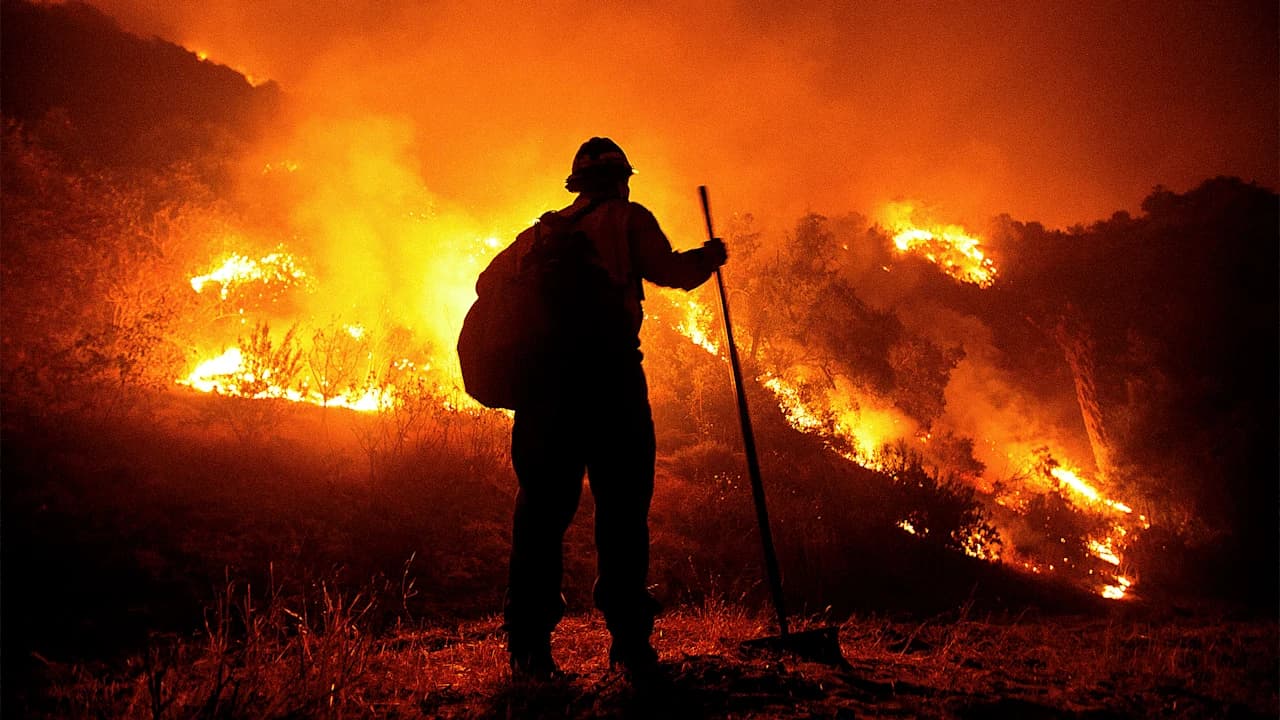
If there's ever a wrong time to scale back wildfire research, it's probably right before what experts are calling a potentially catastrophic wildfire season. Yet that's exactly what's happening right now.
The U.S. Forest Service recently announced it will be shutting down roughly three-quarters of its research facilities as part of a broader agency reorganization. According to reporting by Fast Company, the move has scientists deeply concerned - not just about the researchers who may be pushed out of their roles, but about what this means for the data we rely on to understand and respond to wildfires and climate change.
Why this matters beyond government bureaucracy
It's easy to glaze over when headlines involve federal agency restructuring. But this one has real-world stakes. The research stations being closed aren't just administrative offices - they're the places where scientists gather the on-the-ground data that informs wildfire response strategies, land management decisions, and climate modeling. Losing that infrastructure mid-season is a bit like pulling the weather sensors out of a hurricane zone right before a storm makes landfall.
The disruption hits at a particularly sensitive moment. Parts of the U.S. are already bracing for severe wildfire conditions, and the systems we use to track, predict, and manage those fires depend on continuous, well-funded scientific work. Gaps in that work don't just inconvenience researchers - they can translate into slower response times and less informed decisions at the ground level.
The bigger picture
This is part of a wider pattern of cuts and reorganizations affecting science-based federal agencies. For people who care about climate resilience - whether that means protecting communities, ecosystems, or just being able to breathe clean air during summer - moments like this are worth paying attention to.
Wildfire science has advanced enormously over the past two decades. We know far more than we used to about how fires start, how they spread, and how land management can reduce risk. But that knowledge base requires ongoing investment and institutional memory. Both of those things are now in question.
The situation is still developing, and it remains to be seen how many researchers will ultimately leave the agency and how operations will be affected going forward. But experts are already sounding the alarm, and the timing - with fire season underway - makes this a story worth following closely.