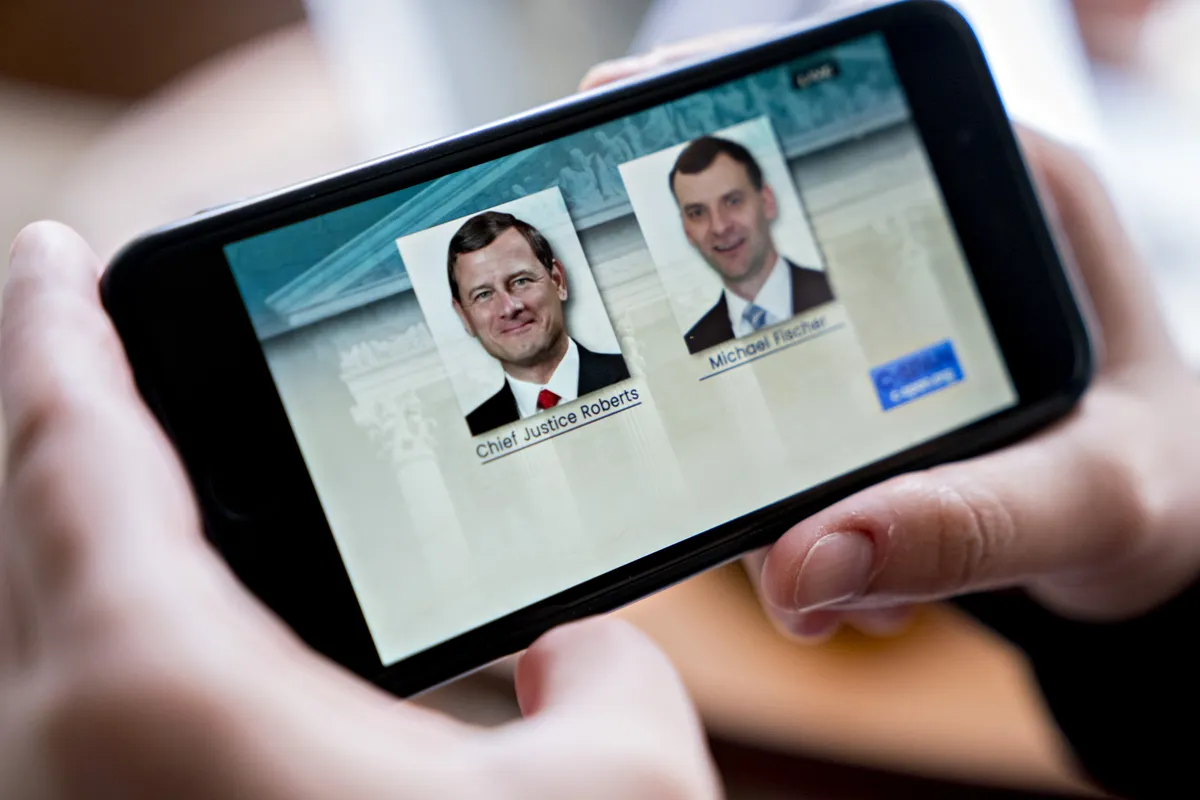
If you have ever nervously glanced at your phone and wondered whether someone, somewhere, knows exactly where you were last Tuesday at 2:47 PM - congratulations, you are now basically a Supreme Court justice.
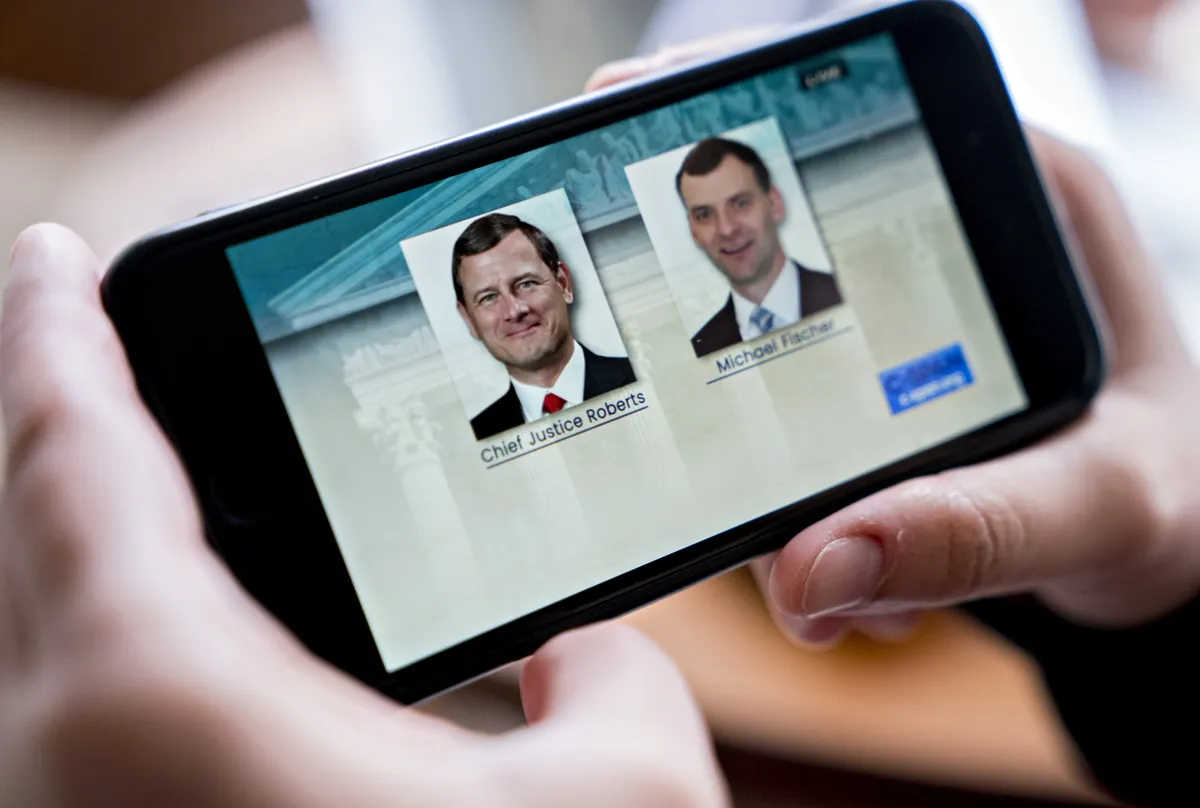
The Court heard oral arguments this week in Chatrie v. United States, a genuinely fascinating case that asks a deceptively simple question: can police use cellphone location data to figure out who was hanging around the scene of a crime? The specific tool under the microscope is called a geofence warrant - essentially a legal order that lets law enforcement demand data from companies like Google about every device present in a specific geographic area during a specific time window.
Why this is a bigger deal than it sounds
Think about what geofence data actually means in practice. Your phone is constantly pinging nearby cell towers and logging your location, often without you actively doing anything. A geofence warrant can scoop up that data for everyone in an area - not just suspects, but dog walkers, delivery drivers, people grabbing coffee, anyone who happened to exist near a crime scene. That is a lot of innocent people getting caught in a very wide net.
According to Vox's coverage of the arguments, the first half of the session sounded like the Court was gearing up to seriously curtail how police can use this kind of surveillance. Justices were asking sharp, pointed questions - the kind that make lawyers instinctively loosen their collars.

The nerves are justified
And honestly, the nervousness makes sense. The legal framework the Court has relied on for decades - built around a world of landlines and paper records - is straining under the weight of smartphones that know more about you than your therapist does. The justices are not just deciding one case. They are essentially being asked to write the privacy rulebook for an era their predecessors never imagined.
There is a real tension here between legitimate law enforcement needs and the terrifying ease with which digital surveillance can sweep up everyone in its path. Getting that balance wrong in either direction has enormous consequences.
What happens next
A ruling that guts geofence warrants entirely could hamper investigators. A ruling that blesses them wholesale could mean your Tuesday coffee run is permanently on file somewhere, available to any cop with the right paperwork. Neither outcome is particularly cozy.
The Court has not ruled yet, and based on Vox's reading of the argument, the justices themselves seem genuinely unsettled about where to land. Which, in a weird way, is the most reassuring thing about all of this. At least they are not pretending this is easy.
Your phone knows where you are. The question is who else gets to know too.