Here's a scenario worth thinking about: you're near a crime scene, your phone is in your pocket, and suddenly you're caught up in a police investigation - not because you did anything wrong, but simply because you were there. That's the reality of geofence warrants, and the Supreme Court is now deciding whether they're constitutional.
What's actually at stake
The case is Chatrie v. United States, and as The Verge reports, it centers on a 2019 bank robbery outside Richmond, Virginia. Police used a geofence warrant to identify Okello Chatrie as their suspect - essentially pulling location data from Google for every device that was in the vicinity of the crime at the relevant time. The Supreme Court heard arguments on Monday.

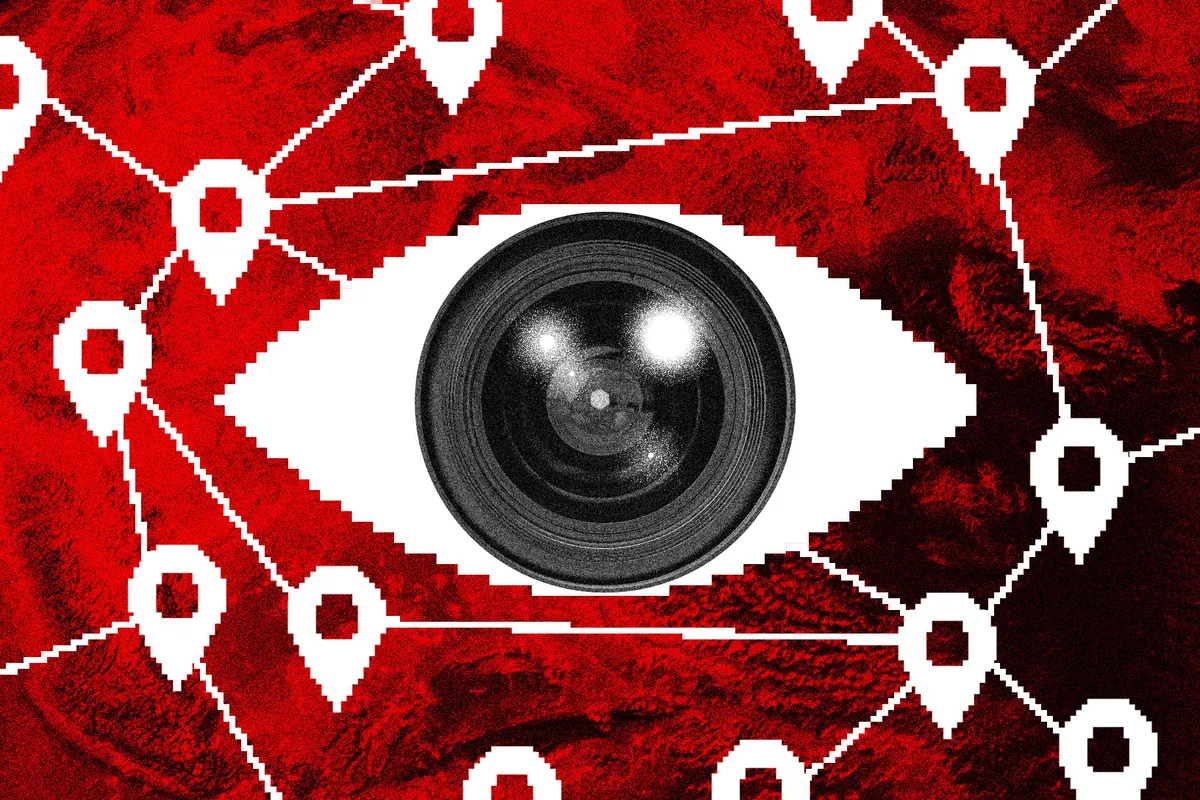
Geofence warrants work by demanding that a tech company hand over data on all devices within a defined geographic area during a specific window. That could mean dozens or even hundreds of people get swept into an investigation purely by proximity. No individual suspicion required. Just bad timing and a phone in your pocket.

Why this matters beyond one robbery
The bigger question here isn't really about one bank heist. It's about the Third-Party Doctrine - a legal principle that says information you voluntarily share with a company (like your location data shared with Google) doesn't carry the same Fourth Amendment protections as truly private information. In other words, by using an app or carrying a smartphone, you may have already signed away more privacy than you realize.

If the court rules in favor of the government's use of geofence warrants, it sets a precedent that could affect anyone who owns a cellphone and moves through the world with it. Your morning run, your doctor's appointment, your late-night convenience store trip - all of it potentially available to law enforcement with the right warrant and no specific suspicion pointed at you personally.
The flip side
It's worth acknowledging the law enforcement argument: tools like geofence warrants have helped solve serious crimes. The question isn't whether police should be able to investigate - it's whether the current framework gives them too wide a net, one that drags in innocent people alongside genuine suspects.
This is one of those cases where the outcome will likely affect far more people than those following it closely. Whatever the court decides, it will shape the answer to a question we're all quietly living with: how private is a phone that's always, quietly, telling someone where you are?