

You walked into the mattress store (or, more likely, fell down a 2am rabbit hole on a sleep tech website) looking for something that would finally fix your back, your snoring, or your general refusal to accept that sleep is just lying still for eight hours. You asked for a 'smart bed.' The salesperson nodded enthusiastically. You handed over a terrifying amount of money. And then you got home and realized you maybe didn't get what you actually wanted.
This is not an accident. According to a breakdown by Wired, the terms 'smart bed,' 'adjustable mattress,' and 'adjustable frame' are being used almost interchangeably by retailers - and they absolutely should not be.

So what's actually the difference?
Here's the quick-and-dirty cheat sheet your wallet wishes you had before walking into that showroom. An adjustable frame is the mechanical base - the thing that tilts your head up or raises your feet. It moves. The mattress sitting on top of it may or may not do anything special on its own.
An adjustable mattress, on the other hand, refers to the actual sleep surface having some kind of customizable quality - think firmness settings, air chambers, or comfort layers you can swap out. This is separate from whether the base moves.
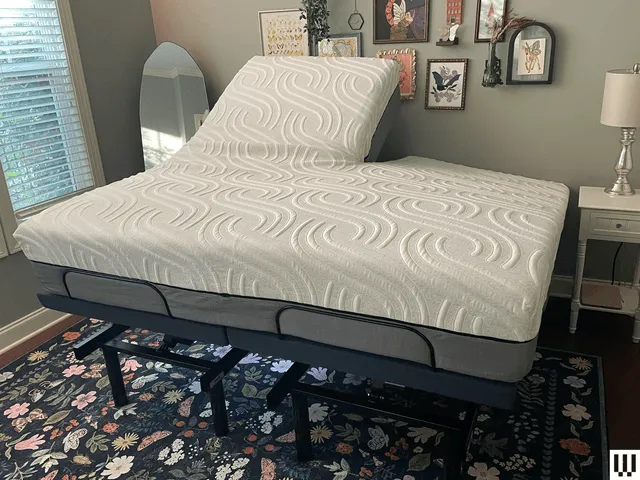
A 'smart bed' is the marketing umbrella term that gets slapped on basically anything with a USB port and an app these days. It could mean sleep tracking sensors, automatic position adjustment, temperature control, snore detection - or it could mean absolutely nothing beyond a Bluetooth connection that lets you change your mattress firmness from your phone, which, sure, is technically 'smart.'
Why this actually matters (a lot)
The price gaps between these categories are genuinely significant. An adjustable frame alone can run from a few hundred to several thousand dollars. Add a legitimately smart mattress with biometric tracking and dual-zone climate control and you're suddenly in 'small used car' territory. Getting these mixed up doesn't just mean mild disappointment - it means potentially buying an expensive moving base for a mattress that has no business being on one, or paying premium 'smart' prices for something that just tilts.
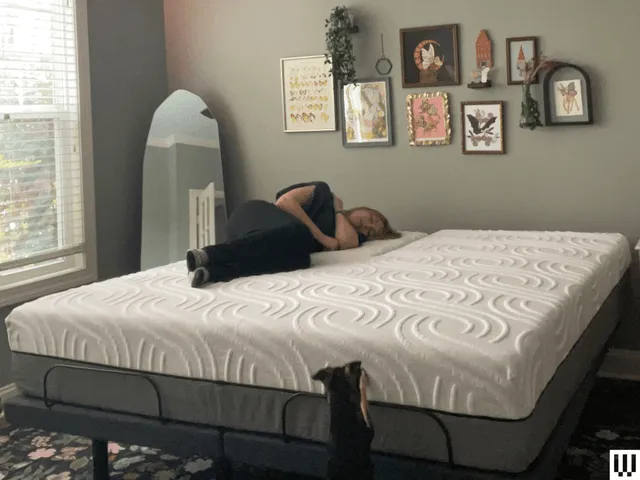
The Wired piece is a solid reminder that the sleep industry has gotten extremely good at making everything sound high-tech and interconnected when, in reality, you might be buying three completely separate products that need to be compatible with each other - and nobody in the store is rushing to clarify that.
Do your homework before you buy. Know which of the three things you actually need. And maybe sleep on it first - preferably on a mattress you already own and understand.