If you've spent any time doom-scrolling through tech news in the last few years, the names on the Pentagon's updated Chinese military company list will feel less like a bombshell and more like a very expensive bingo card.
According to TechCrunch, the Trump administration has officially named Alibaba, Baidu, BYD, and Unitree - yes, the robot dog people - as companies that support China's military. The list is back after a brief and completely unexplained disappearing act. The administration published an updated version four months ago and then, apparently deciding drama was more fun, yanked it without a single word of explanation. It's back now, and it means business.
So what does being on this list actually mean?
Being designated a "Chinese military company" by the Pentagon is not just a title for your LinkedIn profile. It comes with serious implications for doing business in the United States, limiting partnerships and investments with American firms. It's the kind of label that makes boardrooms sweat through their very expensive suits.
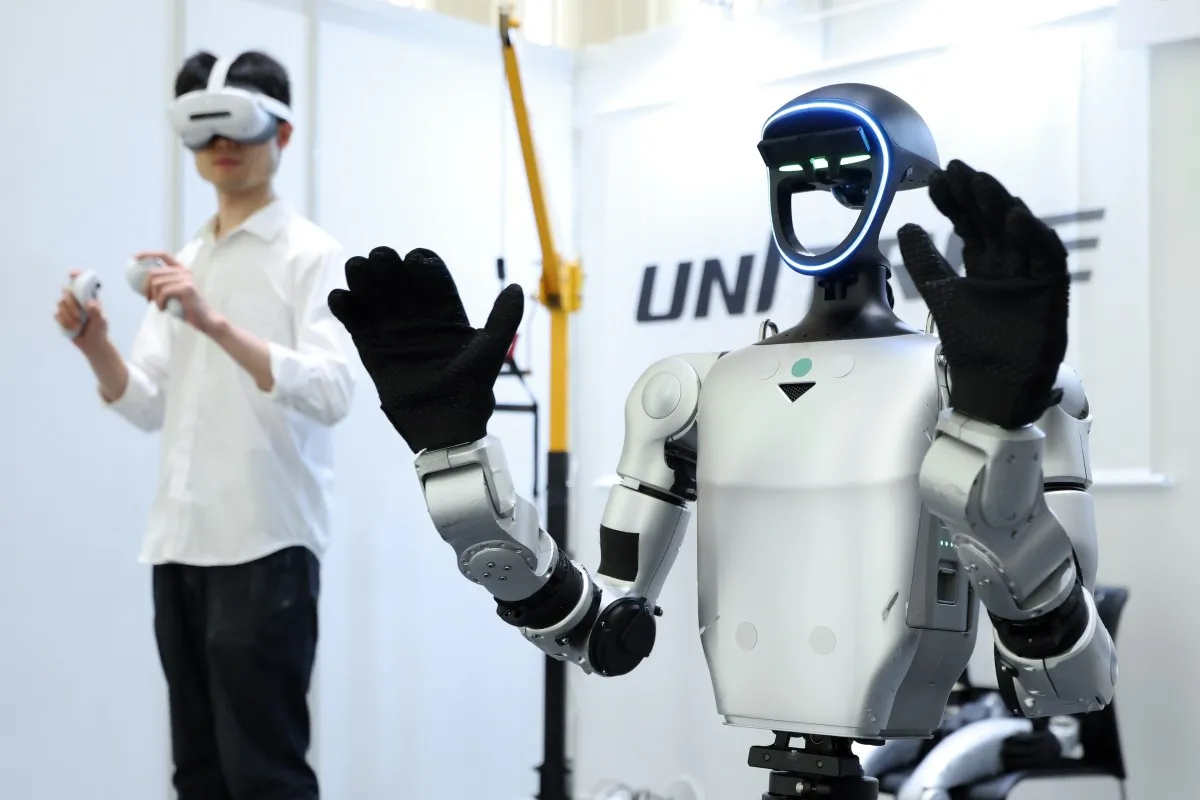
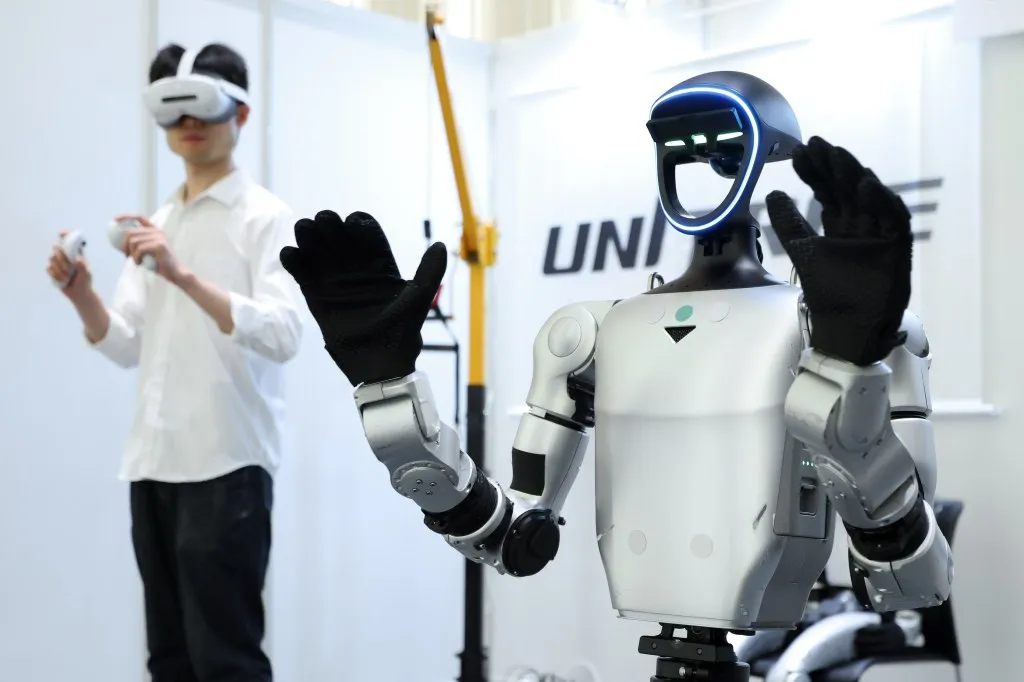
Baidu and Alibaba are basically the Google and Amazon of China - massive, deeply embedded in everyday digital life and, apparently, deeply interesting to the US Department of Defence. BYD, the electric vehicle giant that has been quietly terrifying Western automakers for years, rounds out the heavy hitters. And then there's Unitree, the company behind those slightly unsettling quadruped robots that have a habit of going viral every few months for doing something no robot should be able to do.
The list that couldn't stay still
What makes this whole situation extra spicy is the ghost story element. The Pentagon put the updated list out, the world noticed, and then it vanished - no statement, no press release, no strongly worded tweet. Four months later it reappears, presumably after someone in Washington decided ambiguity was not actually a geopolitical strategy.
It's worth noting that being on this list does not mean these companies are directly building missiles or designing fighter jets. The designation is broader than that, covering companies the Pentagon believes contribute to China's military-civil fusion strategy - basically Beijing's policy of making sure commercial and defence development go hand in hand.
Why this matters more than the headlines suggest
This is not just political noise. When the world's most recognisable Chinese tech and EV brands get officially flagged by the US military apparatus, it sends ripple effects through supply chains, investor portfolios, and diplomatic back-channels all at once. For anyone watching the slow-motion decoupling of US and Chinese tech ecosystems, this list is a very loud chapter marker.
Robot dogs included.