You know that friend who's generally fine but occasionally loses it completely and sets everything on fire? The Pacific Ocean is that friend right now, and scientists are nervously watching to see if it's about to have a full meltdown.
According to reporting from Inside Climate News, republished via Vox's Climate Desk, researchers are keeping a very close eye on what could become a so-called 'super El Niño' - a turbocharged version of the already chaotic climate pattern that regularly reshuffles weather across the entire planet.
Wait, what even is El Niño doing in a 'super' form?
El Niño is essentially the Pacific Ocean running hot. It's a natural climate cycle where warmer-than-usual surface temperatures in the central and eastern Pacific set off a chain reaction of weirdness - messed-up storm tracks, wrecked fisheries, droughts in places that need rain, floods where people really don't want them.
A 'super' version of this would be the Pacific cranking all of that up to eleven. Think of it as the standard climate chaos, but someone spilled an energy drink on the control panel.
Why it matters right now
The stakes here are genuinely alarming. The Pacific is described by scientists as a 'giant climate cauldron' - a heat engine with effects that ripple out thousands of miles in every direction. Half the world's rainfall patterns, storm systems, and fisheries are influenced by what happens in that one ocean basin.
A super El Niño event on top of already record-breaking global temperatures could push global averages into territory we have never measured before. Not 'oops, it was a warm July' territory. We're talking about the kind of numbers that make climate scientists stare at their spreadsheets and then quietly go make a cup of tea to collect themselves.
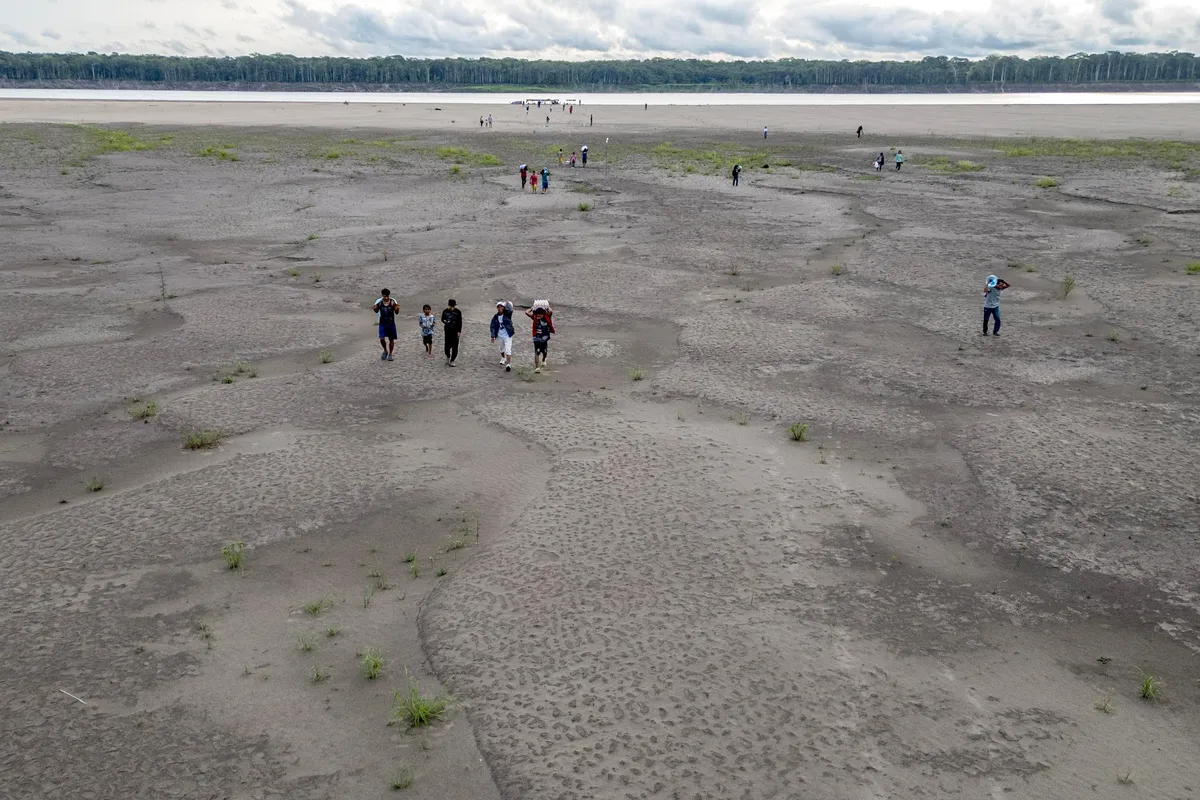
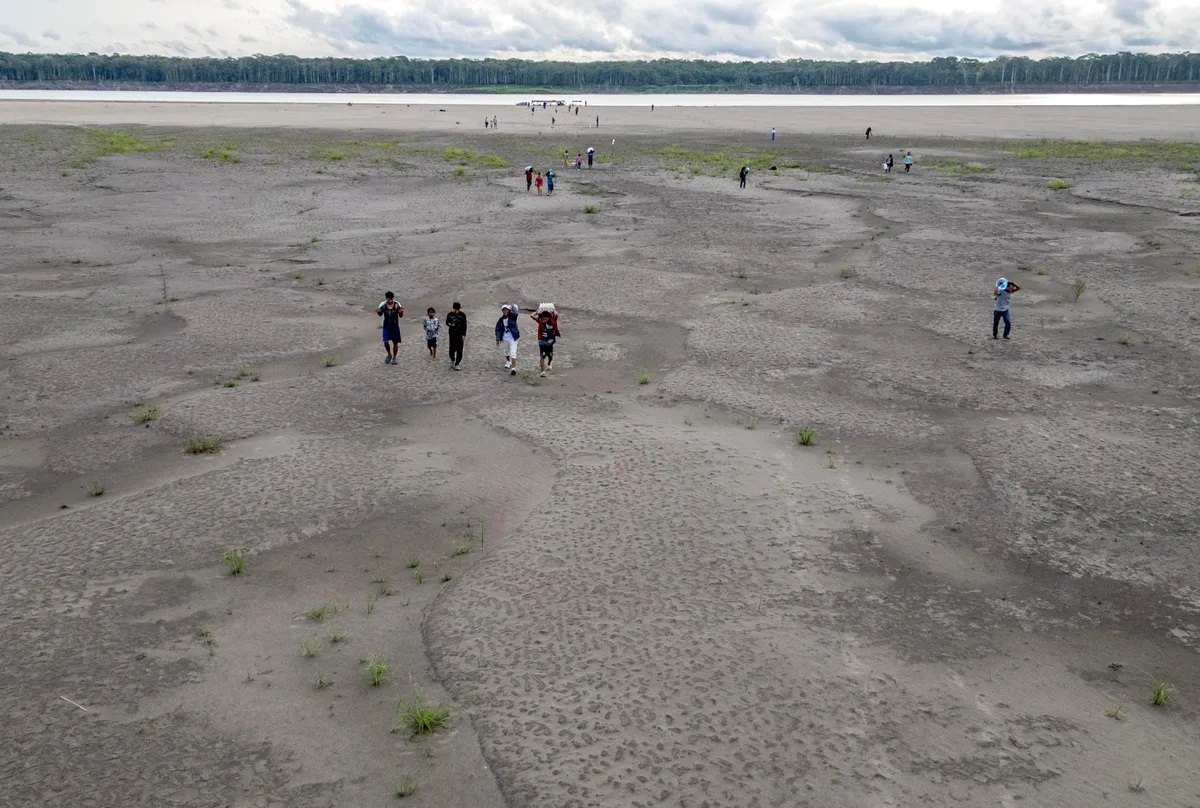
As a grim real-world preview of what climate disruption already looks like, the source article is illustrated with images of Yagua Indigenous people in Colombia hauling water by hand in October 2024 - because the Amazon River had dropped to critically low levels. That's not a future scenario. That already happened.
So should we panic?
The honest answer is: not exactly panic, but definitely pay attention. Scientists aren't predicting doom with certainty - they're watching, modeling, and waiting. The cauldron hasn't boiled over yet.
But the fact that the world's top climate researchers are collectively leaning forward in their chairs right now, eyes fixed on the Pacific, is itself a signal worth taking seriously. The ocean is cooking, the baseline is already hot, and a super El Niño would be one very bad thing arriving at an exceptionally bad time.
No pressure, Pacific. Just the future of global weather patterns riding on your mood.