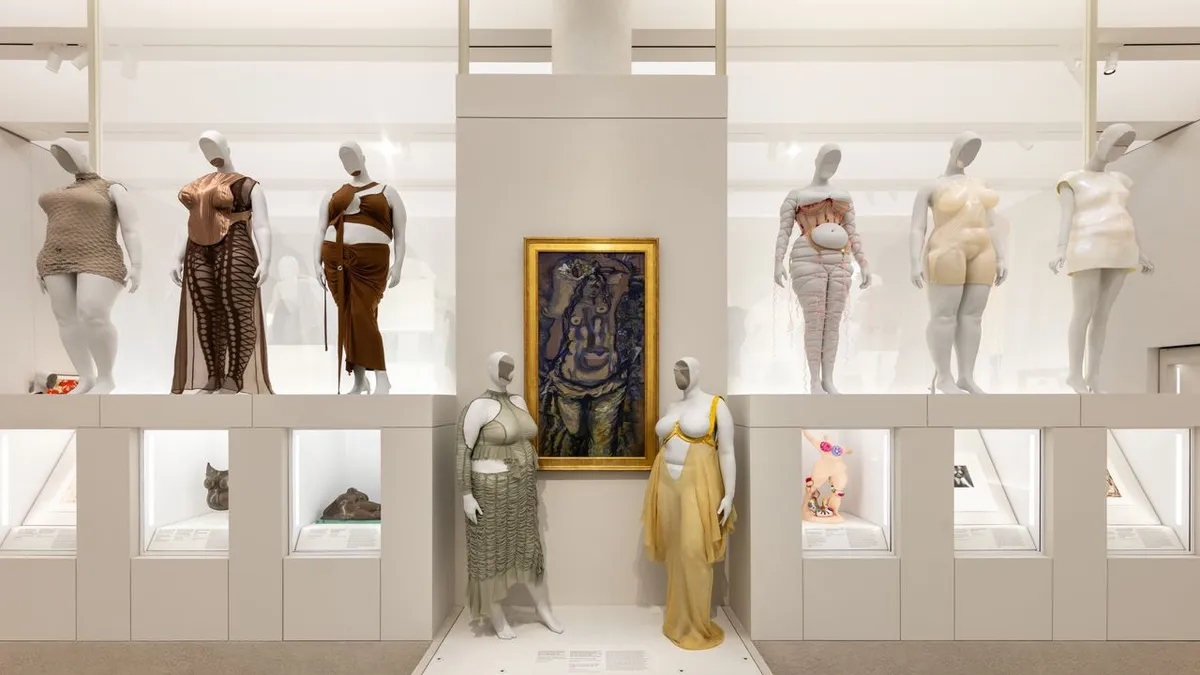
Fashion has always had opinions about your body. Strong ones. Loud ones. Occasionally painful ones involving whale bone and very tight lacing. And now The Met's Costume Institute is laying all of that out in one gloriously uncomfortable exhibit called 'Costume Art' - a deep dive into how clothing and the human form have been in a complicated situationship for, oh, several hundred years.
As reported by Vanity Fair, the exhibit traces how fashion has literally reshaped bodies across centuries - from molded torsos that treated the chest like an architectural project, to corseted silhouettes that essentially asked women to become human hourglasses. It's a lot. It's fascinating. And it hits differently in 2025.
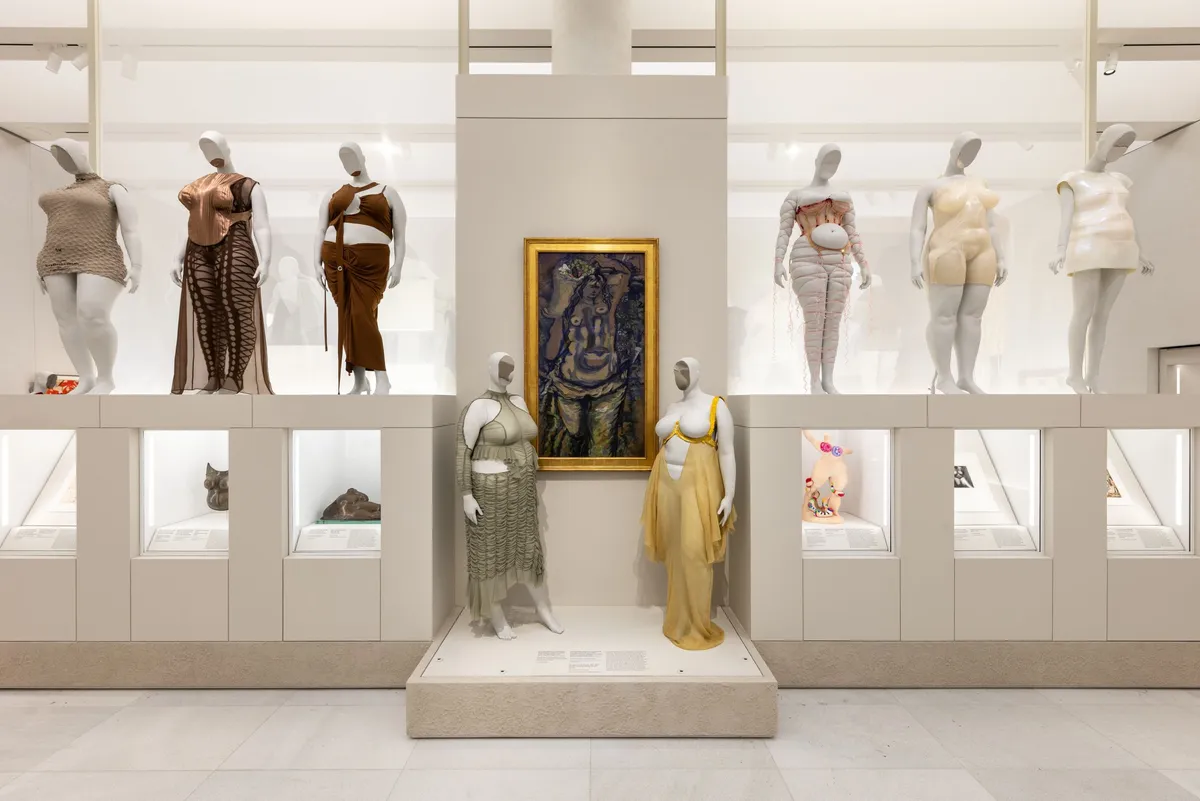
The body as a canvas (or a construction site)
What makes 'Costume Art' more than just a pretty parade of old clothes is the question it quietly refuses to stop asking: who decided what bodies were supposed to look like, anyway? Each garment on display is essentially a document of cultural anxiety - proof that every era has had its own obsessive idea of the 'correct' body shape, and then built an entire industry around achieving it.
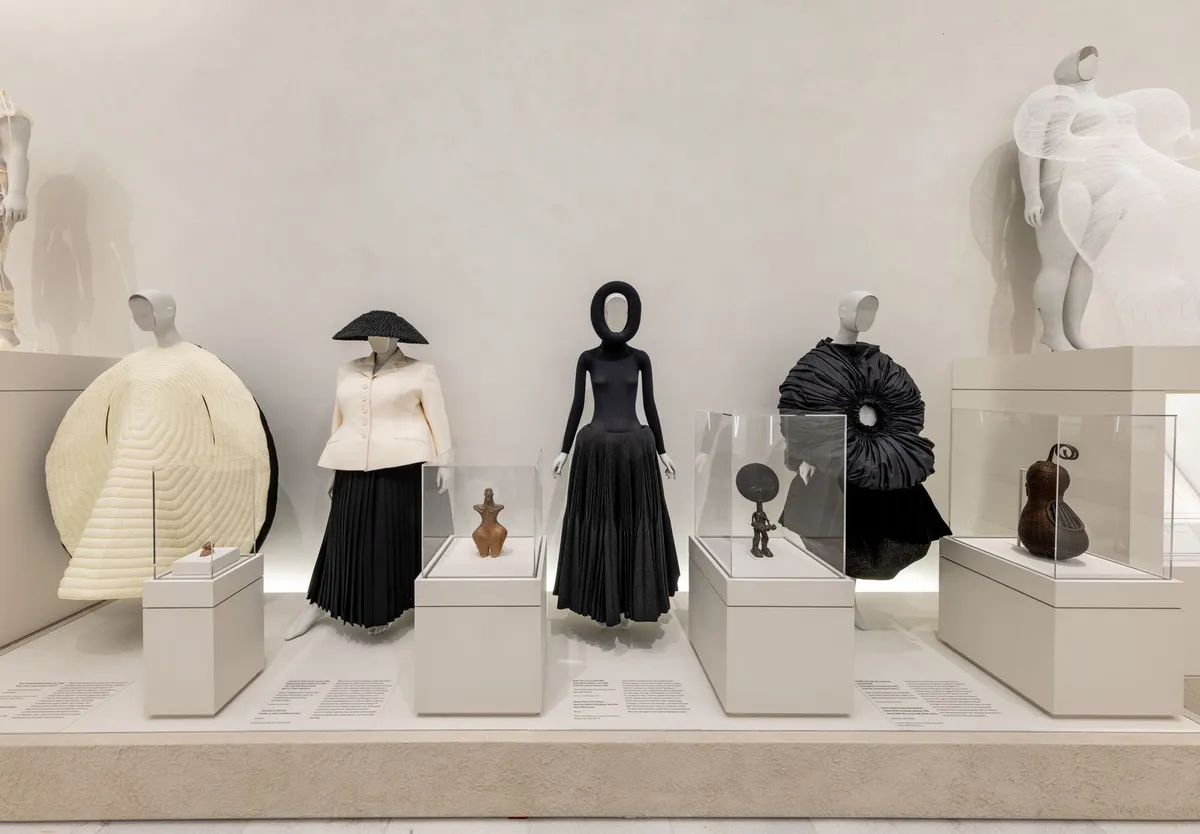
Molded torsos from earlier centuries don't just look like armor - they basically were armor, forcing the wearer's silhouette into a socially acceptable shape before they even walked out the door. The corset era did the same thing with more lace and slightly more breathability (very slightly). The point is: the pressure to conform physically is not a modern invention. Your Instagram explore page did not invent body ideals. Congratulations, we've been at this forever.
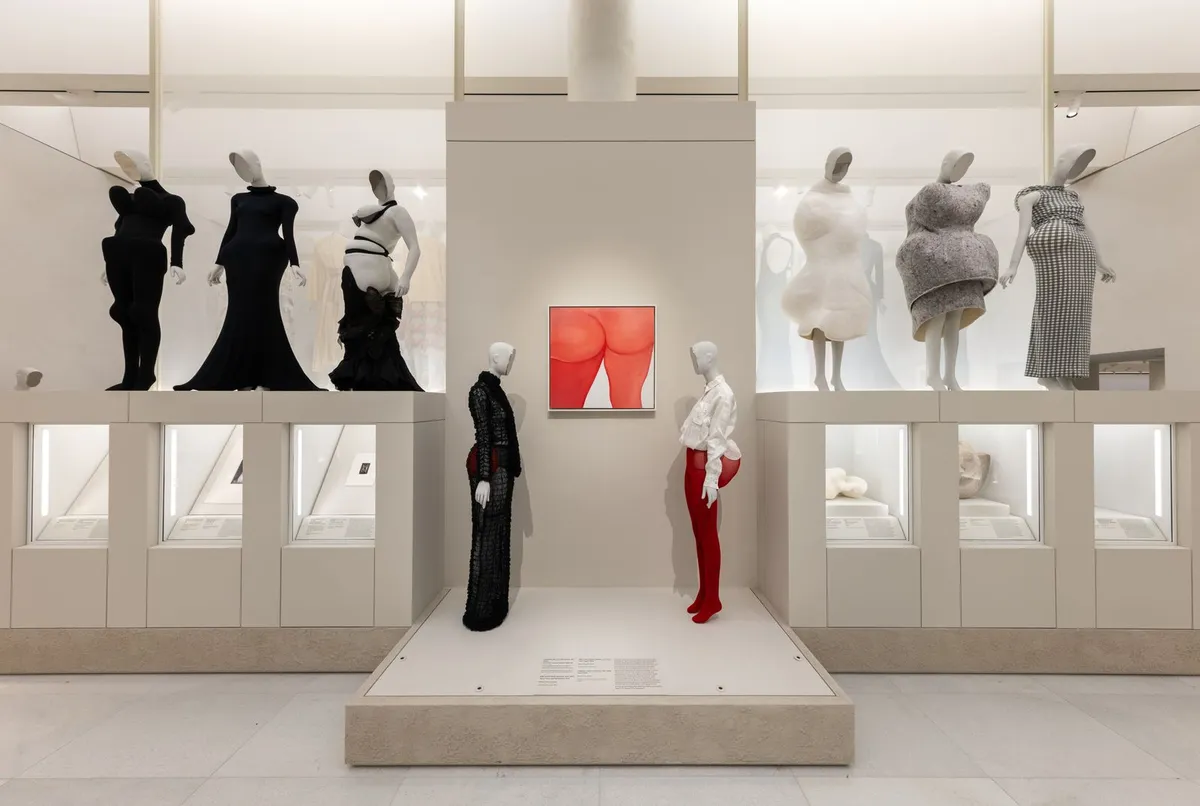
Why this matters right now
We live in an age of body positivity campaigns, Ozempic discourse, and AI-generated 'ideal' body trends cycling through TikTok every six weeks. Placing that reality next to centuries of structured bodices and padded hips makes for a surprisingly sharp cultural mirror. The shapes change. The pressure doesn't.
The Met, to its credit, isn't just offering a history lesson in pretty packaging. 'Costume Art' seems genuinely interested in the tension between clothing as self-expression and clothing as social control - which is, frankly, one of the most relevant conversations we could be having right now.
Whether you walk away inspired, mildly outraged, or just deeply grateful that you don't have to wear a corset to brunch, the exhibit is doing exactly what great fashion curation should do: making you think about what you put on your body, and why.