In news that will shock absolutely nobody who has ever tried on something that looked incredible on a hanger and then completely insane on their actual torso: bodies matter. And the Met Costume Institute is apparently ready to make that official.
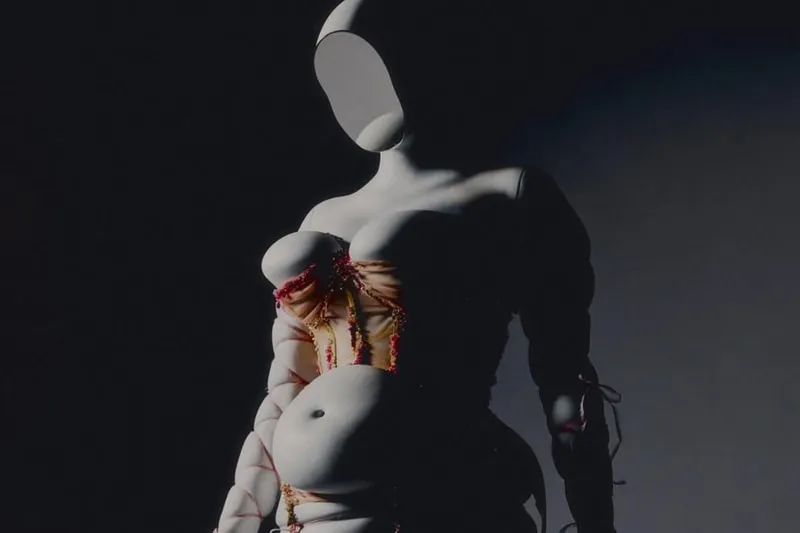
According to Hypebeast, the 2026 Costume Institute exhibition - timed to this year's Met Gala theme of "Fashion is Art" - is doing something quietly radical. Curator Andrew Bolton has introduced nine new mannequins designed to reflect real human bodies, placing them front and center among the show's signature pairings of historical garments and fine artworks.
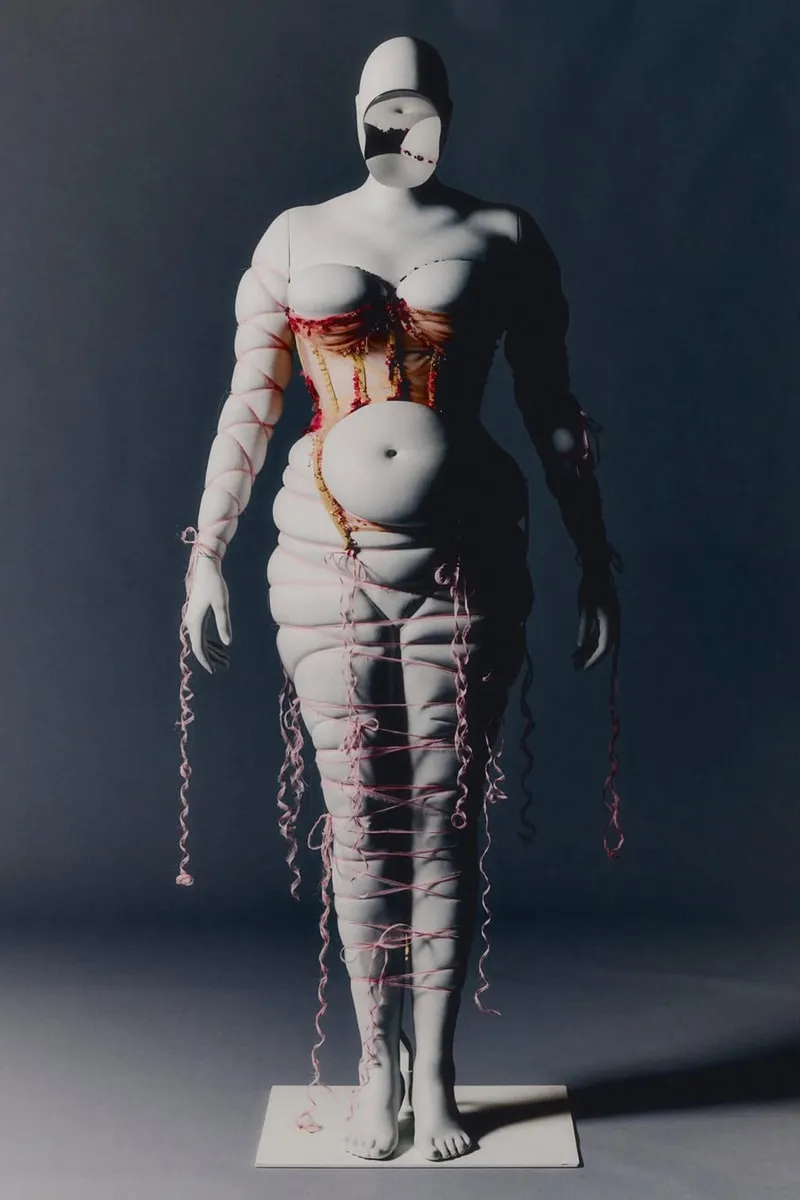
Wait, this is actually a big deal
Before you roll your eyes at another fashion institution patting itself on the back for basic human acknowledgment, here's why this actually matters. The Costume Institute has spent decades presenting clothes on idealized, abstracted forms - the kind of smooth, featureless mannequins that make a 1740s court gown look like it exists in zero gravity, worn by nobody, belonging to no time. Beautiful, sure. But also weirdly disconnected from the entire point of clothing, which is, you know, covering a person.
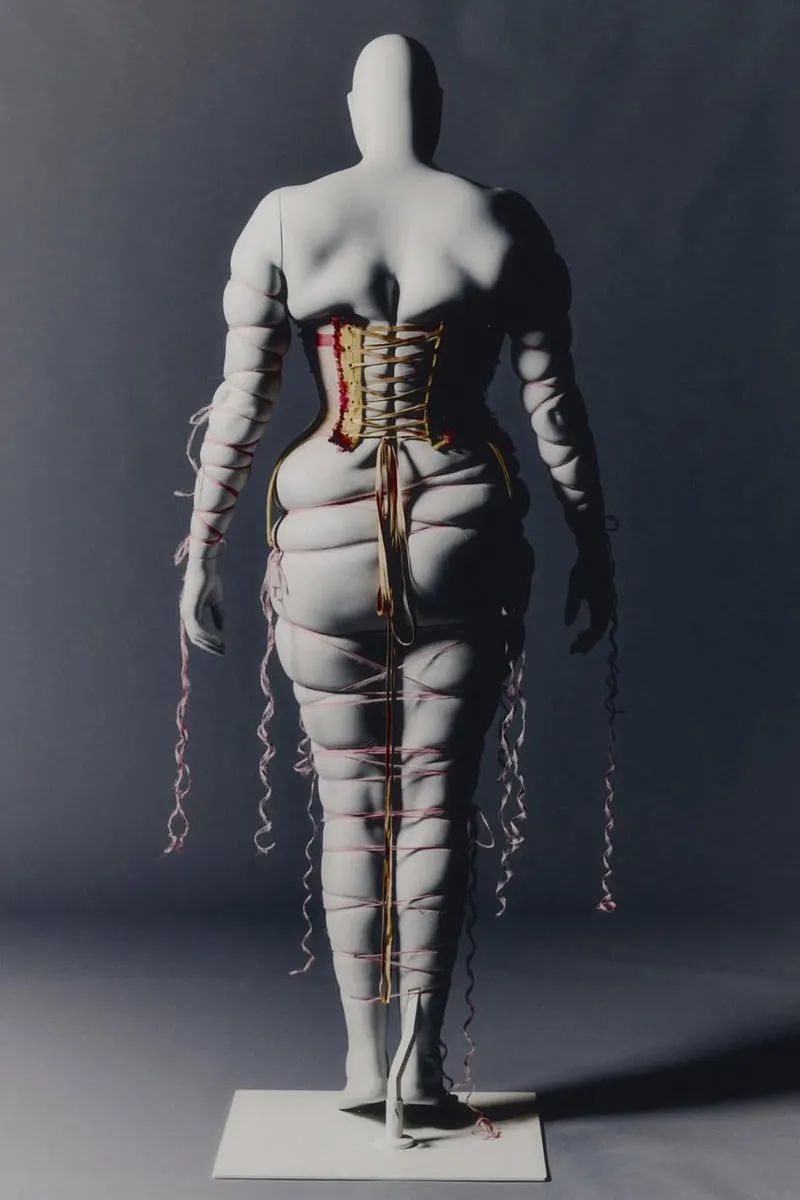
Bolton's curatorial argument for this exhibition is that fashion and fine art share a common foundation: the act of dressing a body. Not an idea of a body. An actual one. By collapsing the hierarchy between the two disciplines, the show is essentially arguing that a couture gown and a Renaissance portrait are doing the same fundamental thing - negotiating the relationship between a human form and how it presents itself to the world.
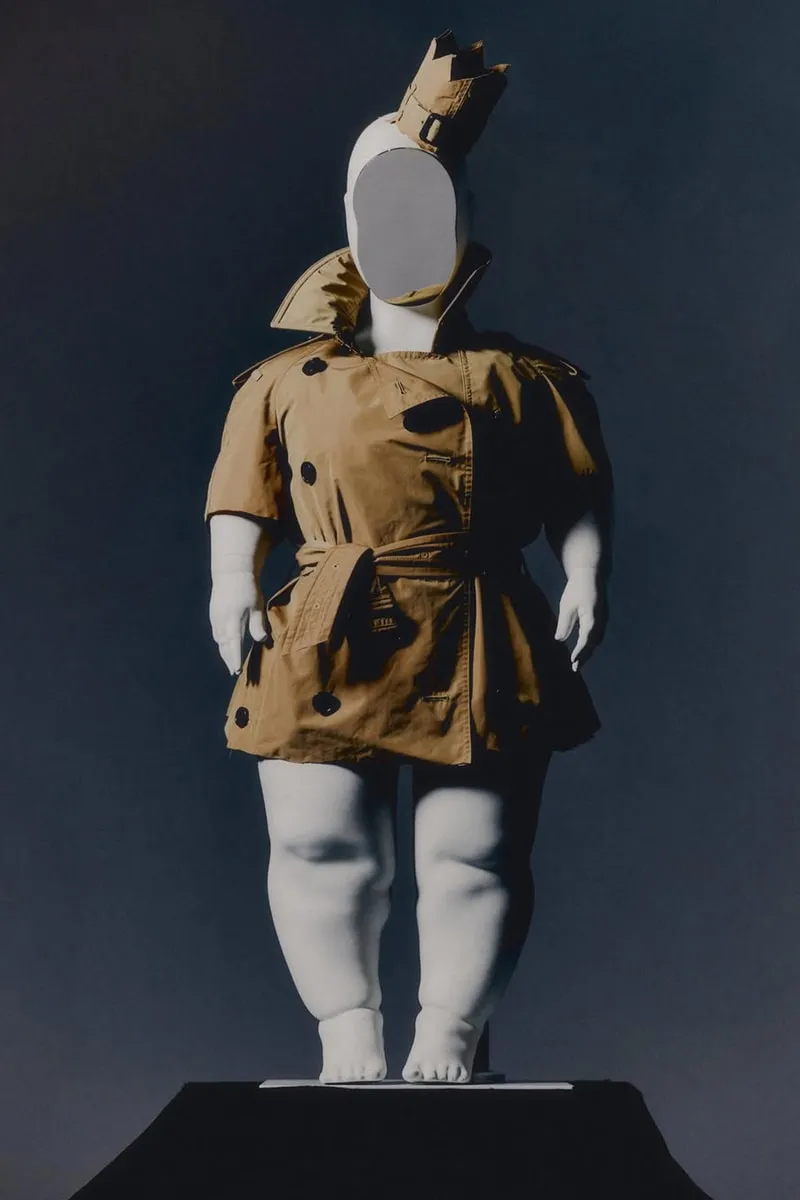
Fashion is art, but art has always had bodies in it
The timing is pointed. The "Fashion is Art" theme could have gone a thousand predictable directions - lots of gilded frames and painter's palette motifs on red carpet looks, probably. Instead, the exhibition is asking a more interesting question: if fashion is art, shouldn't it be grounded in the same physical reality that painting, sculpture, and photography have never been able to escape?
Real bodies age. They slouch. They have hips that don't quit and shoulders that don't quite match the pattern. Dressing them is genuinely complex, genuinely skilled, and genuinely human. The Met is, apparently, finally ready to say so out loud.
It's a small institutional shift that lands like a much larger statement. And honestly, in a year where the fashion world is having a very loud conversation about who clothes are actually made for, it's the kind of move that earns its flowers.