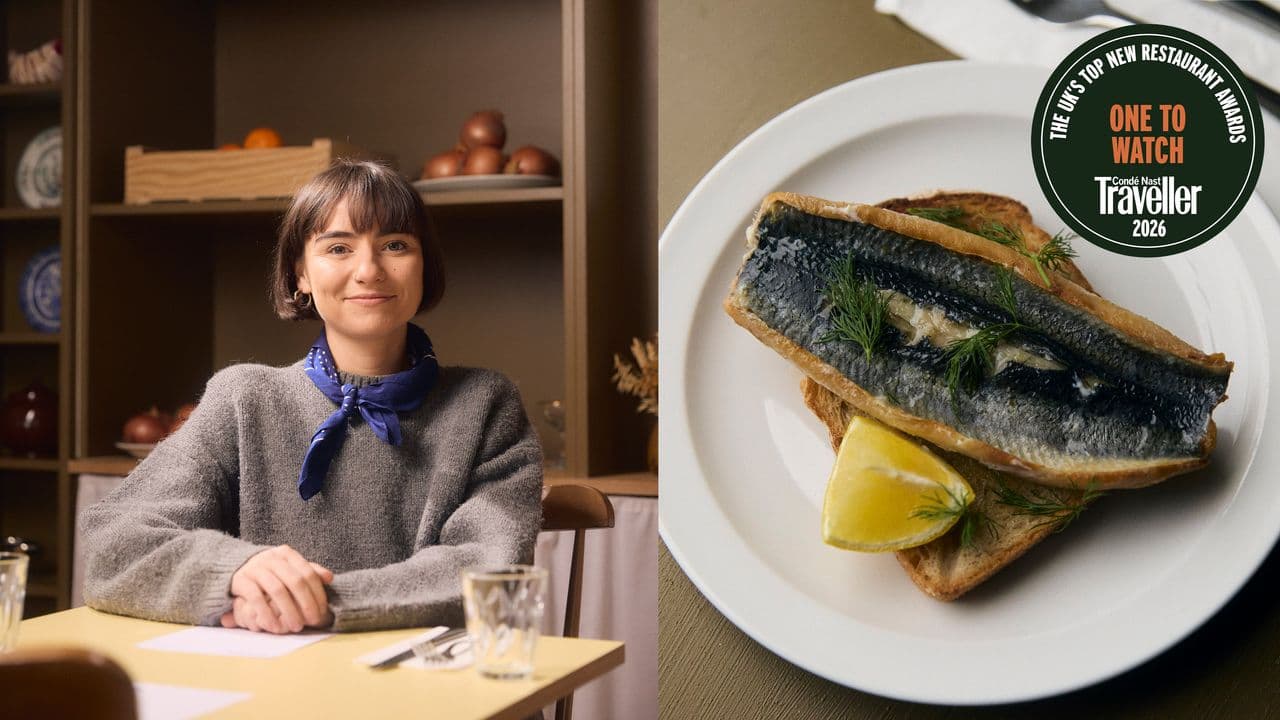
There's a persistent myth in the restaurant world that excellence requires suffering - that the best kitchens are the hardest ones, and that pressure, hierarchy, and burnout are just part of the deal. Claire Hanrahan, the Irish chef behind Edinburgh's Norah, is quietly dismantling that idea one service at a time.
According to a profile in Condé Nast Traveler, Hanrahan has built a hospitality culture at Norah that puts staff wellbeing at the center of how the business operates - and the food and the experience are no worse for it. Quite the opposite.
A different kind of kitchen
The idea that you can run a successful restaurant without making people miserable might sound obvious when you say it out loud. But in an industry defined by notoriously long hours, toxic hierarchies, and sky-high turnover rates, actually doing it is something else entirely. Hanrahan appears to be doing it.
This matters beyond the walls of Norah. The hospitality industry has faced a serious reckoning in recent years - staff shortages, post-pandemic exits, and growing conversation about mental health and working conditions have forced restaurants everywhere to ask harder questions about how they operate. Chefs and owners who find workable answers aren't just running better businesses. They're potentially reshaping what a career in hospitality can look like.
Why Edinburgh, and why now
Edinburgh's food scene has been having a genuine moment. The city has been shedding its reputation as a place you visit for the history and endure for the food, with a wave of chefs bringing real ambition and personality to the table. Hanrahan - bringing an Irish sensibility and a clear philosophy about how restaurants should work - fits neatly into that story while also adding something new to it.
Norah isn't just notable for what's on the plate. It's notable for how it was built and who it was built for, including the people working there every night.
The bigger picture
What's refreshing about Hanrahan's approach, as reported by Condé Nast Traveler, is that it isn't framed as charity or idealism. It's framed as sense. Good working conditions attract and keep good people. Good people create good experiences. Good experiences build the kind of reputation that sustains a restaurant long-term. The logic isn't complicated - it just requires someone willing to prioritize it.
In a sector that has long treated staff welfare as a luxury it can't afford, that reframing feels genuinely important. And the fact that it's happening in a restaurant people are actually excited to visit makes it all the more worth paying attention to.