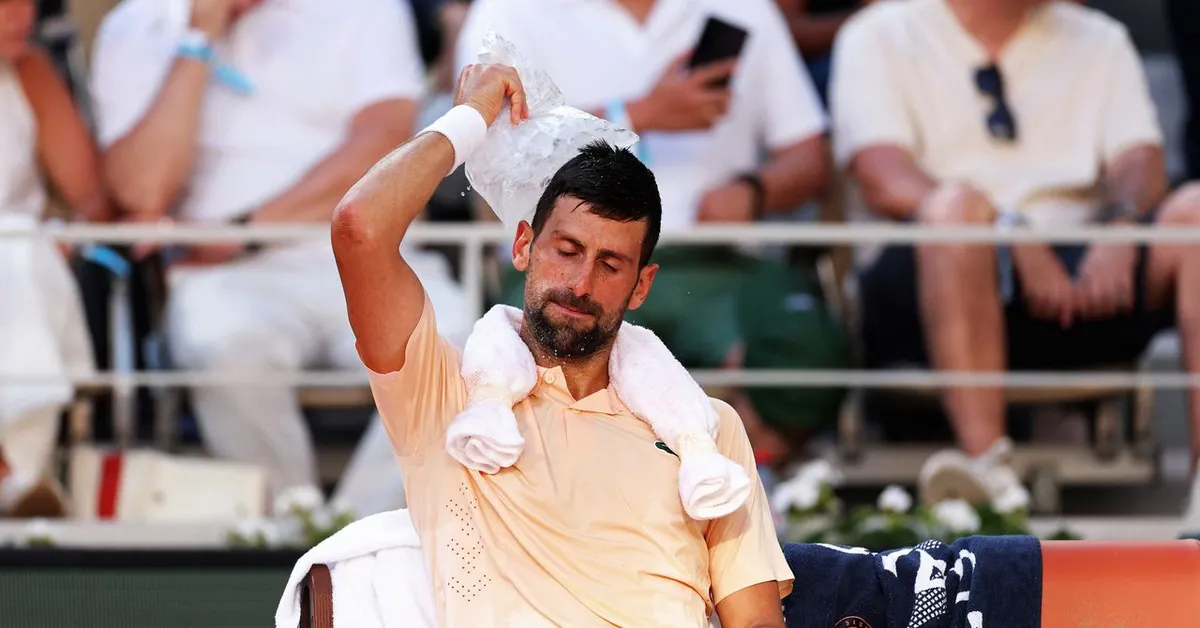
Paris is supposed to be the city of romance, croissants, and watching elite athletes grunt at each other across a clay court. What it is decidedly not supposed to be is a functioning outdoor oven. And yet, here we are.
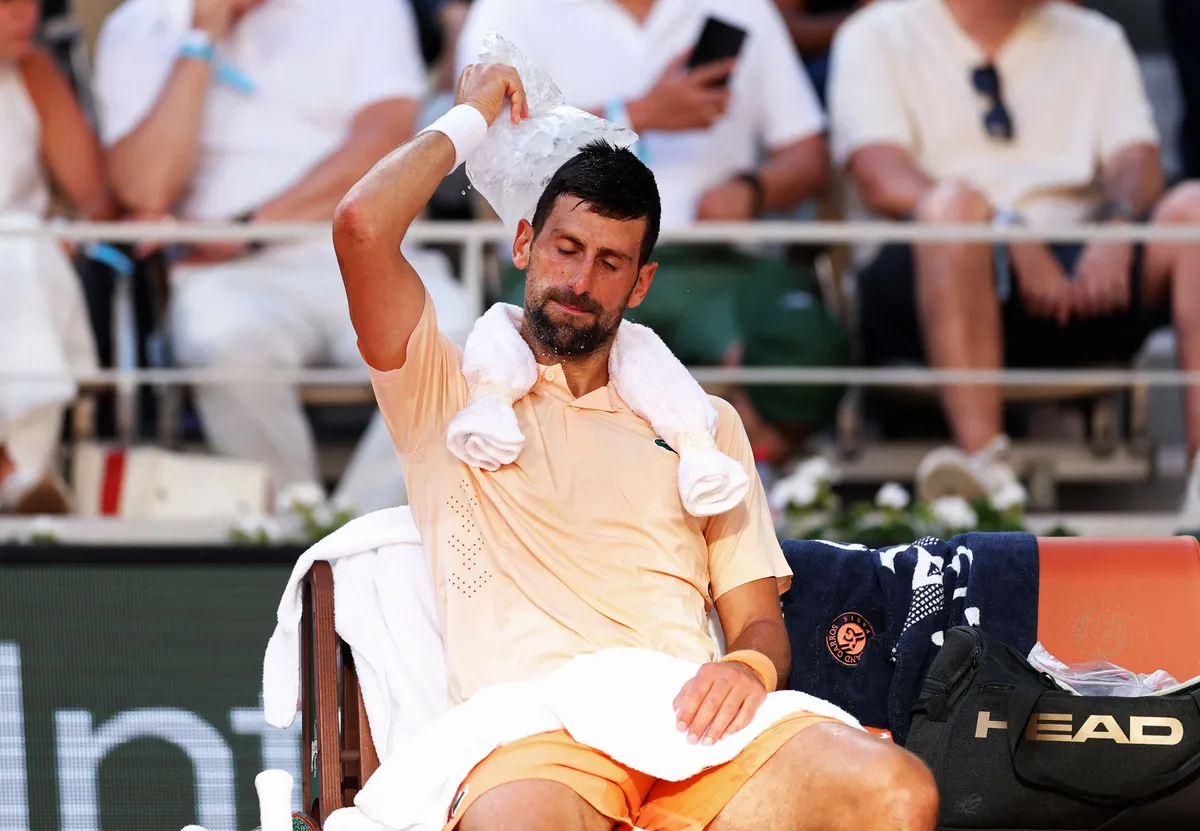
According to reporting by Wired, the 2026 French Open has had to contend with a serious heat wave problem - one that goes well beyond 'bring a water bottle' territory. And the way scientists are measuring that problem has a name so ominous it sounds like a Bond villain's weapon of choice: the wet bulb globe temperature.
What on earth is a wet bulb globe temperature?
The wet bulb globe temperature (WBGT, for those who like their apocalyptic acronyms clean) is not your regular thermometer reading. It factors in temperature, humidity, wind speed, and solar radiation all at once. It's basically the 'feels like' temperature's more rigorous, PhD-holding sibling. When WBGT hits certain thresholds, it stops being an advisory and starts being a medical argument for why no human being should be sprinting around in direct sunlight.
Professional tennis, which already asks players to run a marathon's worth of steps across multiple hours in full outdoor conditions, suddenly looks a lot less glamorous when you frame it that way.

So how are the players actually coping?
The French Open organization has been navigating this carefully, with heat protocols in play to protect athletes from conditions that even a top-tier professional body wasn't really designed to handle. Players at Roland Garros have been dealing with scheduling adjustments, recovery periods, and the general indignity of melting in front of thousands of people and several television cameras.
It is, to put it mildly, a lot.
Why this matters beyond tennis
Here's the thing - the French Open heat problem isn't really a French Open problem. It's a preview. Major outdoor sporting events worldwide are quietly grappling with the reality that the climate conditions they were designed around are shifting, and that the WBGT is going to become a much more familiar concept in sports broadcasting, workplace safety guidelines, and everyday weather apps sooner than most people expect.
The wet bulb globe temperature is already used by military and industrial safety bodies to decide when outdoor work is genuinely dangerous. The fact that we're now applying it to professional sports - in Europe, in June - is the kind of detail that should probably get more airtime than a third-set tie-break.
But hey, at least now you have a genuinely impressive thing to say at your next dinner party. Just casually drop 'wet bulb globe temperature' into conversation and watch the room reorganize itself around you.