Right now, if you fly a drone, there is one golden rule burned into every pilot's brain: never let it out of your sight. This is called visual line of sight, or VLOS, and it is basically the aviation equivalent of being told you can have a puppy but it must stay in the backyard forever.
The Federal Aviation Administration is about to change that, and according to a report from Fast Company, the commercial drone industry is practically salivating.
Why this tiny rule change is actually enormous
The visual line of sight requirement sounds reasonable until you realize what it actually means in practice. You cannot fly a drone over the horizon. You cannot send one on a long delivery route. You cannot inspect a pipeline that stretches for miles without having a human drive alongside it staring into the sky like a confused tourist.
Beyond visual line of sight - BVLOS if you want to sound impressive at parties - blows all of that open. Suddenly drones can fly real routes, cover real distances, and do real work without a human babysitter jogging after them.
The uses are genuinely wild
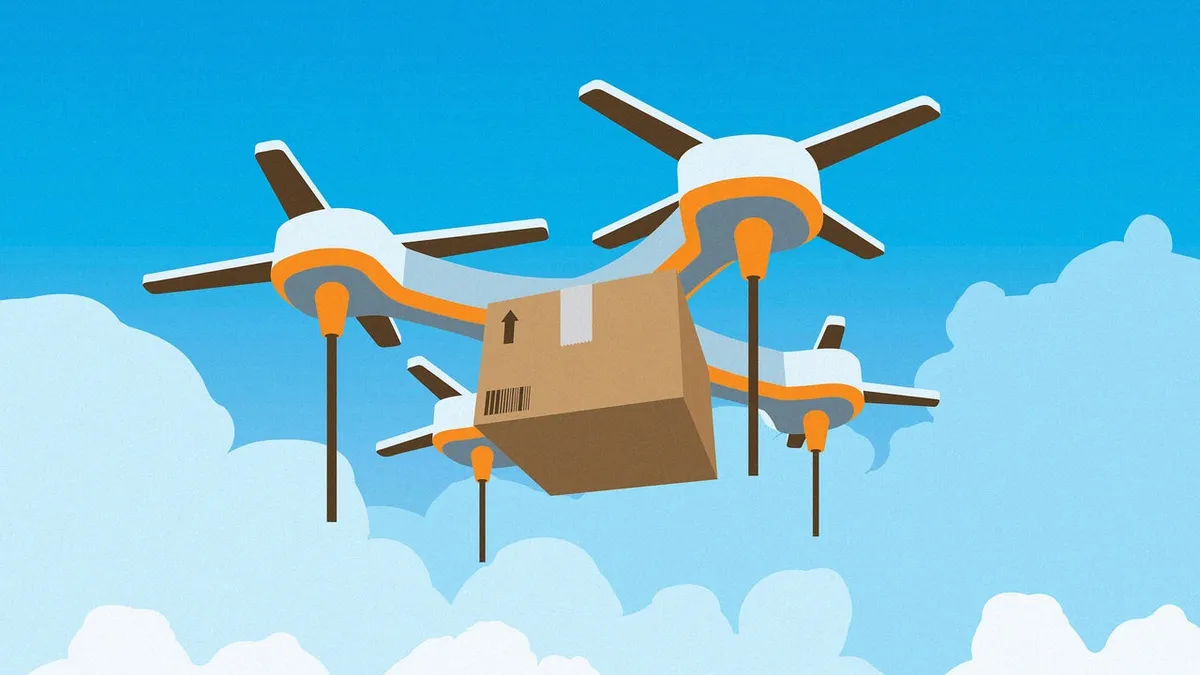
Think infrastructure inspection, medical supply delivery to remote areas, agricultural monitoring across massive fields, and yes, eventually that much-mocked drone delivery future that companies have been promising for a decade. When you remove the range restriction, the list of viable applications goes from short to basically endless.
Commercial operators have been chomping at the bit for this for years. The current VLOS rules have kept drone operations small, localized, and frustratingly manual. BVLOS approval exists today but it requires special waivers that are slow, expensive, and not exactly handed out like Halloween candy.
So when does this actually happen?
The rules are not finalized yet, so do not go launching your drone toward the horizon just yet. But the FAA is moving in this direction, and the industry knows it. When the framework lands, expect a gold rush. Companies that have been quietly building drone logistics infrastructure will flip the switch fast.
The skies are about to get a lot more crowded, a lot more useful, and probably a lot more annoying to look at. Progress, baby.