The most sustainable piece of clothing you own probably isn't made from recycled ocean plastic or certified organic cotton. It's more likely that ancient little black dress you've been reaching for since your mid-20s, or the pair of Levi's 501s so broken in they feel like a second skin. The sustainability story no one tells is really just about love - loving something enough to never throw it away.
That's the uncomfortable truth at the heart of fashion's green ambitions. Recycled materials and ethical supply chains matter, but none of it adds up to much if the garment ends up in a landfill two years later. The harder problem - the one designers rarely tackle directly - is longevity by design. How do you intentionally create something a person will want to wear for decades?
A two-year search for the right answer
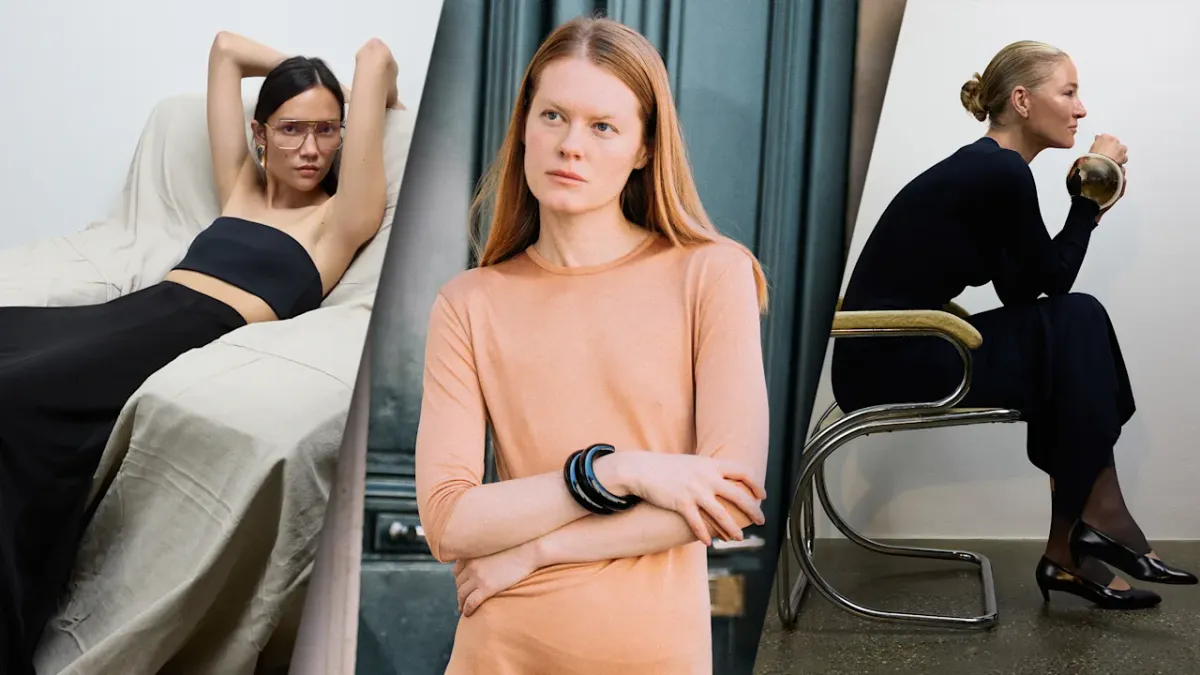
Designer Sarah Bonello has been sitting with that question, and taking it seriously enough to spend two full years searching for the right fabric before launching her work. According to reporting by Fast Company, Bonello's process centred on finding a material that could anchor a garment meant to last - not just structurally, but emotionally. Because a piece of clothing doesn't survive 15 years in your wardrobe through durability alone. It survives because you keep choosing it.
That distinction matters more than it sounds. The fashion industry has spent years chasing sustainability credentials through materials and manufacturing processes, which is genuinely important work. But it hasn't cracked the deeper puzzle of desirability over time - what makes something feel just as right on a Tuesday in 2035 as it did the day you bought it.
Why this approach feels different
Bonello's two-year fabric search signals a slower, more considered design philosophy - one that treats the sourcing process as central rather than incidental. It's the opposite of fast fashion's move-quick logic, and honestly, it's the kind of obsessive attention to materials that used to define how quality clothing was made before speed became the whole game.
There's something quietly radical about a designer asking not just "will people buy this?" but "will people still want this in 2040?" It reframes the entire creative brief. Trend relevance, seasonal novelty, the constant churn of newness - none of that applies when you're designing for the long haul.
For anyone trying to build a wardrobe that's genuinely more sustainable - not just better marketed - this is the kind of thinking worth paying attention to. The pieces that earn permanent status in your closet are rarely the ones with the best eco-credentials on the label. They're the ones someone made with real intention. Sometimes that takes two years just to get the fabric right.