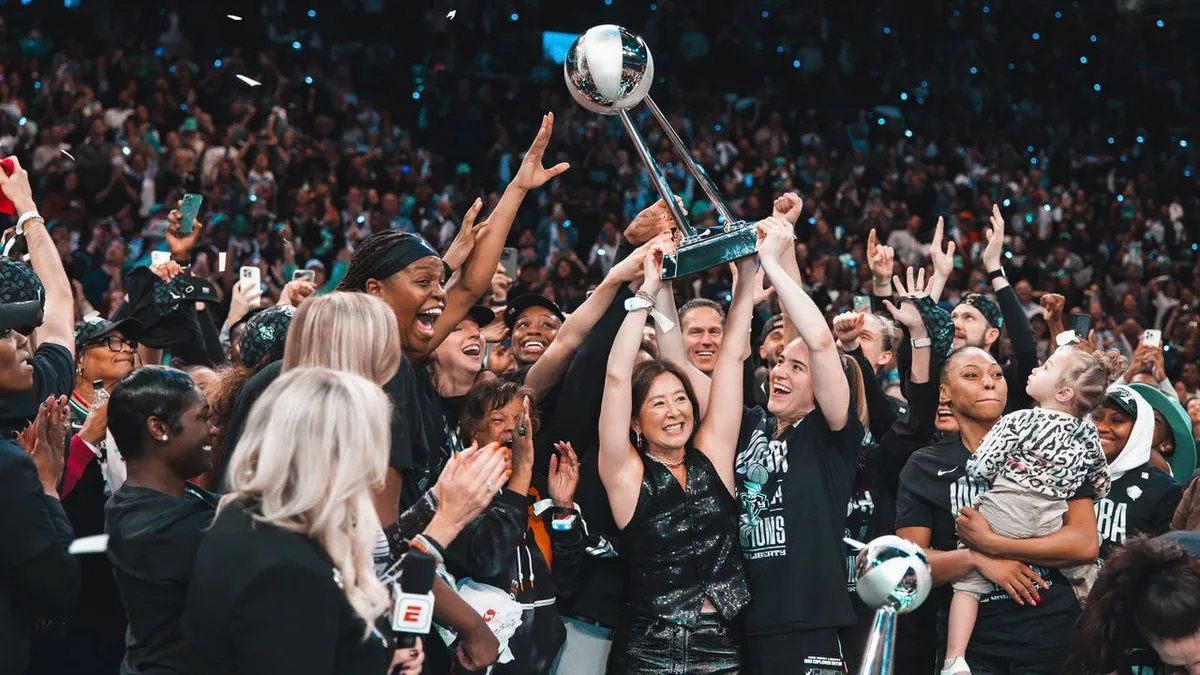
If you've been sleeping on the WNBA, congratulations - you've officially been wrong for years. The league just locked in a landmark collective bargaining agreement after 17 months of negotiations that could generously be described as "heated," and the women's game is entering a chapter that frankly feels overdue by about two decades.
At the center of this moment is Clara Wu Tsai, billionaire owner of the New York Liberty, who sat down with Vanity Fair's Yohana Desta to talk about what comes next. And if Wu Tsai's track record is anything to go by, "what comes next" is going to be very, very interesting.
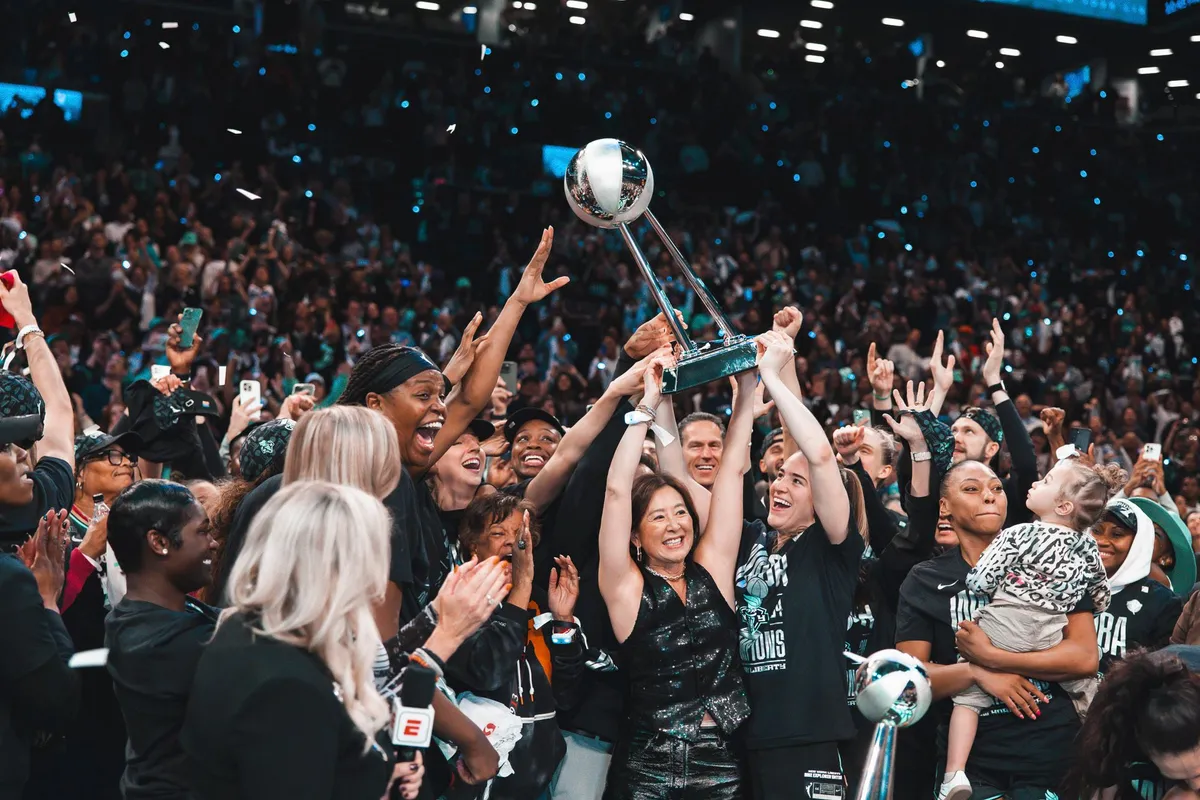
Being early is only embarrassing until you're right
Wu Tsai has been putting serious money and energy into the Liberty at a time when most people treated women's professional basketball like a fun hobby rather than a legitimate business. That framing is changing fast - and the new CBA is a huge part of why.
The deal addresses what the piece frames as "decades of inequity," which is a polite way of saying that the players who built this league have historically been compensated in ways that make the average person's jaw drop for all the wrong reasons. The agreement changes the calculus significantly, and combined with a wave of incoming expansion teams, the WNBA is starting to look less like a passion project and more like what it actually is - a professional sports league with a massive untapped audience.
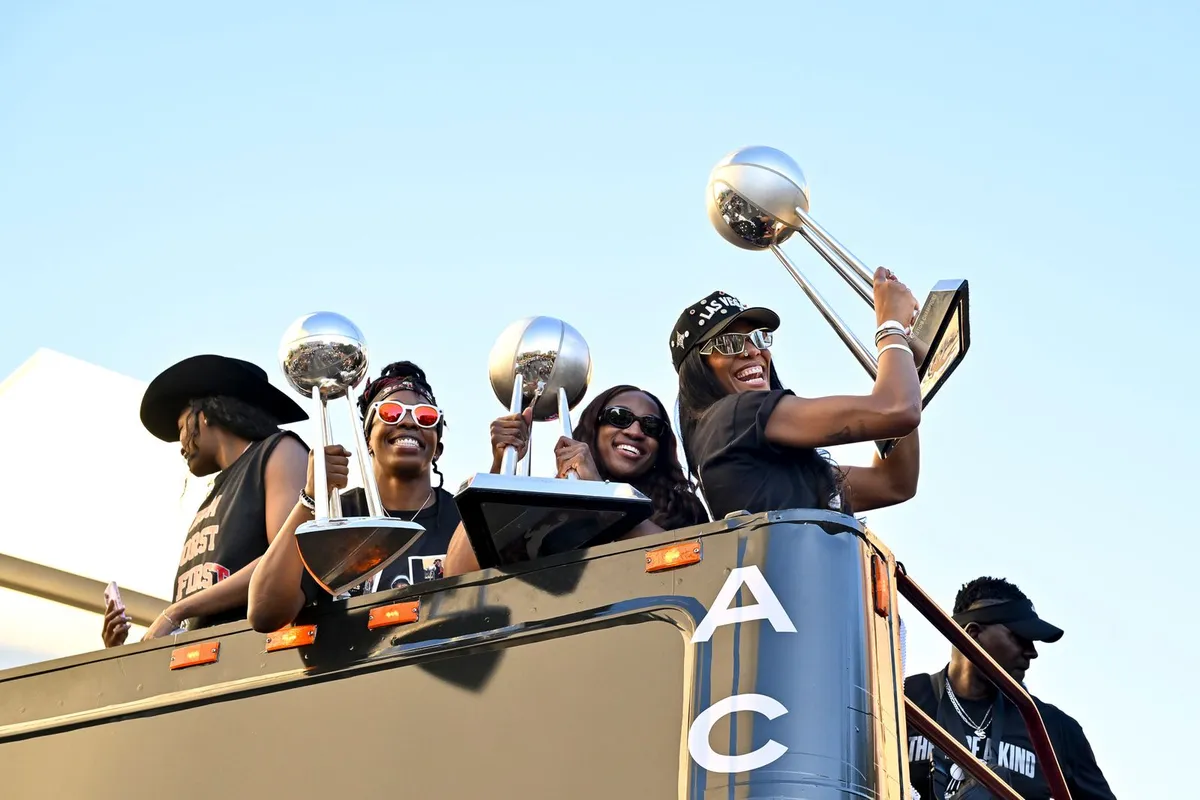
Expansion changes everything
The expansion piece is arguably the most transformative development here. New markets mean new fanbases, new rivalries, and - crucially - new conversations about what women's sports can command commercially. The league isn't just growing, it's structurally repositioning itself for a different kind of future.
Wu Tsai's bet on the Liberty suddenly looks less like philanthropy and more like savvy investing. Which, if you've been paying any attention to WNBA attendance figures and the sheer cultural footprint of players like Breanna Stewart and Sabrina Ionescu, should not be a surprise to anyone.
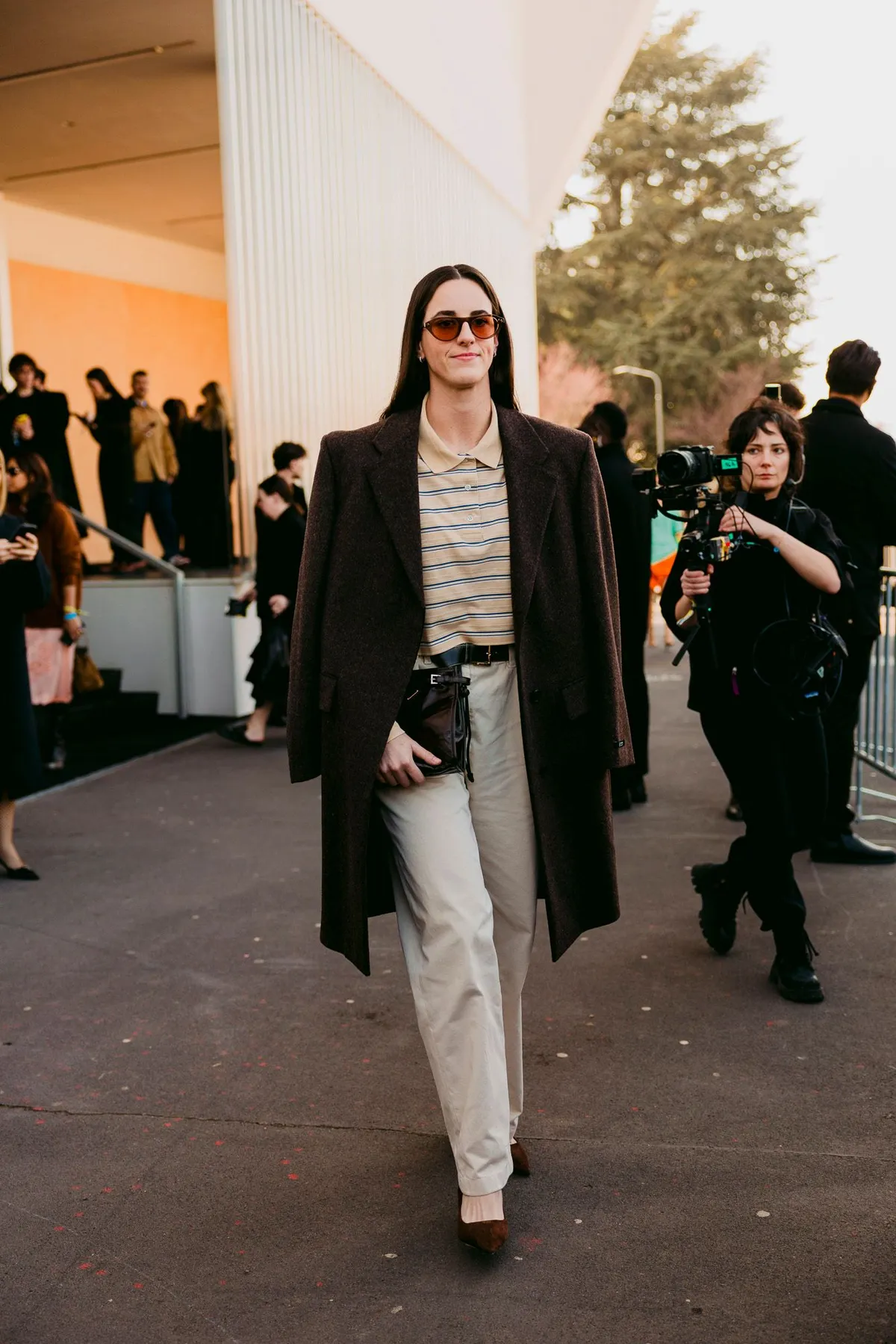
Why this actually matters
Here's the thing about moments like this - they don't just happen. They're built by people who were willing to look slightly ridiculous for believing in something before the consensus caught up. Wu Tsai is one of those people, and the league's current momentum is at least partly a reflection of that kind of long-game thinking.
The WNBA's next chapter isn't just a sports story. It's a story about what happens when investment, organizing, and cultural timing all collide at once. Spoiler: it tends to get loud.