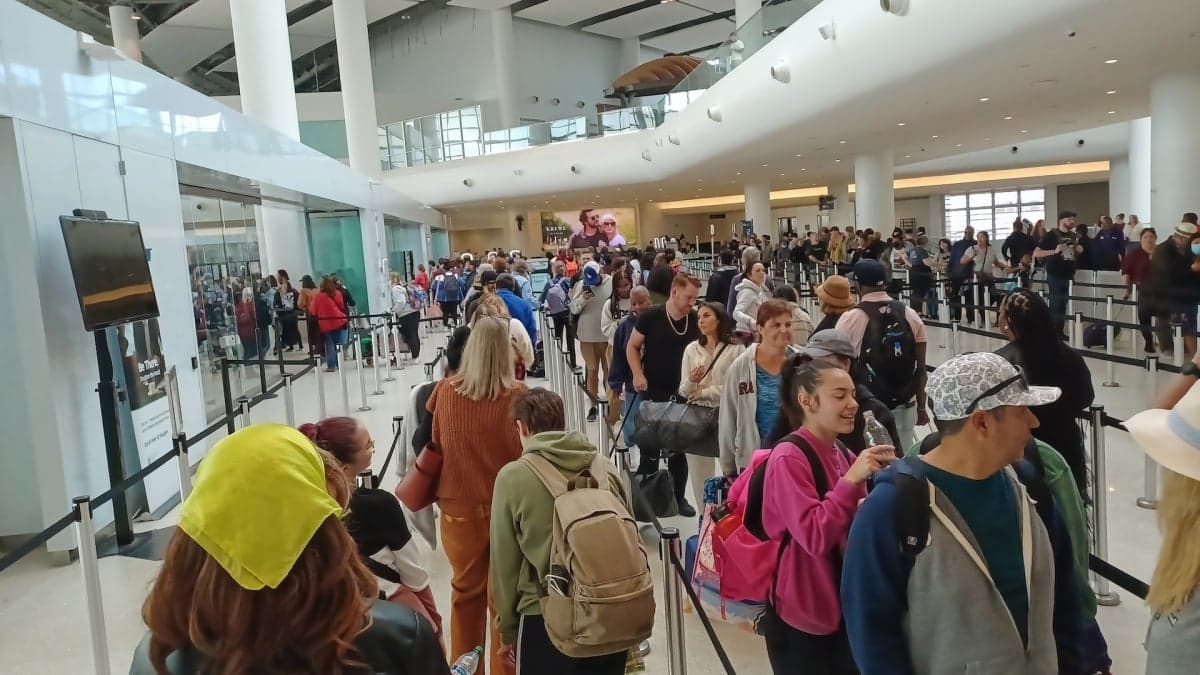
We've all been there. You arrive at the airport feeling pretty good about your timing, only to round the corner and find a security line that stretches back to what feels like last Tuesday. Missing a flight because of a TSA bottleneck is one of travel's most frustrating experiences - and also one of the most preventable.
According to a roundup from Lifehacker, there are now dedicated apps and tools that give you real-time and estimated wait times at airport security checkpoints. Knowing which ones to use before you travel can genuinely change your experience at the airport.
What to look for in a wait time app
The best tools in this space pull from a mix of crowdsourced data and historical patterns to give you a realistic picture of what to expect when you show up. Some are built specifically for security tracking, while others fold it into a broader travel planning experience.
The key features worth paying attention to are real-time updates, airport-specific data (not just general estimates), and ideally some kind of alert system so you can adjust your departure time from home if things are moving slowly.
A few standout options
The MyTSA app, which is the official app from the Transportation Security Administration itself, is a solid first stop. It includes a feature called "What Can I Bring" for packing questions, but its wait time data is genuinely useful for planning. It's free, straightforward, and worth having on your phone before any trip.
For a more holistic travel tool, apps like FlightAware and GateGuru layer in security wait information alongside gate details and flight tracking. If you already use one of these for monitoring flight status, check whether they're also giving you security intel - you might already have what you need.
Crowdsourced options like Google Maps have also gotten better at flagging airport congestion, and some travelers swear by checking Reddit threads for their specific airport in the days before a trip, where frequent flyers often post surprisingly detailed and current reports.
The bigger picture
Building a buffer into your airport arrival time is still the safest strategy, but these tools give you something better than a vague rule of thumb. Instead of defaulting to "get there two hours early" regardless of context, you can actually look at the data for your specific airport, on your specific travel day, and make a smarter call.
It's a small shift in how you prep for travel, but the payoff - less stress, more confidence, and maybe even time to grab a decent coffee before your gate - is absolutely worth the two minutes it takes to download an app.