If you've ever felt that nagging sense that society is stuck on repeat, that the future got quietly cancelled while you were doom-scrolling, congratulations - you've been living inside a Mark Fisher essay this whole time.
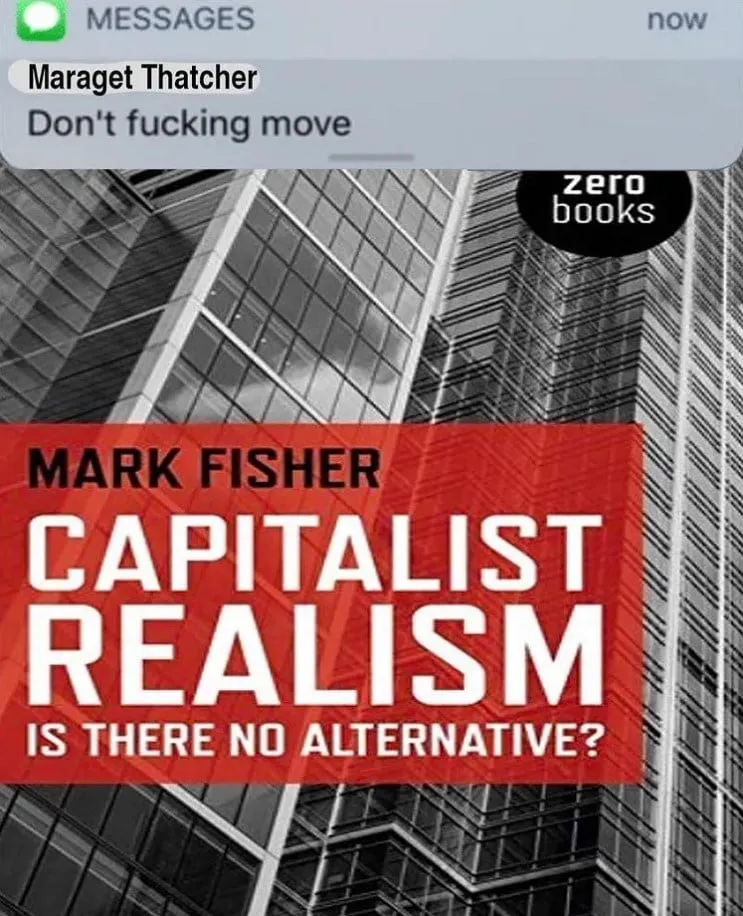
Fisher, the British cultural critic who wrote Capitalist Realism in 2009, has become something of a posthumous prophet for a generation that grew up watching institutions crumble while being told everything was fine. His ideas have seeped into meme culture, TV writers' rooms, and the vocabulary of basically anyone who has ever felt vaguely alienated at a shopping centre.

Why Fisher is suddenly everywhere
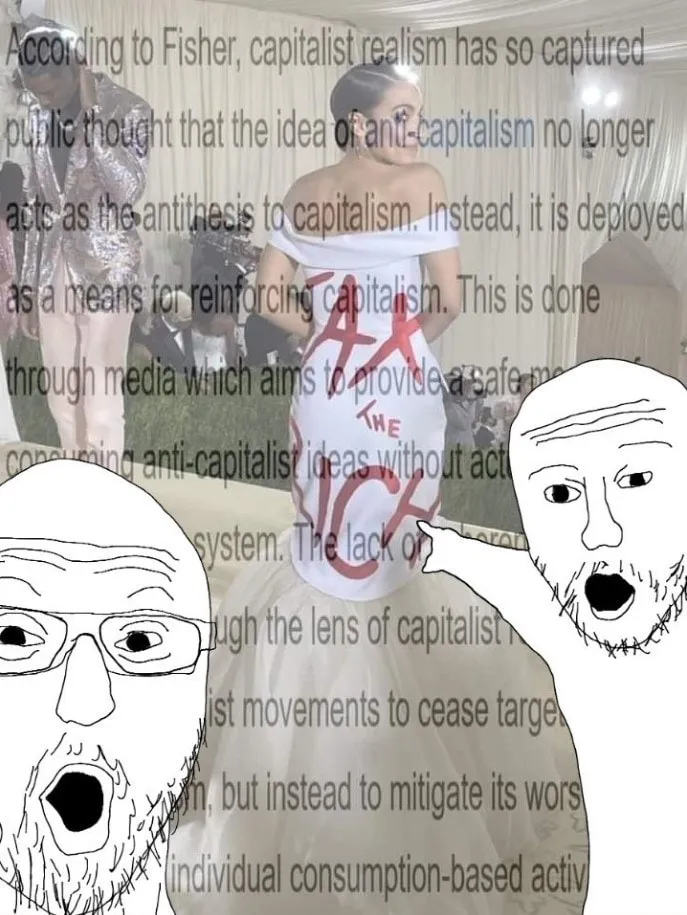
According to Dazed Digital, Fisher's ghost haunts contemporary British culture and beyond - spread through memes aimed at hauntological teens and referenced by writers of hit TV shows. Which, honestly, tracks. Nothing says "the future is foreclosed" quite like the fact that his most viral ideas live on as ironic image macros.
His signature concept, capitalist realism, is the idea that it's become easier to imagine the end of the world than the end of capitalism. Read that twice. Now look at your Netflix queue. Yeah.
The terms you need to know
Dazed's glossary breaks down ten essential Fisher concepts for the uninitiated, and if you've been nodding along to conversations about hauntology without fully knowing what it means, this is your guilt-free catch-up. Some highlights:
- Hauntology - the cultural obsession with lost futures, with the ghosts of what could have been. Think: the eerie feeling that the 90s promised us something that never arrived.
- Capitalist realism - the suffocating sense that there is simply no alternative to the current system, not even as a thought experiment.
- The weird and the eerie - Fisher's framework for understanding unsettling art and the feeling that something is deeply, structurally wrong.
Why this matters beyond the discourse
Here's the thing about Fisher's vocabulary - it's not just intellectual posturing for people who own too many tote bags. These concepts are useful. They give language to feelings that capitalism would very much prefer you kept vague and private and solved with a wellness subscription.
Understanding Fisher doesn't make the world less bleak, to be clear. But it does make you significantly better at explaining why it's bleak at dinner parties, which is its own kind of power.
The Dazed glossary is a solid entry point. Consider it your starter pack for the ongoing haunting.