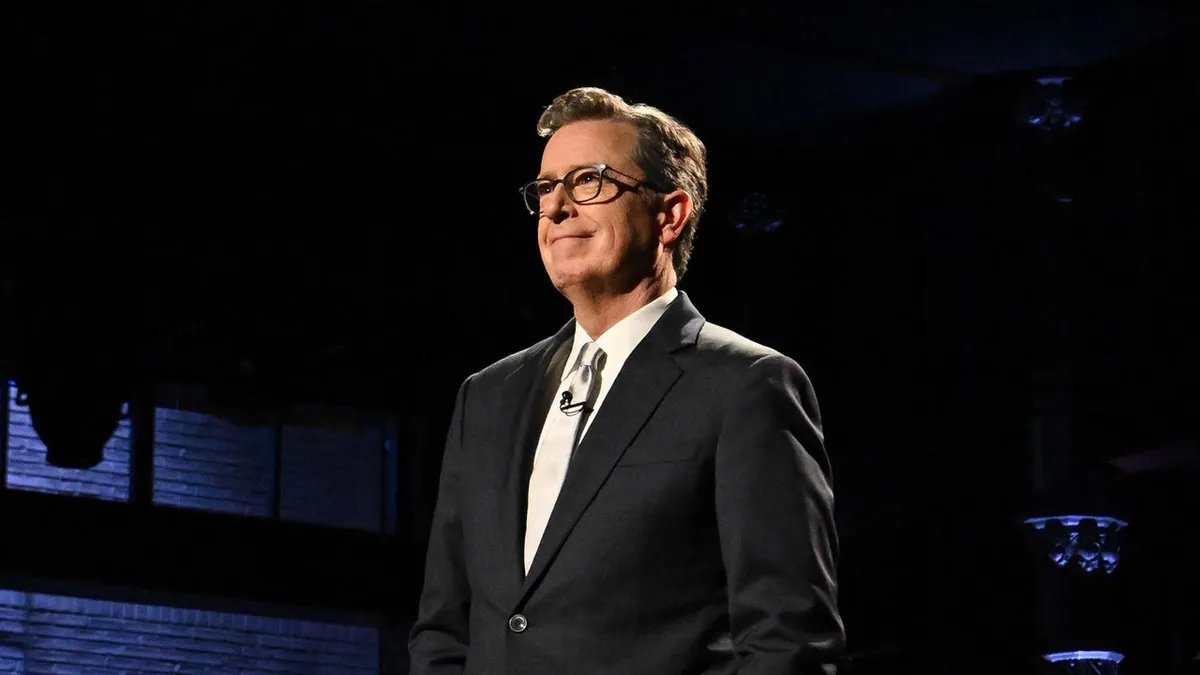
Pour one out, night owls. After ten years of political roasting, eyebrow-raises, and enough Trump jokes to fill a library, Stephen Colbert is signing off from The Late Show for good this Thursday. CBS's flagship late-night institution is closing its curtains, and honestly? It stings a little.
A quick history lesson for the uninitiated
The Late Show isn't just any talk show. It's a piece of American television furniture - the kind that's been in the living room so long you forget it's there until someone tries to move it. The show first aired in 1993 out of the iconic Ed Sullivan Theater (yes, that Ed Sullivan Theater), with David Letterman holding the reins for over two decades.
Then in 2015, Colbert stepped in. Fresh off his wildly successful runs at The Daily Show and The Colbert Report, he brought his particular brand of brainy, satirical chaos to the CBS chair. And the timing? Impeccable. Almost suspiciously so.
The Trump bump that launched a thousand monologues
Here's the thing about Colbert's tenure - it didn't really catch fire until the political landscape became absolutely unhinged. His sharp, relentless monologues during the first Trump administration turned him into essential late-night viewing. The kind of TV you watched not just to laugh, but to feel slightly less alone in your bewilderment at the news cycle.
That's a rare trick to pull off. Comedy as therapy. Jokes as coping mechanism. Colbert did it with a kind of nerdy, theatrical flair that felt genuinely his own - not borrowed, not manufactured for ratings.
So what's actually happening this week?
According to Fast Company, the final episodes are set to be a proper send-off, playing out this week with Thursday marking the official end. The Ed Sullivan Theater, which has hosted everyone from The Beatles to Letterman himself, will go quiet for this particular chapter of late-night history.
CBS hasn't exactly been rushing to announce what fills the gap - which is its own kind of statement about how hard this slot is to fill.
Why this actually matters
Late-night TV has been slowly fragmenting for years - streaming clips replace full episodes, social media algorithms decide what goes viral, and attention spans have the staying power of a mayfly. The fact that Colbert managed to keep a traditional talk show format relevant and genuinely talked-about for a decade is no small feat.
This isn't just the end of a show. It's probably the end of an era for a certain kind of broadcast late-night TV altogether. The Ed Sullivan Theater has seen history before. This week, it's watching a little more of it walk out the door.