Every generation gets the music panic it deserves. Boomers had backwards satanic messages in vinyl. Millennials had the industry plant discourse. And now, Gen Z has gifted us something even more unhinged: the psy-op accusation. The latest victim? New York rock band Geese, who apparently make music so good and so weirdly well-timed that the internet has decided they must be a psychological operation. Yes, really.
Wait, what even is a psy-op band?
The classic 'industry plant' label has been around forever. It basically means a band that pretends to be scrappy and independent while secretly having major label money and connections propping them up. Shady? Sure. But a psy-op implies something far darker - a coordinated, shadowy campaign designed to manipulate public perception on a deeper level. It's the difference between accusing someone of cheating at cards and accusing them of rewriting the rules of reality itself.
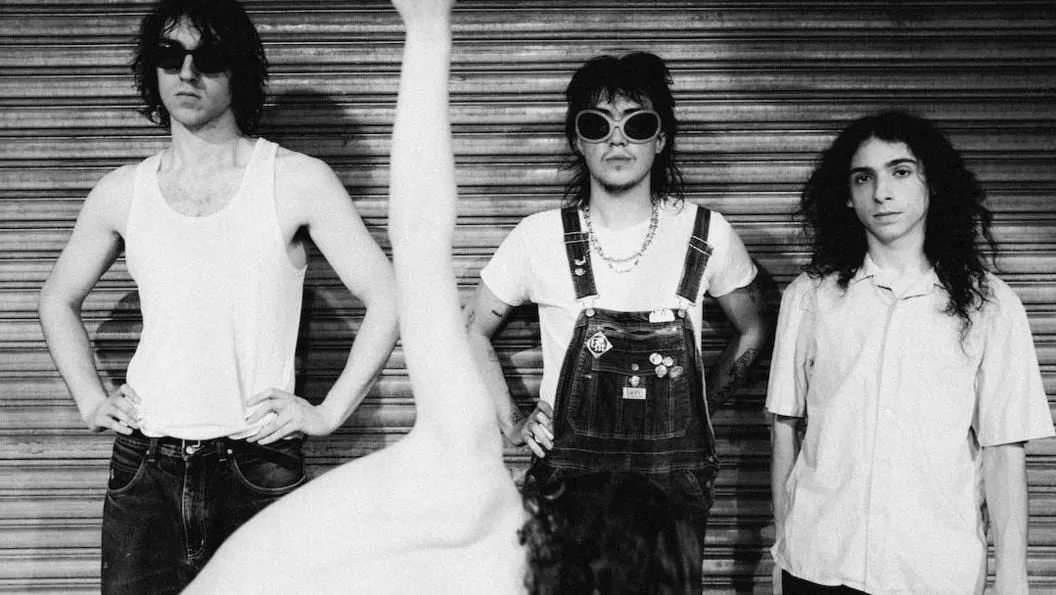
Geese, for the uninitiated, are a chaotic, wired, genuinely exciting rock band. Their music is the kind that makes you feel like you discovered something, which - and here's the kicker - is apparently now suspicious. Dazed Digital points out that this is exactly the problem: the accusation doesn't centre on dodgy label deals anymore. It centres on the music being too good and the aesthetic being too coherent. We are now in a timeline where competence is a red flag.
The real psy-op is the distrust we built along the way
Here's what the Geese discourse actually reveals: music listeners are so burned by decades of manufactured moments, algorithmic playlisting, and TikTok-to-streaming pipelines that genuine excitement now reads as manipulation. Which is, genuinely, a bit sad.
If every band that feels curated, cool, and culturally relevant is automatically suspect, then we've essentially built a worldview where good marketing and good art cannot coexist. And that's a miserable place to listen to music from.
As Dazed notes, the 'psy-op' framing is meaningfully different from older critiques - it positions the audience as targets rather than just consumers. And once you start thinking like a target, everything looks like a weapon.
So are Geese a psy-op?
Almost certainly not. But the fact that the question feels worth asking says everything about where we are culturally. We're so deep in skepticism that we've started treating good taste as a threat. Maybe the real psy-op was the paranoia we developed along the way. Or maybe, just maybe, some bands are simply good and we should be allowed to enjoy that without filing a FOIA request first.
Put the conspiracy hat down. Press play. Touch grass.