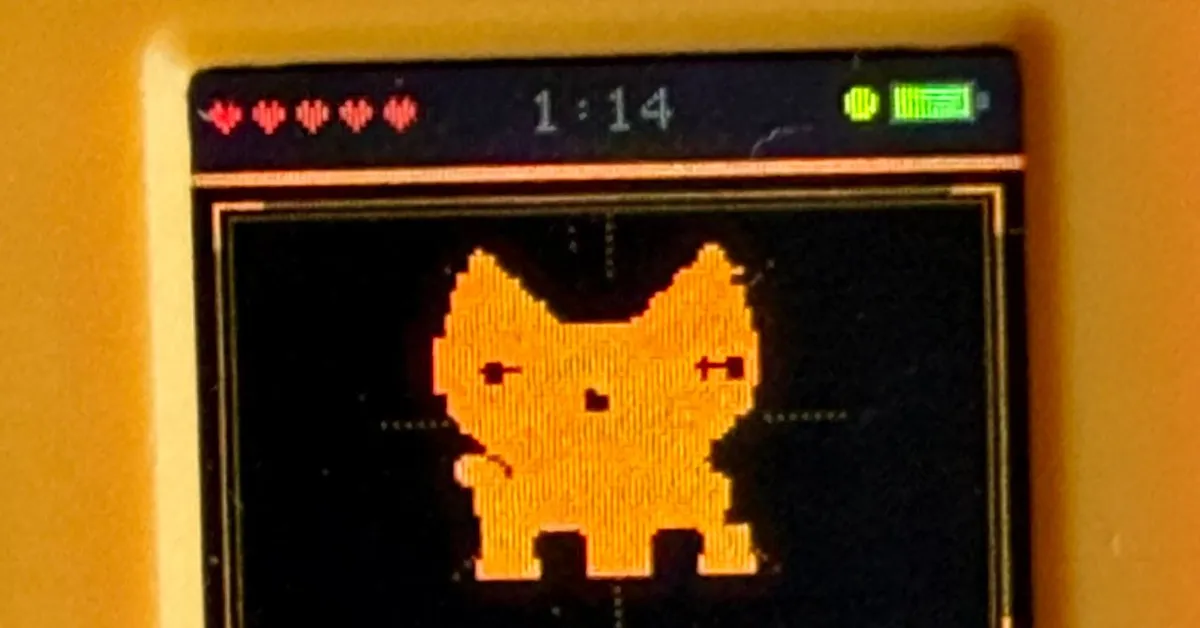
Remember when vibe coding was just a funny way to describe letting an AI write your slightly broken JavaScript? Well, someone looked at that energy and thought: what if we did that, but for physical electronics that can catch fire?
Meet Schematik - a tool that Wired is describing as 'Cursor for hardware.' For the uninitiated, Cursor is the AI-powered code editor that basically lets developers describe what they want in plain English and get working software back. Schematik wants to do the same thing, except instead of a web app, you're getting circuit schematics and designs for actual physical devices.
Why this is either brilliant or terrifying (probably both)
Hardware engineering has historically been one of those fields where the barrier to entry is genuinely brutal. You need to understand electronics, components, tolerances, power management, signal integrity - the kind of stuff that takes years to get comfortable with. Software can fail gracefully. A bad PCB design can fail... less gracefully.
Which makes it either very exciting or very alarming that Anthropic - the AI safety company behind Claude - has decided it wants in on Schematik. The involvement of one of the biggest names in AI development suggests this isn't just a fun weekend project. There's serious money and serious interest pointing at the idea that AI-assisted hardware design could actually be a thing.
The 'hopefully it won't blow anything up' problem
Wired's own summary of the tool includes the caveat 'hopefully, it won't blow anything up' - which, honestly, is doing a lot of heavy lifting as a product disclaimer. The stakes with hardware are just fundamentally different from software. Ship a buggy app and users get annoyed. Ship a buggy circuit design and users get... a different kind of experience.
That said, the potential upside is massive. Democratising hardware prototyping the way tools like GitHub Copilot have democratised software development could unlock a wave of makers, indie hardware startups, and engineers who just need a faster path from idea to prototype. The hard parts of electronics design - the repetitive, lookup-heavy, datasheet-diving stuff - are exactly the kind of tasks AI tools tend to handle well.
The bottom line
Schematik is a genuinely fascinating bet on where AI-assisted design is heading next. With Anthropic backing the vision, it's clearly more than a niche experiment. Whether it becomes the tool that finally makes hardware accessible to the masses, or a cautionary tale about AI-generated smoke and sparks, remains to be seen.
Either way, the era of telling an AI 'build me a Bluetooth sensor node' and getting something resembling a real schematic back might be closer than you think. Godspeed to all the brave early adopters.