Every two years, the world's most well-heeled culture vultures descend on Venice to stare at things they may or may not understand, drink Aperol Spritz at parties they absolutely had to be seen at, and collectively agree that yes, this is all very important. Venice Biennale season is here, and according to a deliciously sharp dispatch published by i-D from an anonymous critic inside the Giardini, it is exactly as unhinged as you'd hope.
Collapse chic is in, apparently
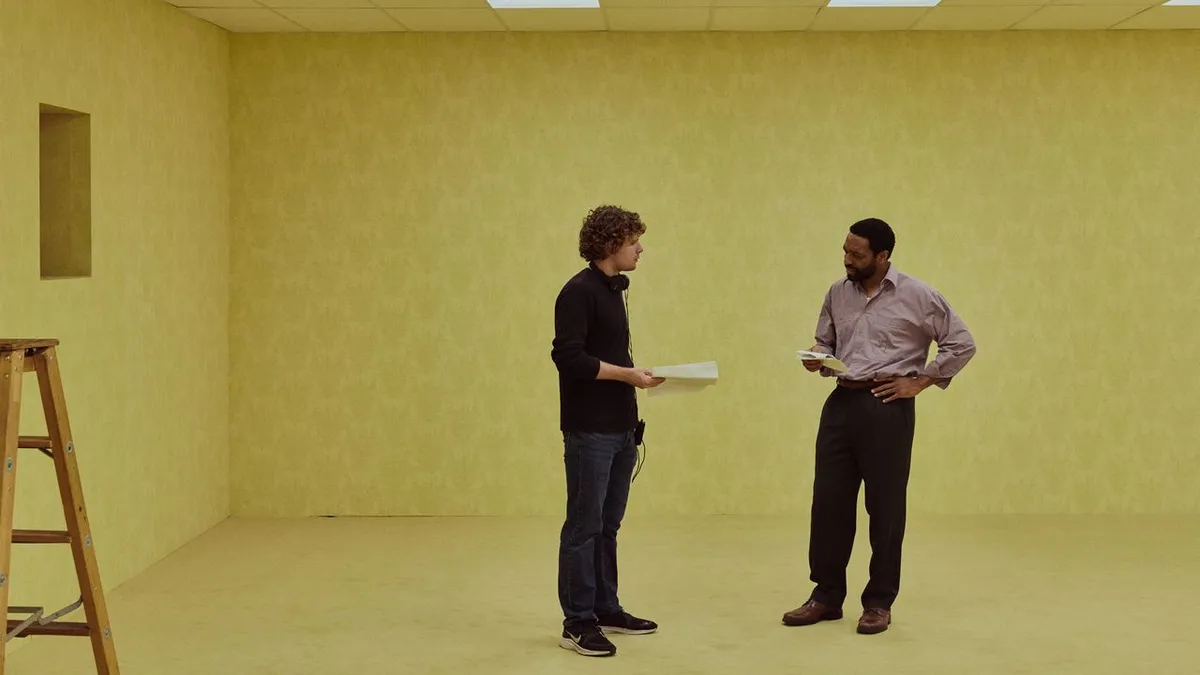
The anonymous reviewer - writing under the banner of 'Hollywood Superstar Review' - clocks the dominant aesthetic immediately: rich art people doing their very best impression of civilizational decay. Think immersive installations about ecological ruin, painstakingly constructed by teams of underpaid assistants, then attended by collectors who arrived on private jets. The irony is not lost on the critic. It is, in fact, the whole point.

There's something genuinely fascinating about the Biennale as a cultural phenomenon. It functions simultaneously as a serious intellectual forum and a sort of international cosplay convention for people who winter in Gstaad. Both things are true. Both things are deeply funny.
The real competition is the party circuit
If you thought the national pavilions were the main event, the anonymous critic would like a word. The real blood sport at Venice is securing invitations to the right parties - a shadow economy of favors, name-dropping, and strategic Instagram follows that runs parallel to the official program and, frankly, probably matters more to half the attendees.
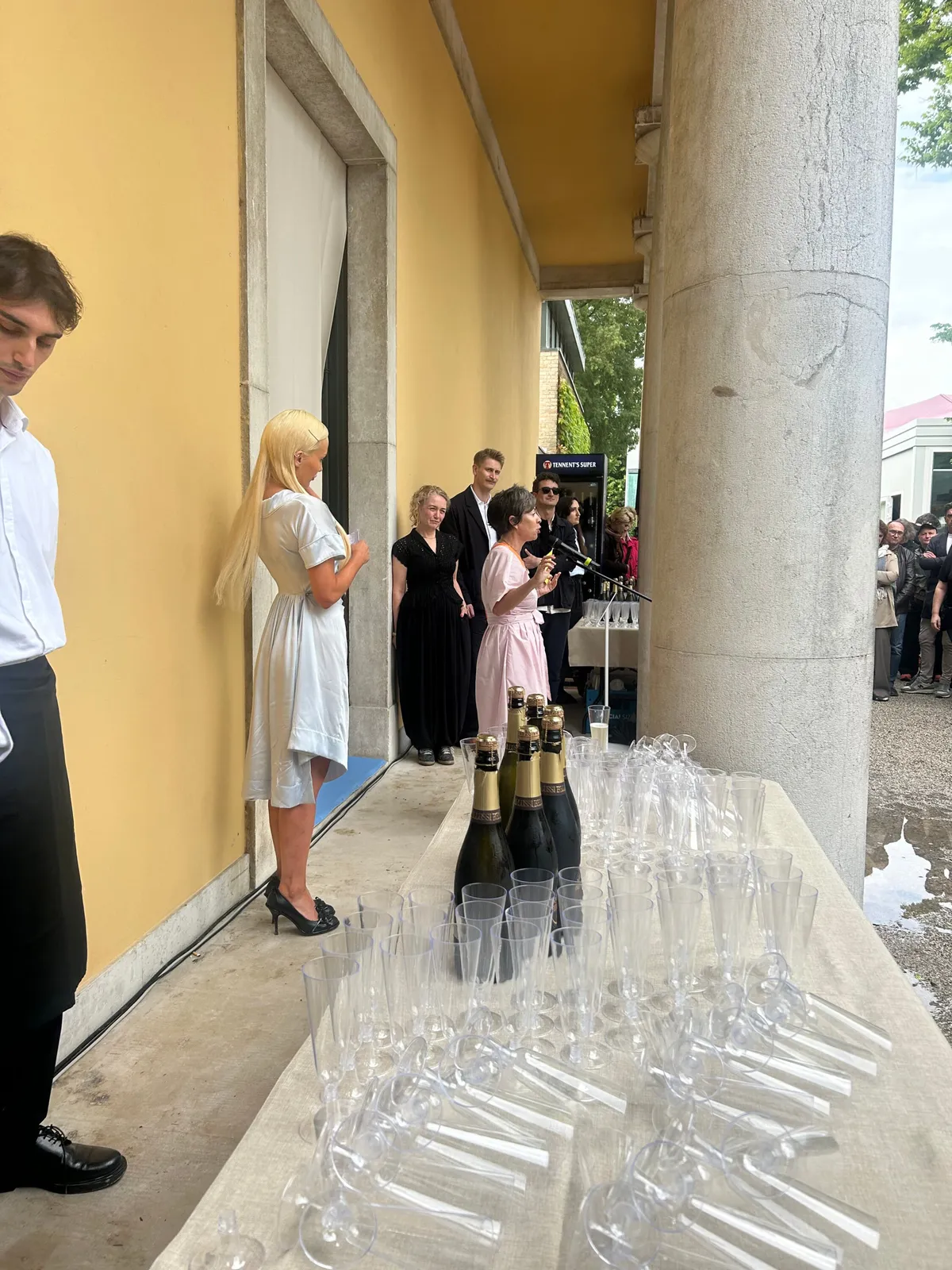
The dispatch captures this beautifully without tipping into pure cynicism. Yes, the social performance is absurd. Yes, the gap between the art's themes (grief, loss, collapse, the end of things) and the mood of the crowd (celebratory, acquisitive, extremely well-dressed) is comedic. But the art itself? Some of it genuinely lands.
Why it still matters, somehow
Here's the thing about Venice Biennale discourse: the easiest take is always 'it's just rich people pretending to care.' And that take is not wrong, exactly. But it's also not the whole picture. The Giardini remains one of the few places where genuinely strange, uncompromising, politically awkward work gets a major international platform - even if it's being watched by someone whose watch costs more than your car.
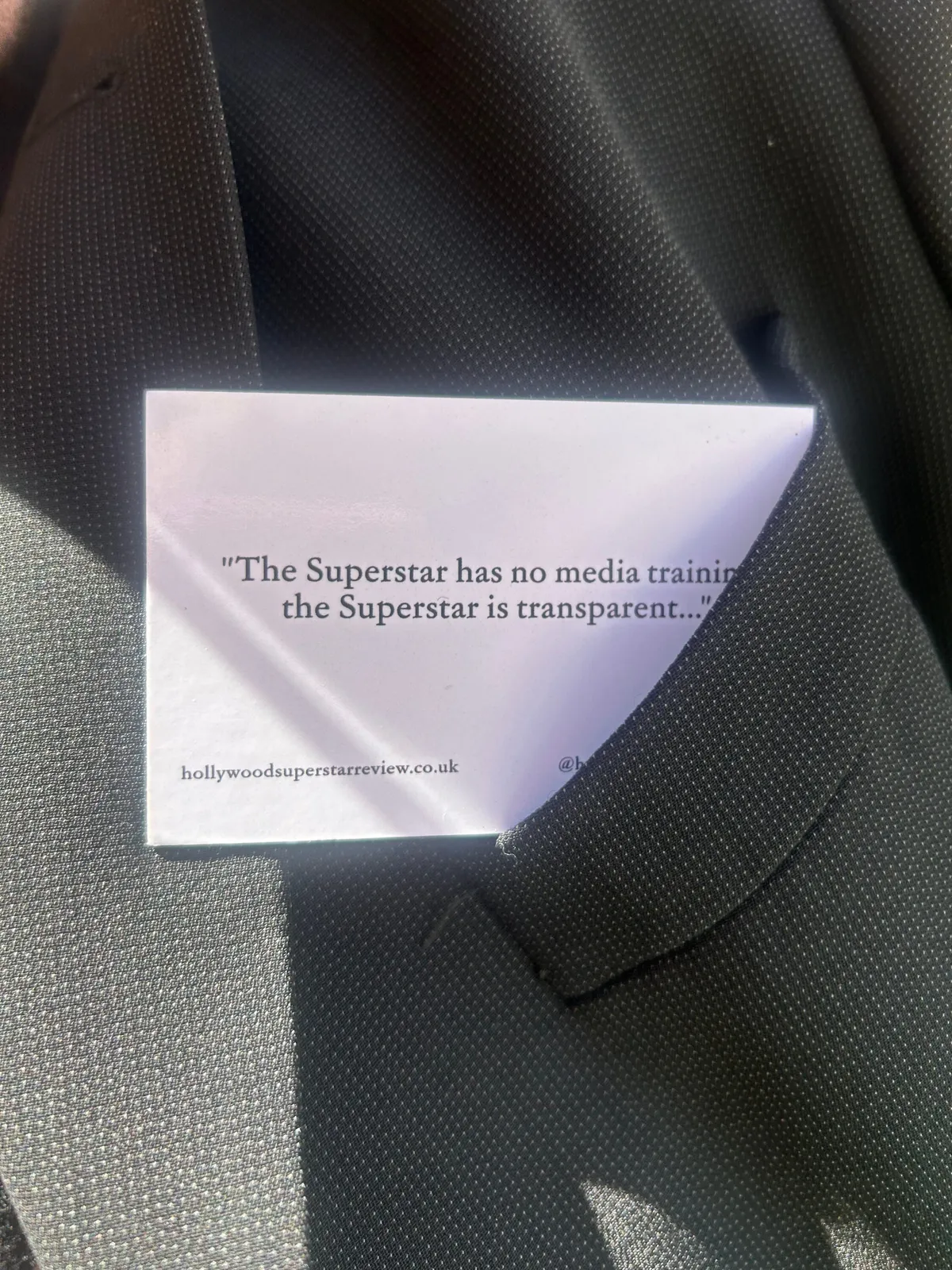
The 'Hollywood Superstar Review' critic seems to hold both of these realities at once, which is what makes the piece worth reading. Art world satire that actually knows the art world hits different from the outside-looking-in variety.
If you can't make it to Venice yourself - and statistically, you cannot, because the hotels cost what they cost - the i-D dispatch is the next best thing: funny, knowing, and genuinely illuminating about what it means to stage the end of the world in one of Europe's most beautiful cities, for an audience that definitely got a better hotel room than you.