Google held its I/O 2026 event, stood on stage, looked the entire internet directly in the eyes, and said: "You know those blue links you've been using to navigate human knowledge for 25 years? Gone. Here's an AI agent instead. You're welcome."
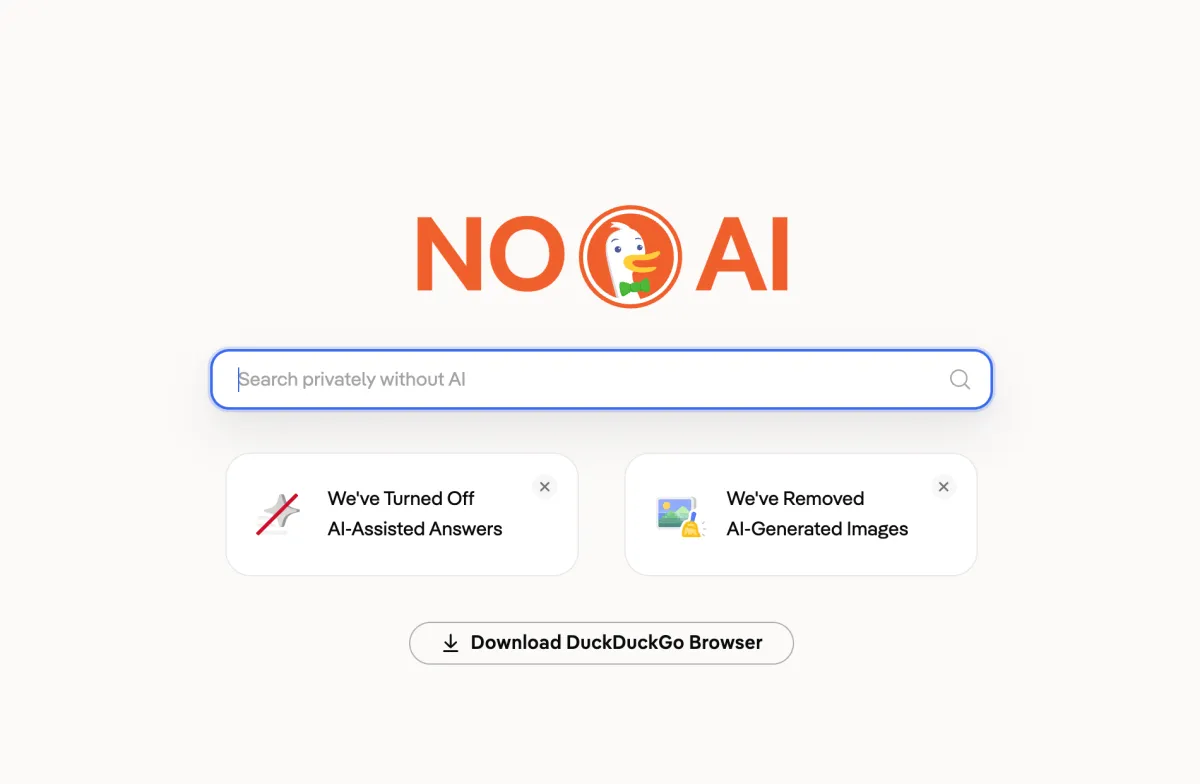
The response from users was swift, decisive, and deeply petty in the best possible way. According to TechCrunch, DuckDuckGo app installs jumped 30% almost immediately after the announcement. People didn't just grumble into their keyboards - they actually left.
What Google actually did
The short version: Google overhauled Search at I/O 2026 and replaced its traditional results with AI agents. Instead of giving you a list of sources to choose from, the new Search essentially chews your food for you and hands it back, pre-digested, with a confident smile. No links. No browsing. Just vibes and machine-generated summaries.
For a lot of users, that's not a feature. That's a hostage situation.
Why this actually matters
Here's the thing - a 30% spike in DuckDuckGo installs isn't just a fun statistic to dunk on Google with (though, yes, we are doing that). It signals something real. People are increasingly aware that being "helped" by an AI that controls what information you see is a very different thing from actually searching the web.
There's a meaningful difference between a tool that finds things for you and one that decides what you need to know. Google just blurred that line into oblivion, and a significant chunk of users noticed immediately.
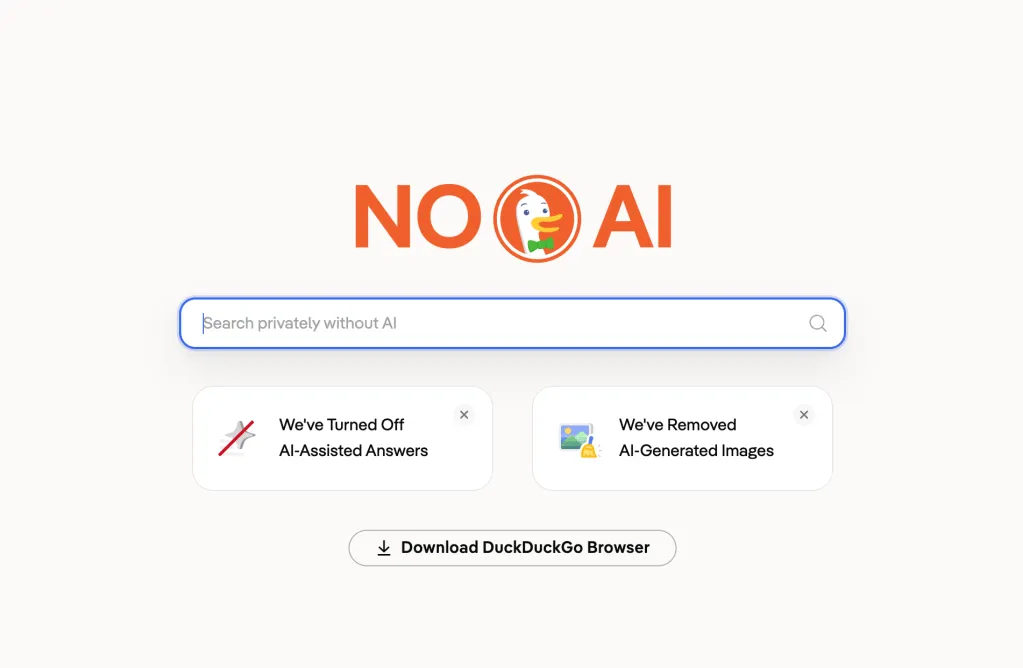
DuckDuckGo, for all its "we're not Google" energy, has spent years being the browser equivalent of the weird kid who was actually right about everything. No tracking. Actual links. A search engine that treats you like an adult who can read a list of results and pick one themselves. Revolutionary stuff, apparently.
Is this the beginning of something?
Probably not a full Google exodus - let's be honest with ourselves. Google is deeply embedded in how the web works, and most people will grumble and adapt. But 30% is not nothing. It suggests there's a ceiling on how much AI intervention users will tolerate before they start voting with their app stores.
Google gambled that people want to be served answers rather than given options. Some users just very loudly disagreed. And whether the company is paying attention is, at this point, anyone's guess.