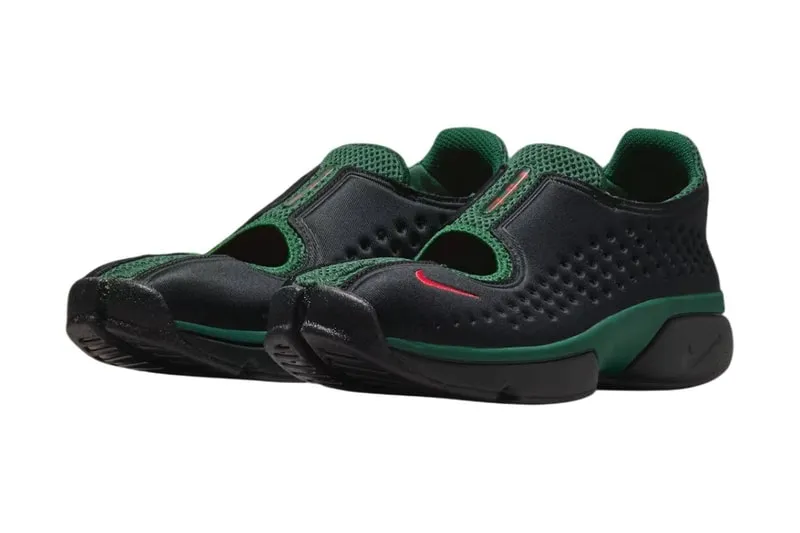
Some shoes age like fine wine. Others age like a questionable trend you buried in a drawer. The Nike Air Rift 2 "Kenya" is firmly in the first camp - and Nike knows it, because they're bringing it back for Summer 2026.
According to Hypebeast, the retro is dropping via Nike's SNKRS platform in a women's "Black/Team Dark Green/Fire Red" colorway - a combination that leans hard into the shoe's actual running heritage rather than treating it like a costume piece.
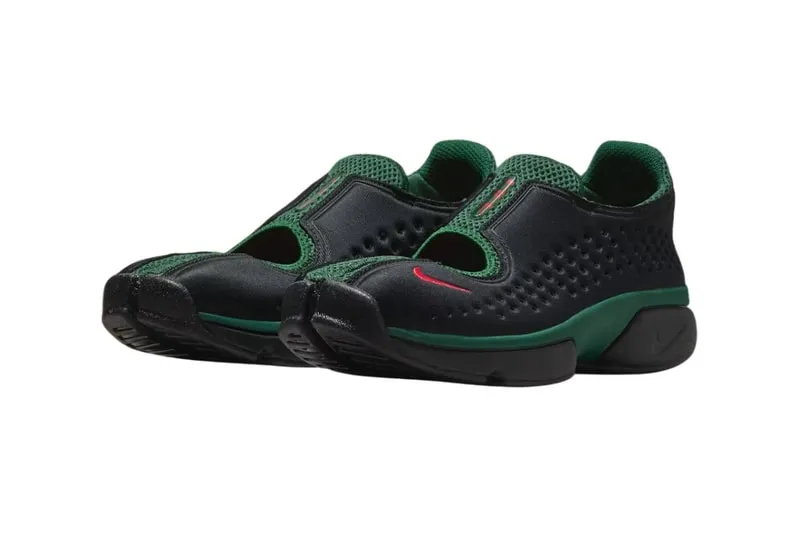
Wait, split toes? Yes, split toes.
If you're new here: the Air Rift line is famous for its divided toe box, the kind of design that makes people either immediately want a pair or audibly say "what is that." The original Air Rift dropped in 1995, inspired by barefoot running styles from Kenyan distance runners. The Air Rift 2 followed in 2002 as a refined evolution, and the "Kenya" colorway ties the whole thing back to that origin story with a green-and-red palette that isn't subtle about its influences.
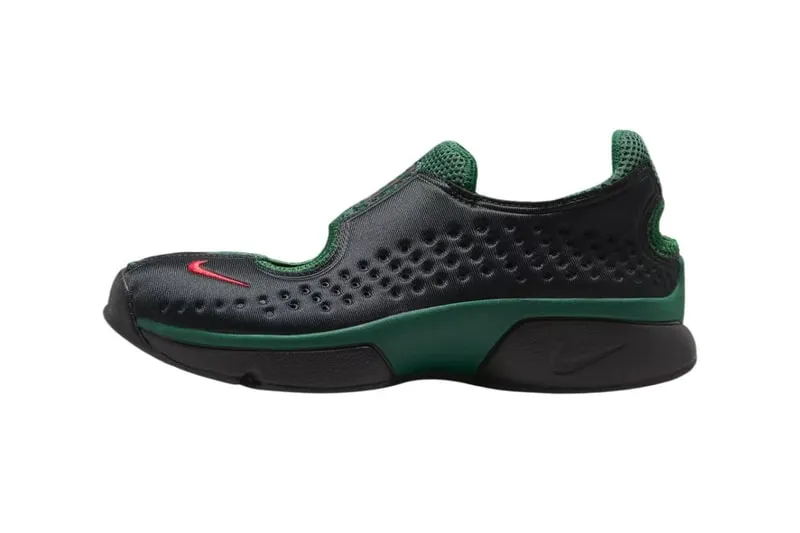
This isn't a gimmick revival. The split-toe concept is genuinely interesting from a biomechanics standpoint - it's the kind of thing that would get breathless coverage today if it launched for the first time in 2025. Nike just happened to do it three decades ago and then sort of... let it sit in the archive for a while.
Why this matters beyond the nostalgia hit
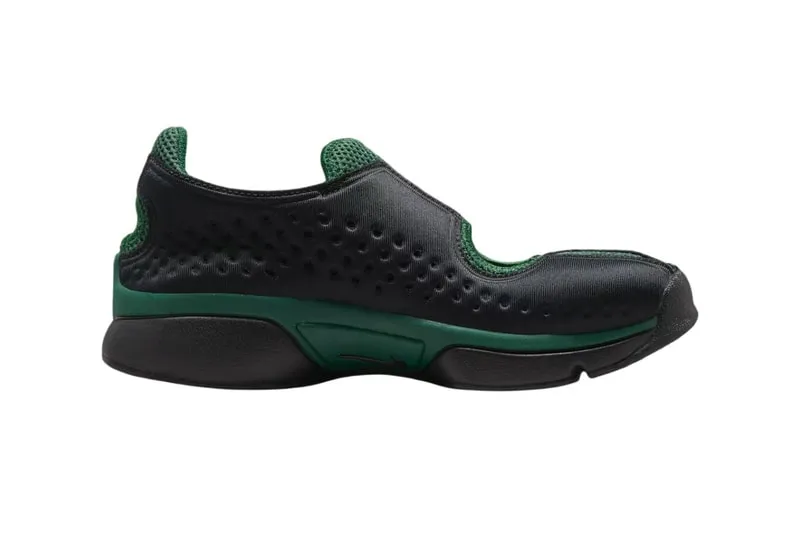
The Air Rift 2 sits at this interesting crossroads between performance running history and early-2000s design energy. The colorway Nike chose here isn't chasing streetwear - it's rooted in something. That specificity is refreshing in a landscape where retro drops sometimes feel like they were generated by an algorithm that just searched "90s shoe vibes."
Pricing is still TBC, and a firm release date beyond "Summer 2026" hasn't been confirmed. But if you've ever looked at a Nike Moc or a FiveFingers and thought "interesting concept, would like it to look less like aqua socks" - the Air Rift 2 might be exactly what you didn't know you were waiting for.
The split-toe geometry holds up. Turns out the future just needed a few decades to catch up.