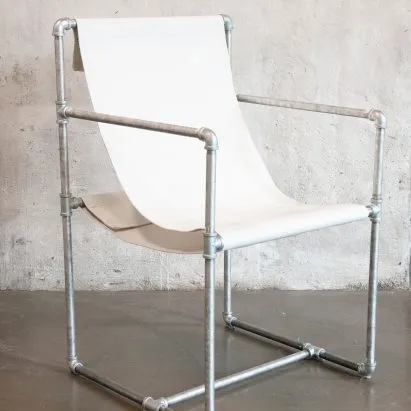
If you know anything about Montreal's Olympic Stadium, you know the roof has been a problem since basically forever. The thing has leaked, sagged, and generally caused mayhem for decades. So what do you do with the Kevlar fabric panels when they finally come down? You make chairs out of them, obviously.
That's exactly what students at Concordia University did, and honestly it's the most Montreal thing we've ever heard. Led by designer and instructor Jeremy Petrus, the O-cycle Project took the stadium's iconic - or infamous, depending on your perspective - Kevlar roofing material and transformed it into a full collection of wearables, decor pieces, and furniture, all shown off during Montreal Design Week.
From architectural nightmare to design flex
For context: the Big O's roof is basically Canadian architectural folklore. The stadium was built for the 1976 Olympics and didn't even have a functioning retractable roof until 1988. It then proceeded to tear, collapse partially, and generally haunt the city's budget for years. The Kevlar fabric panels that eventually replaced the original design were themselves eventually retired, which is where these students stepped in.
Taking a material with that much baggage - literal and figurative - and turning it into something people actually want to sit on or wear is a genuinely clever design move. Kevlar, for the uninitiated, is the same material used in bulletproof vests. So yes, these students made furniture out of bulletproof stadium roof fabric. Your Ikea bookshelf is looking a little embarrassed right now.
Why this actually matters
Beyond the "wait, they did WHAT?" factor, the O-cycle Project is a solid example of design thinking applied to architectural salvage. Instead of the Kevlar panels ending up in landfill - which is where decommissioned specialty building materials often go - they got a second life with genuine aesthetic and conceptual value.
Upcycling in design isn't new, but upcycling something this specific, this storied, and this structurally weird is a different challenge entirely. The material carries history, and the students leaned into that rather than trying to hide it.
According to reporting by Dezeen, the exhibition was shown during Montreal Design Week, giving the project exactly the kind of platform it deserves - one where people can actually see what happens when you hand students a pile of historic stadium debris and say "make something cool."
They did. The stadium finally did something right.