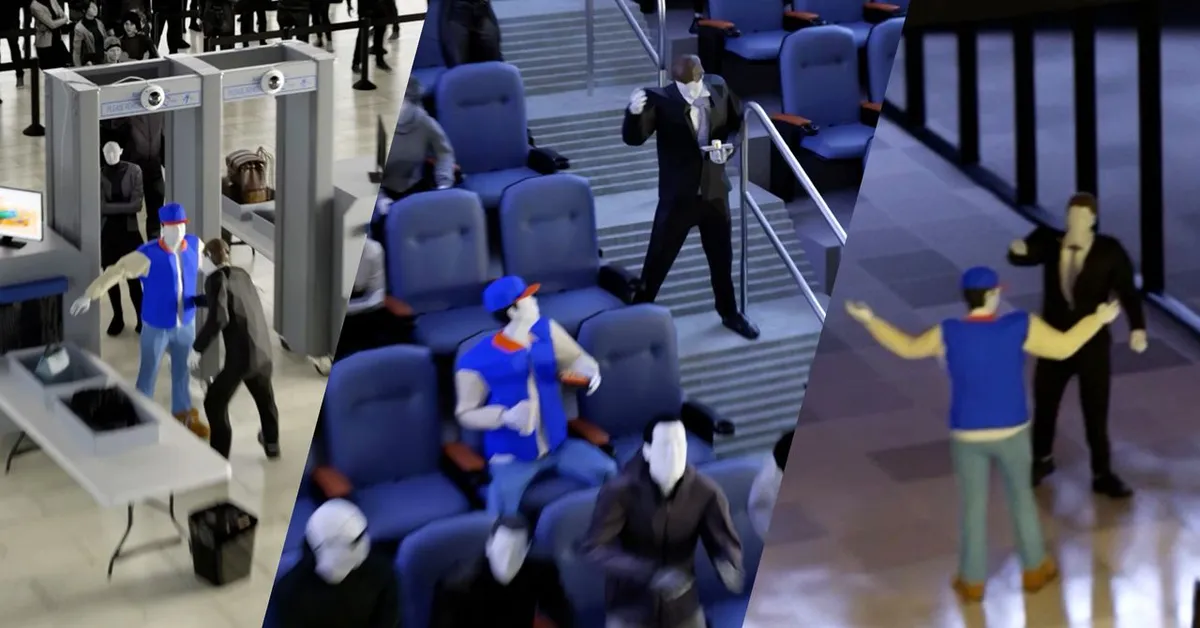
When you head to a basketball game or a concert at Madison Square Garden, you're probably thinking about your seats, your overpriced beer, and whether the Knicks are going to break your heart again. What you're probably not thinking about is whether the venue is tracking you. But according to a deep investigation by WIRED, that's exactly what's been happening - and the scope of it is genuinely unsettling.
More than just security cameras
MSG's surveillance operation, as described by WIRED, goes well beyond the standard security setup you'd expect at a major entertainment venue. The reporting alleges that the arena's system - built under the direction of owner Jim Dolan, who has a well-documented reputation for holding grudges - has been used to monitor lawyers, protesters, and in one particularly troubling case, a transgender woman.
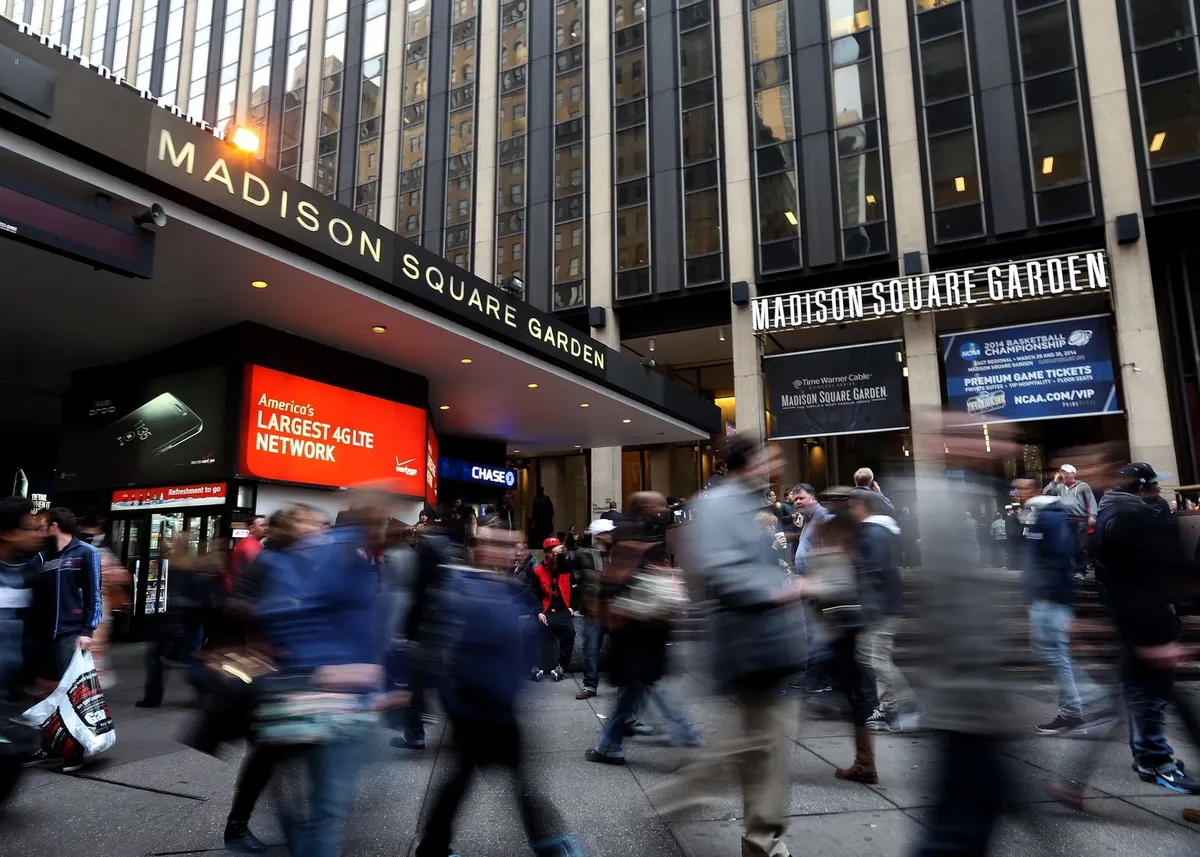
This isn't just a story about overzealous corporate security. It raises real questions about who gets to move through public-facing spaces freely, and who gets flagged, tracked, or turned away - often without any clear explanation or recourse.
Why Dolan's reputation matters here
Jim Dolan isn't a passive owner who lets his business run itself. He's famously hands-on and famously thin-skinned, with a long history of confrontations with fans, journalists, and critics. That context is important, because it shapes how you read an alleged surveillance apparatus that seems designed less for public safety and more for personal control.

WIRED's investigation paints a picture of a machine that can identify and flag individuals before they even reach the door - a kind of bouncer system turbocharged by technology and, allegedly, personal vendettas.
The bigger picture
MSG is one of the most famous arenas in the world. Millions of people pass through it every year for sports, concerts, and events. The idea that attendance at a Knicks game or a Billy Joel show could result in someone being surveilled - particularly someone from a marginalized community - is the kind of thing that tends to make people reassess what they think they know about public spaces and private power.

Facial recognition and advanced surveillance tech have been creeping into venues, airports, and retail spaces for years. MSG's alleged operation is a sharp reminder that these tools don't exist in a vacuum. They're operated by people, shaped by priorities, and - as this investigation suggests - can be pointed at individuals for reasons that have nothing to do with safety.
The full WIRED investigation is worth reading in its entirety. It's the kind of accountability journalism that makes you think twice about what you're agreeing to just by walking through a door.