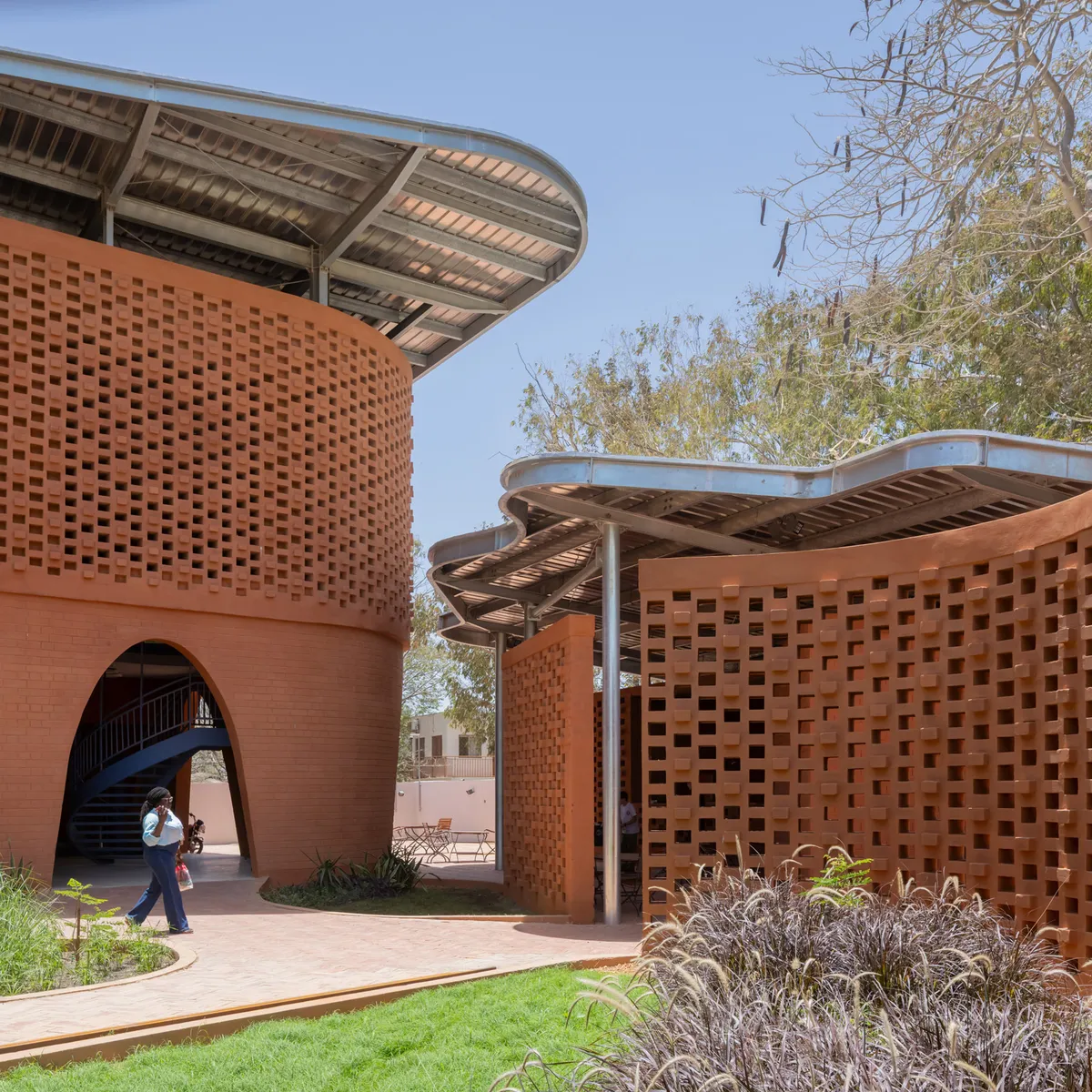
If you want a masterclass in how traditional materials can feel entirely of the moment, look no further than Kéré Architecture's latest project. The Berlin-based studio, founded by Pritzker Prize-winning architect Francis Kéré, has just unveiled a new headquarters for the Goethe-Institut in Dakar, Senegal - and it's built almost entirely from compacted-earth blocks.
Rooted in the ground, literally
The two-storey structure sits next door to the Musée Léopold Sédar Senghor, a museum dedicated to Senegal's former president and celebrated poet. That's a meaningful address. Being placed in conversation with a building honoring one of Africa's most significant cultural figures says something about how seriously this project takes its context.
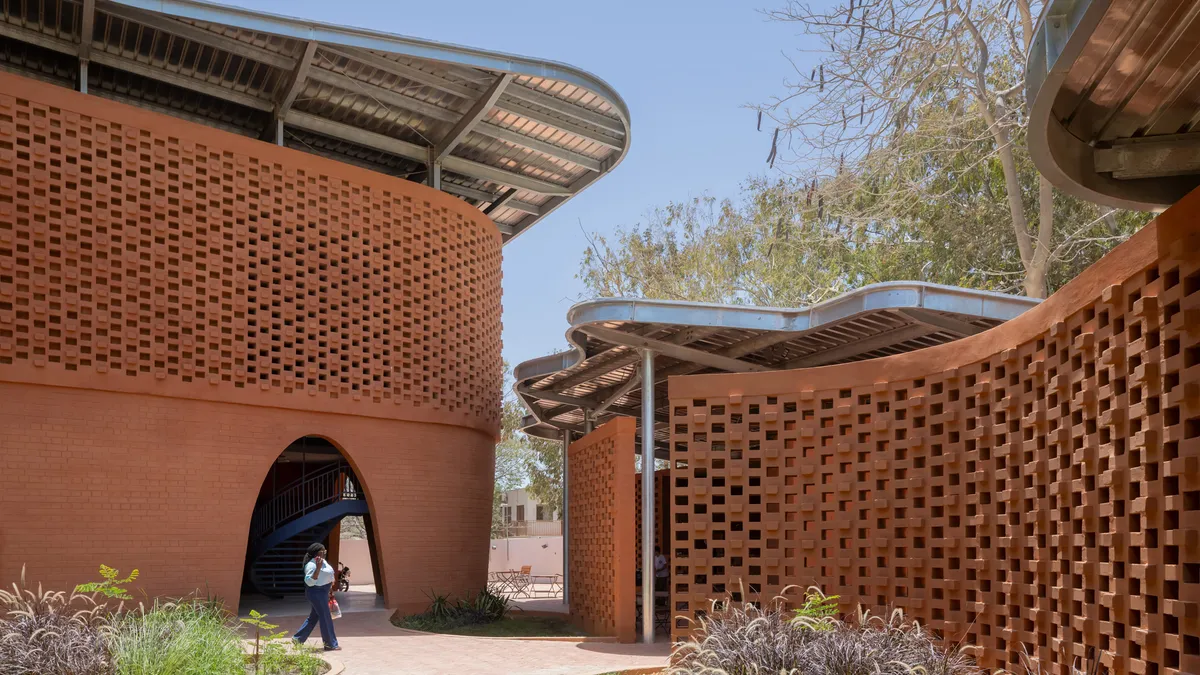
According to Dezeen, the building marks the first permanent structure commissioned for the Goethe-Institut in the region - making it a landmark not just architecturally, but institutionally. This isn't a temporary pavilion or a gesture. It's built to last.
Why compacted earth matters right now
The choice of perforated compacted-earth bricks isn't just an aesthetic one. Earth construction has a long history across West Africa - it's a material that breathes, insulates naturally, and responds to the local climate in ways that imported concrete and glass simply don't. Using it here is both a nod to regional building traditions and a genuinely smart response to Dakar's heat.
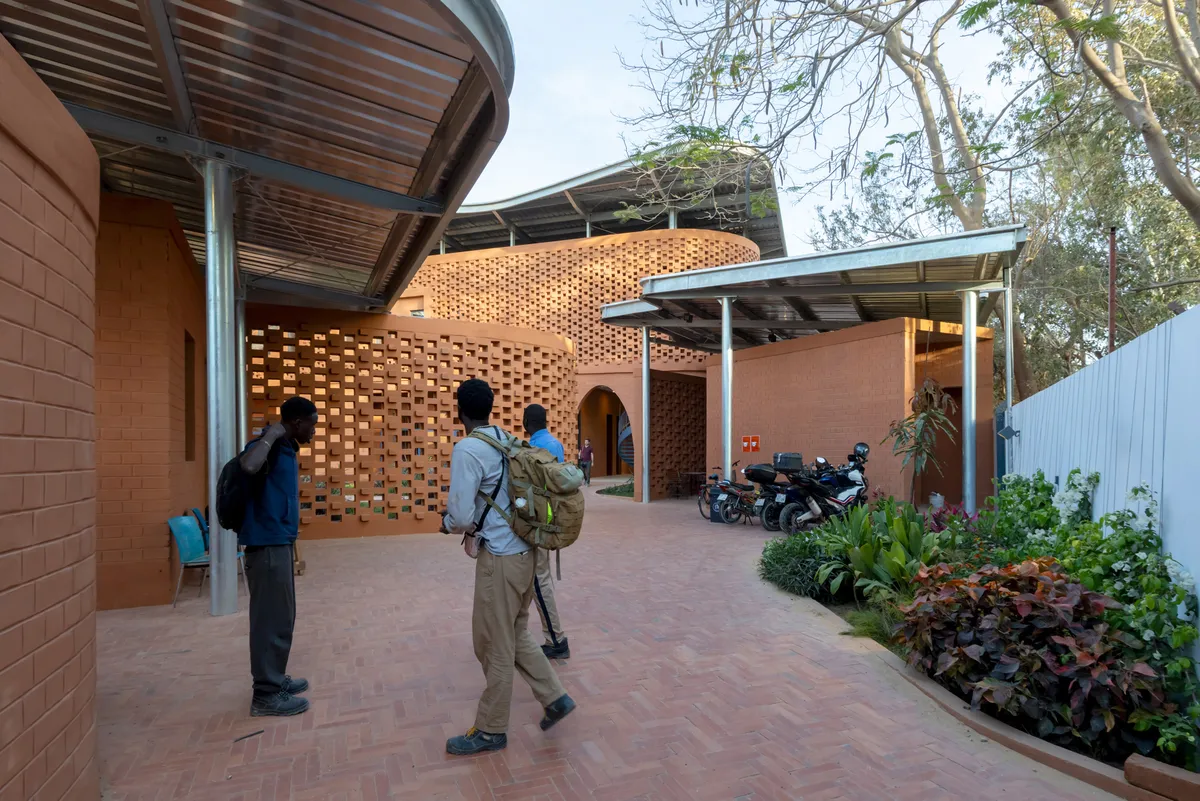
There's also a growing global conversation about the environmental cost of conventional construction. Compacted earth carries a dramatically lower carbon footprint than fired brick or poured concrete, which makes projects like this one increasingly relevant as the architecture world grapples with sustainability.
Kéré's signature approach
Francis Kéré has built his reputation on exactly this kind of work - designs that are deeply site-specific, culturally resonant, and technically innovative without feeling like they're showing off. His practice consistently proves that working with local materials and local knowledge produces buildings that are both beautiful and genuinely useful to their communities.
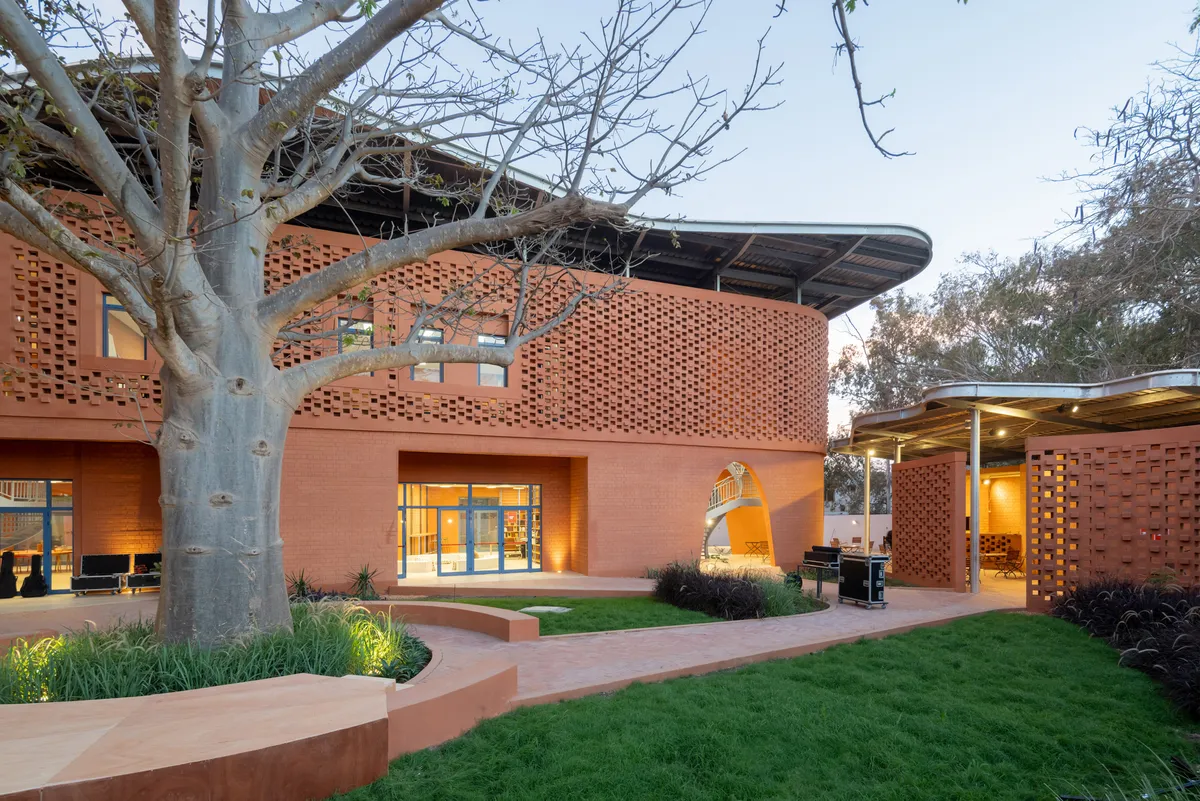
The Goethe-Institut project feels like a natural extension of that philosophy. A cultural organization choosing to root itself in the landscape - quite literally - through the materials of its building sends a clear message about belonging and long-term commitment.
It's the kind of architecture that rewards a second look. And in a city as vibrant and visually rich as Dakar, that's saying something.