You know Kevin O'Leary. You've seen him on Shark Tank, gleefully telling hopeful entrepreneurs that their dreams are worthless. Now he has a new hobby: trying to build what would arguably be the largest data center on Earth, right in the middle of Utah, and then convincing everyone it'll be gorgeous.
The numbers are genuinely absurd
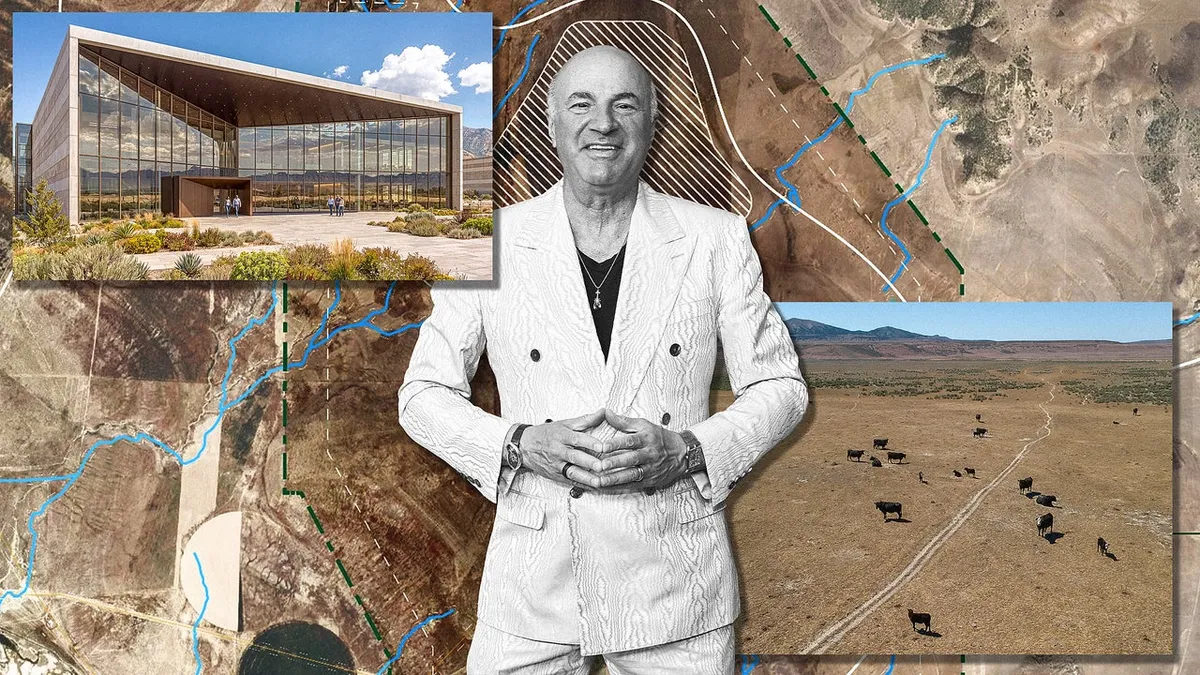
According to Fast Company, O'Leary's project - called Stratos - would cover 10,000 acres of cattle-grazing land north of the Great Salt Lake. For context, that's roughly 15 square miles of pure AI infrastructure. It would pump out 7.5 gigawatts of power, which dwarfs basically everything built for artificial intelligence to date. This isn't a data center. This is a data nation-state.
And yes, it's still in the "if it ever gets built" phase, which is doing a lot of heavy lifting in this story.
Utah residents are... not thrilled
Shocking absolutely nobody, many people in Utah are concerned about the project. Slapping a monstrous industrial complex onto thousands of acres of open land near the Great Salt Lake - a body of water already under serious environmental stress - is the kind of proposal that tends to generate some community pushback. Wild, right?
But O'Leary, ever the optimist when it comes to his own ideas, reportedly believes the project can be made beautiful. Which is a very bold aesthetic take on what is essentially a warehouse the size of Manhattan's Central Park times sixteen.
Why this actually matters
Here's the thing beneath the spectacle: data centers are quietly becoming one of the most contested land-use battles in America. The AI boom is sucking up land, water, and electricity at a pace that's genuinely hard to wrap your head around. Stratos is just the most theatrical version of a fight that's already playing out in smaller ways across the country.
O'Leary is essentially putting a flashy celebrity face on a trend that was already barreling forward whether we noticed or not. The real question isn't whether Mr. Wonderful can make a data center look pretty. It's whether communities get any real say in what happens to the land around them when the next big tech gold rush comes knocking.
Spoiler: historically, not much.