If you've ever looked at a building and thought 'this thing has absolutely no business being this beautiful,' congratulations - you're now ready to discuss Kengo Kuma's first museum on American soil.
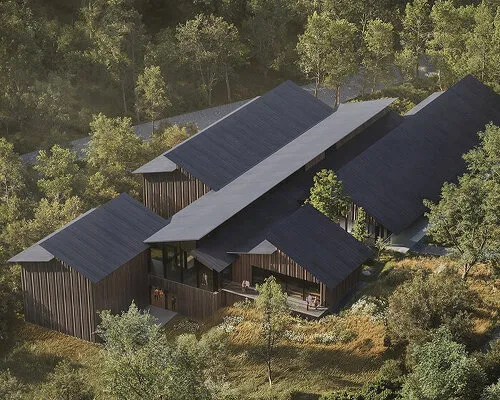
The Japanese master of 'architecture that apologizes to nature for existing' has unveiled his debut US museum project in Pennsylvania, and it is exactly as quietly jaw-dropping as you'd expect. According to Designboom, the structure spans 3,716 square meters and is composed of a series of timber-clad pavilions nestled into a landscape of wetlands and historic artists' studios.
Why this isn't just another fancy building
Here's the thing about Kengo Kuma - the guy has spent decades making buildings that seem allergic to showing off, which is paradoxically what makes them impossible to ignore. His whole design philosophy is rooted in dissolving the hard line between structure and surroundings, and this Pennsylvania project leans fully into that idea.
Dropping a museum into a campus already rich with artistic history and natural wetlands is a high-stakes move. Get it wrong and you've got an expensive eyesore stomping all over a beloved landscape. Get it right and you get something that feels like it grew there.
From what's been reported, Kuma got it right.
Wood, water, and a whole lot of intentionality
The timber cladding isn't just an aesthetic choice - it's a direct conversation with the forested, organic character of the site. Pavilions, rather than one monolithic block, allow the landscape to breathe between the structures. Wetlands don't get bulldozed into submission; they become part of the experience.
It's the architectural equivalent of a houseguest who not only cleans up after themselves but somehow leaves your apartment looking better than before they arrived.
America, meet Kuma
The fact that this is his first US museum is genuinely surprising given his global footprint - the man has major projects across Japan, Europe, and beyond. But good things, apparently, take time to cross the Pacific. Pennsylvania's art and nature campus is a fitting debut: understated, layered with meaning, and rooted in a deep respect for what was already there.
For anyone who thinks modern architecture is mostly about glass towers flexing on city skylines, this project is a gentle but firm counter-argument. Sometimes the most radical thing a building can do is almost disappear.