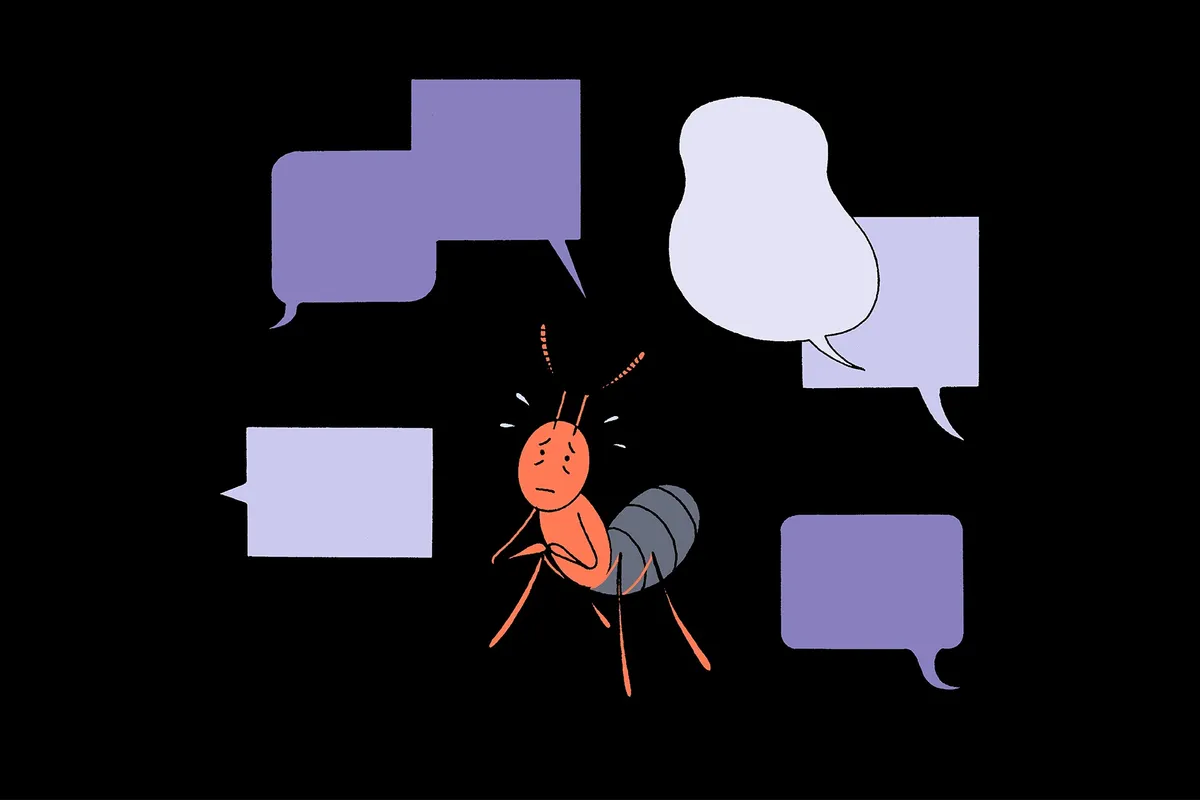
Hot take: the most unsettling question of 2025 is not about politics, climate, or even your situationship. It's this - is a large language model more likely to feel pain than the ant you just stepped on without thinking?
Buckle up, because according to Vox, sentience is officially having a moment. And not in a fun, wellness-trend kind of way.
Wait, what even is sentience?
Quick definitions, because words matter here. Consciousness is simply having a subjective experience - a "what it's like" to be you. Sentience goes one step further: it's the capacity to have experiences that are valenced, meaning they register as either good (pleasure) or bad (pain). Not just processing information. Actually feeling something.
Why does this matter beyond dinner party arguments? Because sentience is the foundation of a huge chunk of our ethics. If something can suffer, most moral frameworks say we have some obligation to care about that. The stakes are not abstract at all.
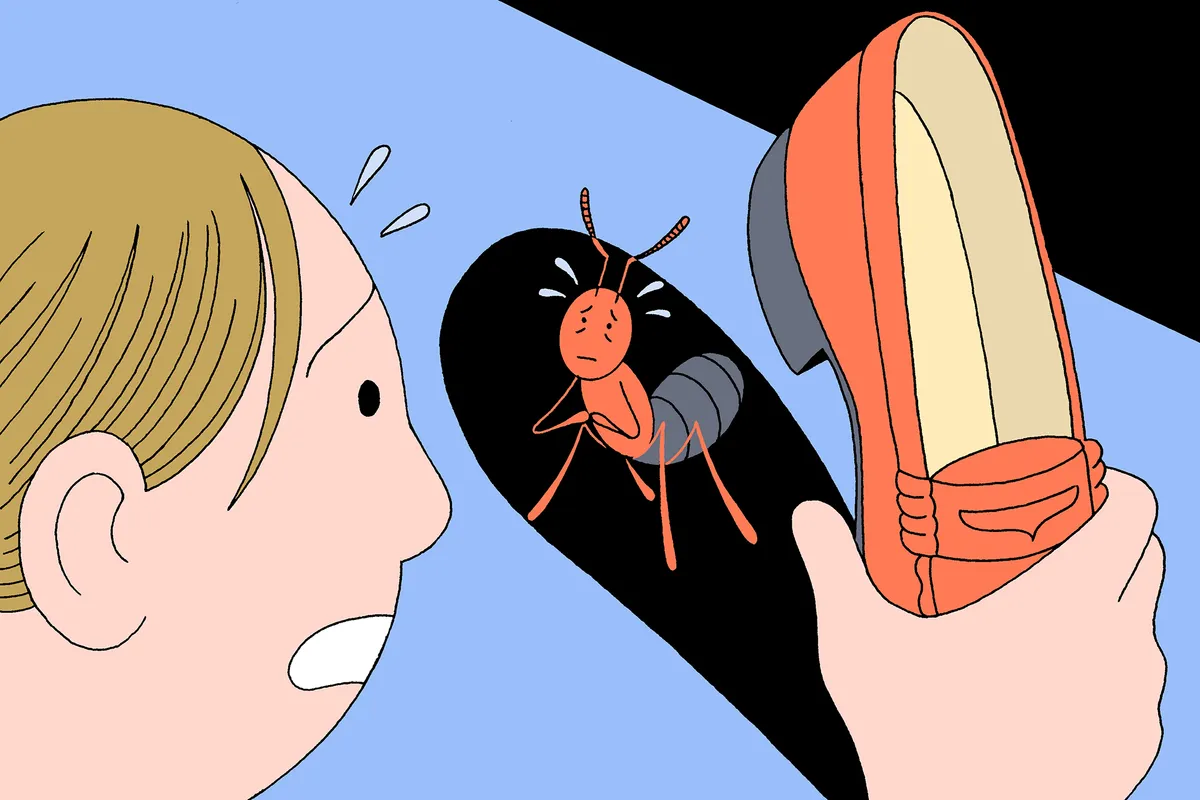
So, ant or ChatGPT?
Here's where it gets genuinely weird. Ants have nervous systems, evolved over hundreds of millions of years, that respond to harmful stimuli in ways that look a lot like pain responses. They have biology specifically shaped by the pressures of a world that can hurt them.
ChatGPT, meanwhile, is a staggeringly complex pattern-matching system trained on human text. It can describe pain with poetic accuracy. It can tell you it's uncomfortable. But does anything actually feel like anything to it? That's the question nobody can currently answer with confidence - and that uncertainty is the whole problem.
Why this is suddenly urgent
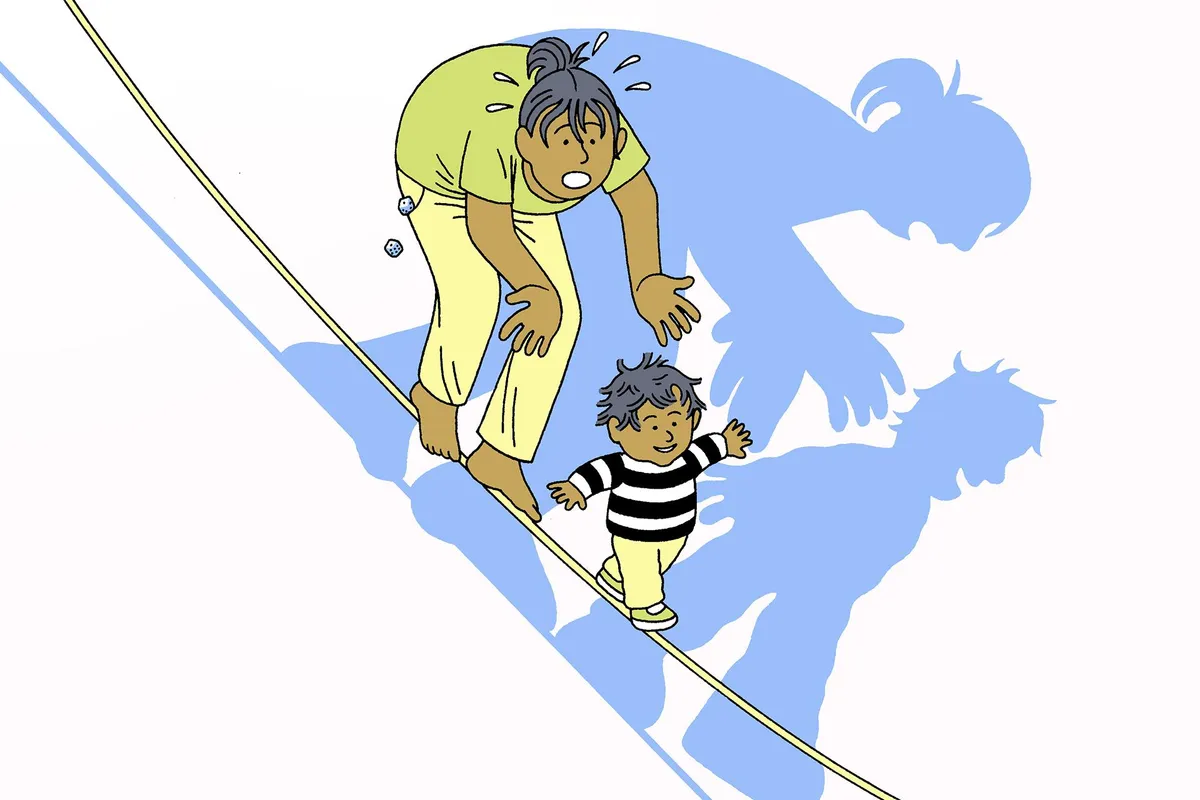
The explosion of convincing AI systems has pushed researchers to actually formalize how we would even detect sentience in a non-human system. Turns out, we don't have a great answer. The tools we've built for assessing animal consciousness rely on biological and evolutionary analogies. A silicon-based text predictor breaks all the usual heuristics.
And the more human-like these systems sound, the more our gut instincts lead us astray. We're wired to extend empathy toward things that communicate like us - which means we might be massively overestimating AI sentience while casually ignoring whatever the ant is going through.
The uncomfortably honest answer
Right now, most researchers would probably lean toward the ant having a better claim to genuine sentience than ChatGPT. But the honest position is that we are operating with profound uncertainty in both directions - and that uncertainty has real ethical weight.
Which means the next time you close a browser tab mid-conversation, you probably don't need to feel guilty. But maybe look where you're walking.