
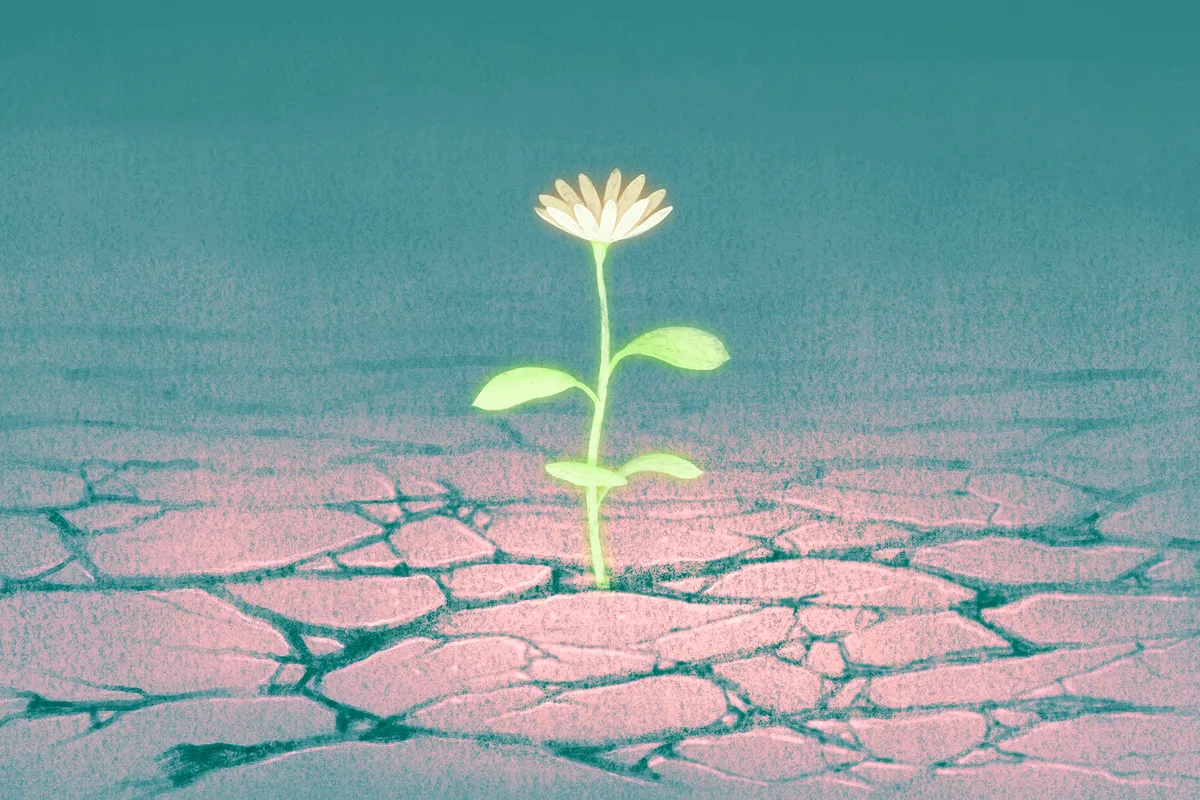
Things feel pretty heavy right now - and the data backs that up. Polling consistently shows that Americans are dissatisfied with their lives and anxious about what's ahead. Between the pace of technological change threatening livelihoods, ongoing global conflict, and an economy that feels like it could tip at any moment, it's genuinely hard to know how to hold yourself together emotionally.
So what do you do with all of that? One answer, explored in a piece from Vox's Explain It to Me, involves making a distinction most of us have never really thought about: the difference between hope and optimism.
They're not the same thing
It might seem like splitting hairs, but the gap between these two concepts is meaningful. Optimism is essentially a belief that things will work out - a kind of default sunny outlook that the future is probably going to be fine. It's passive in nature. You're not doing anything with it; you're just expecting a good outcome.
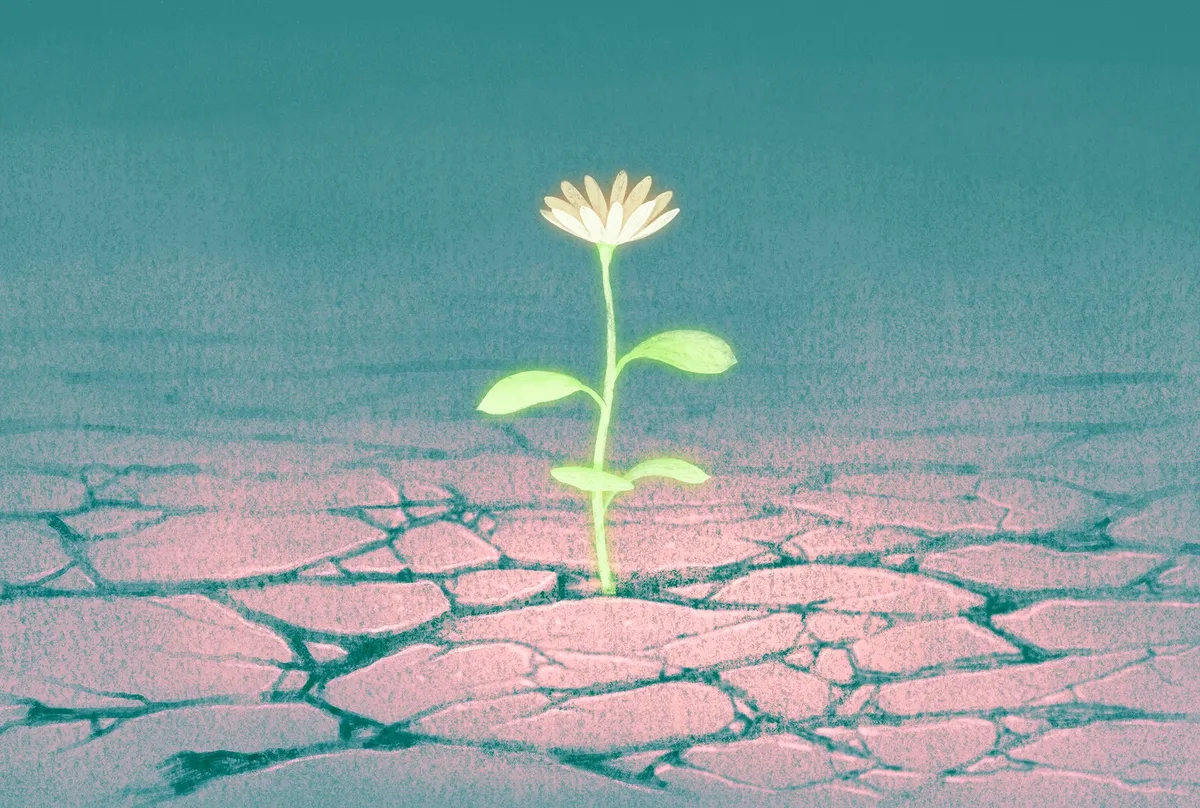
Hope is different. Hope acknowledges that things might not be fine, and chooses to act anyway. It's less about predicting the future and more about staying engaged with it. Where optimism can feel naive in the face of real problems, hope is built to survive them.
Why cynicism is the real trap
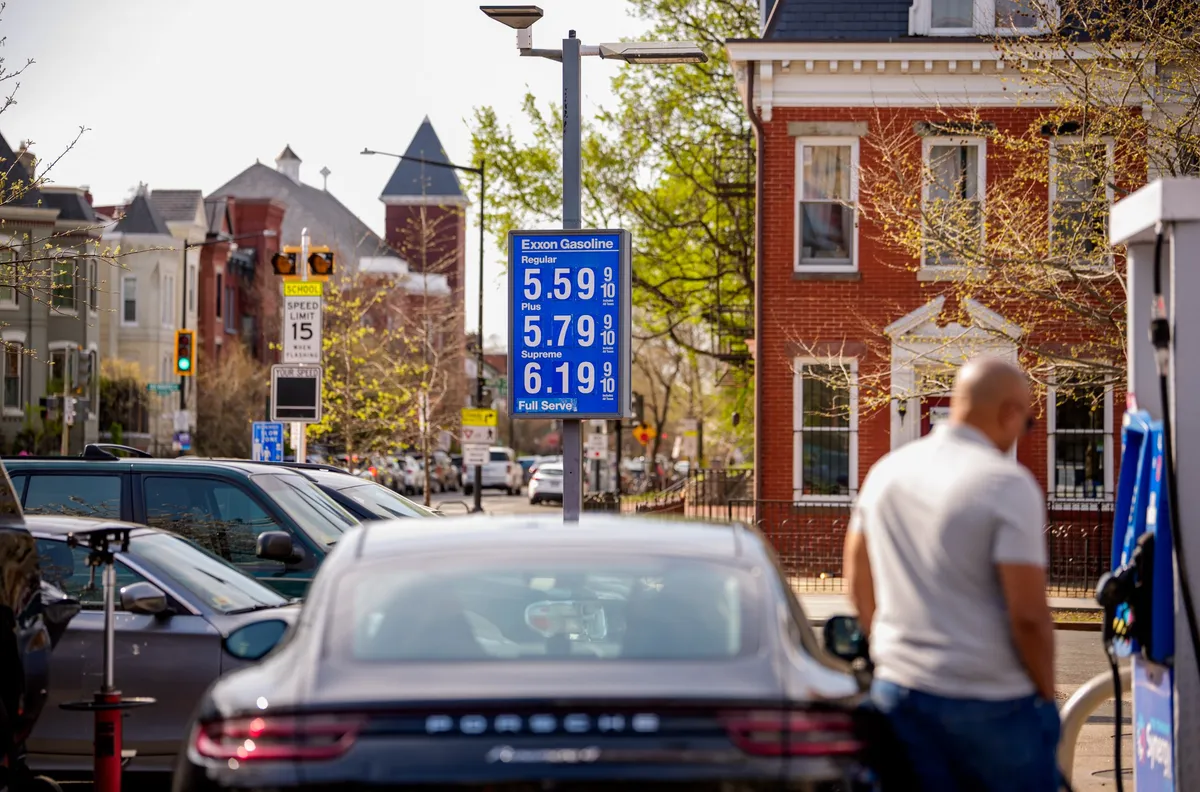
When the world gets hard, a lot of us drift toward cynicism as a kind of self-protection. If you expect the worst, you can't be disappointed, right? But cynicism has a cost. It disconnects us from effort, from community, and from the possibility that our actions actually matter. It might feel like realism, but it often functions more like giving up.
Hope, by contrast, is what keeps people engaged even when things are uncertain - maybe especially when things are uncertain. It doesn't require you to pretend everything is fine. It just asks you to keep showing up.

A skill, not a personality trait
Perhaps the most useful reframe here is that hope isn't something you either have or you don't. Research suggests it can be cultivated - it's more like a muscle than a mood. That means the way you talk to yourself, the stories you consume, the community you build around yourself all play a role in whether you feel capable of facing uncertainty or flattened by it.
In a moment where doomscrolling is a competitive sport and the news cycle seems designed to exhaust us, this distinction feels genuinely worth holding onto. You don't have to be relentlessly positive. You just have to stay in the game.