While most of us are still figuring out how to recycle correctly, a group of design graduates just casually rolled up to New Designers 2026 with zero-waste textiles, forest-inspired ceramics, and a toaster that actually considers disabled users. No big deal.
The annual showcase, widely regarded as the UK's most established graduate design platform, is doing what it does best this year - surfacing genuinely interesting work from people who haven't yet been beaten into mediocrity by the industry. And based on what Dezeen is reporting, the Class of 2026 is hitting differently.
Trash to treasure, but make it fashion
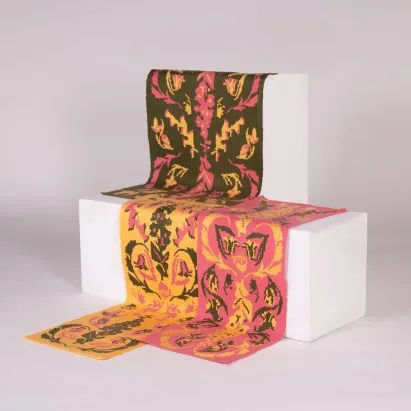
The headline grabber is a zero-waste textiles project built entirely from deadstock and second-hand yarn. For the uninitiated, deadstock is essentially surplus fabric that brands and manufacturers couldn't sell or use - the kind of stuff that quietly ends up in landfill at an industrial scale. Turning it into something intentional and beautiful is genuinely hard, and whoever pulled this off deserves a round of applause and probably a grant.
This isn't just an aesthetic statement. It's a direct challenge to an industry that produces an estimated 92 million tonnes of textile waste per year. Coming out of grad school swinging at fast fashion like that? Respect.
Cups that feel like a walk in the woods
Also featured is a ceramic cup collection informed by woodlands. Now, "inspired by nature" can go one of two ways - either it's genuinely evocative and tactile, or it's just beige with a leaf stamp on it. Given the calibre of work showing up elsewhere in this showcase, we're cautiously optimistic it leans toward the former.
There's something quietly lovely about the idea of holding a morning coffee in something that's trying to remind you trees exist. Especially in 2026, when we could all use the reminder.
A toaster for everyone (finally)
The third featured project is an accessible toaster design - and honestly, this might be the most quietly radical thing in the bunch. Kitchen appliances are one of those product categories that has been designed for a very specific type of hand, grip strength, and dexterity for decades. The fact that a grad student is asking "but what if it worked for everyone?" is the kind of obvious-in-hindsight thinking that big brands have historically been very bad at.
Accessible design shouldn't be a specialism. It should just be design. Glad someone is getting that memo early.
New Designers 2026, as featured on Dezeen, is a good reminder that the most interesting thinking in any field often comes from the people who haven't yet been told what's possible. Keep watching these graduates - and maybe hire a few of them before someone else does.