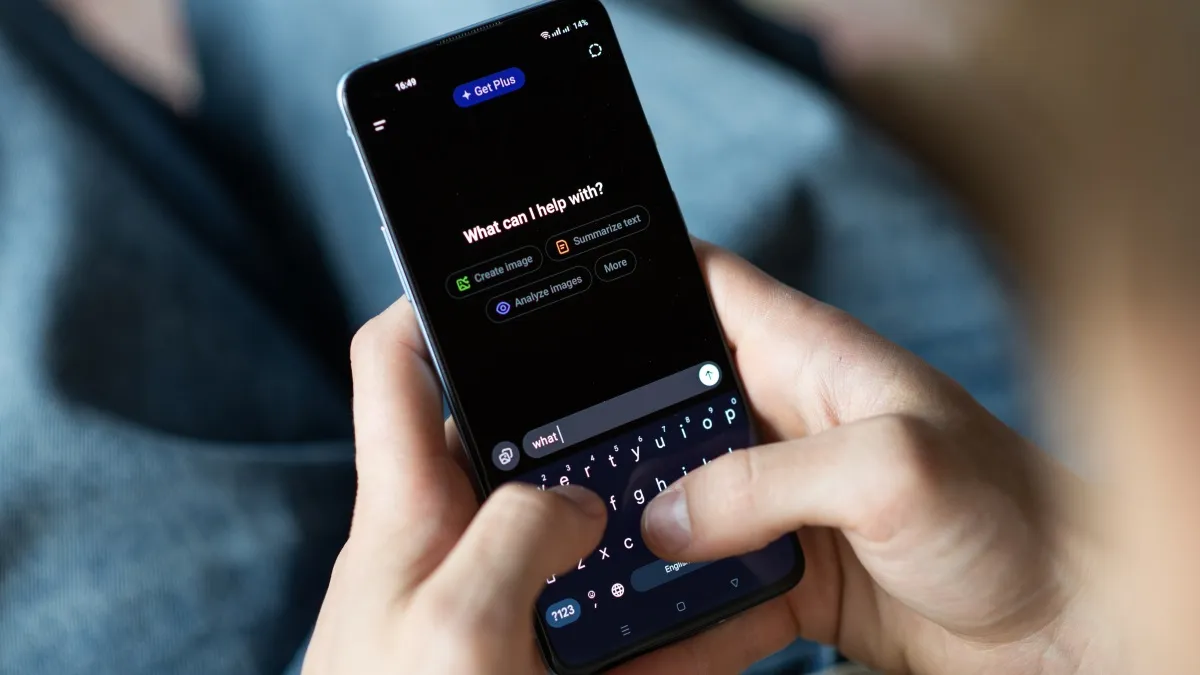
Remember when Google Gemini was just that AI chatbot you tried once and then forgot about because ChatGPT was already open in another tab? Well, Google has had enough of that narrative, thank you very much.
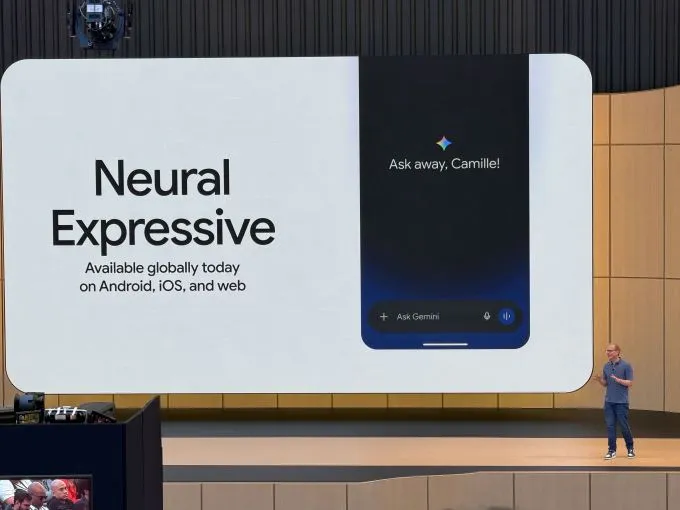
According to TechCrunch, Google has pushed out a significant update to its Gemini app, and the goal is crystal clear: stop being a chatbot and start being the AI hub. Think less "friendly assistant" and more "everything, everywhere, all at once" - but for artificial intelligence.
So what's actually changing?
The updates signal a deliberate strategic shift away from Gemini being a standalone chatbot (you know, the thing it was literally built to be) toward becoming a centralised AI platform. Google is essentially saying: why should you juggle ChatGPT, Claude, and seventeen browser extensions when you could just... use us for all of it?
It's a bold pitch. It's also a very Google pitch - the company that once tried to make Google+ happen is now betting that sheer integration muscle can win a market that OpenAI and Anthropic currently own in terms of mindshare.
Why this actually matters
Here's the thing - the AI chatbot wars are getting genuinely boring to watch from the outside. Model benchmarks, context windows, "we're 3% better at reasoning" press releases... snooze. But the race to become the platform rather than the product? That's where it gets interesting.
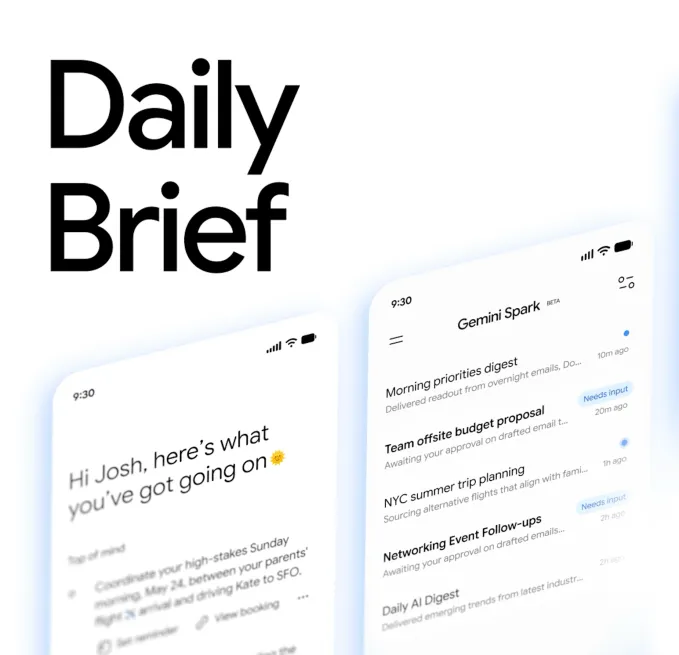
OpenAI is doing the same thing with its operator tools and GPT integrations. Anthropic's Claude is cozying up to enterprise workflows. And now Google - which has the advantage of already living inside your Gmail, your Calendar, your entire digital life - is making its move to stitch Gemini into all of that fabric.
If Google pulls this off, the question stops being "which AI chatbot should I use?" and starts being "do I even have a choice anymore?" Which is either very convenient or mildly dystopian, depending on how much you trust Mountain View with your Monday morning to-do list.
The bottom line
Google is done playing catch-up on vibes and is now trying to win on infrastructure. It might not have the cult following of ChatGPT or the enterprise cool-kid status of Claude, but it has something neither of those has: your entire Google account and a decade of your search history.
Use that information however you see fit.