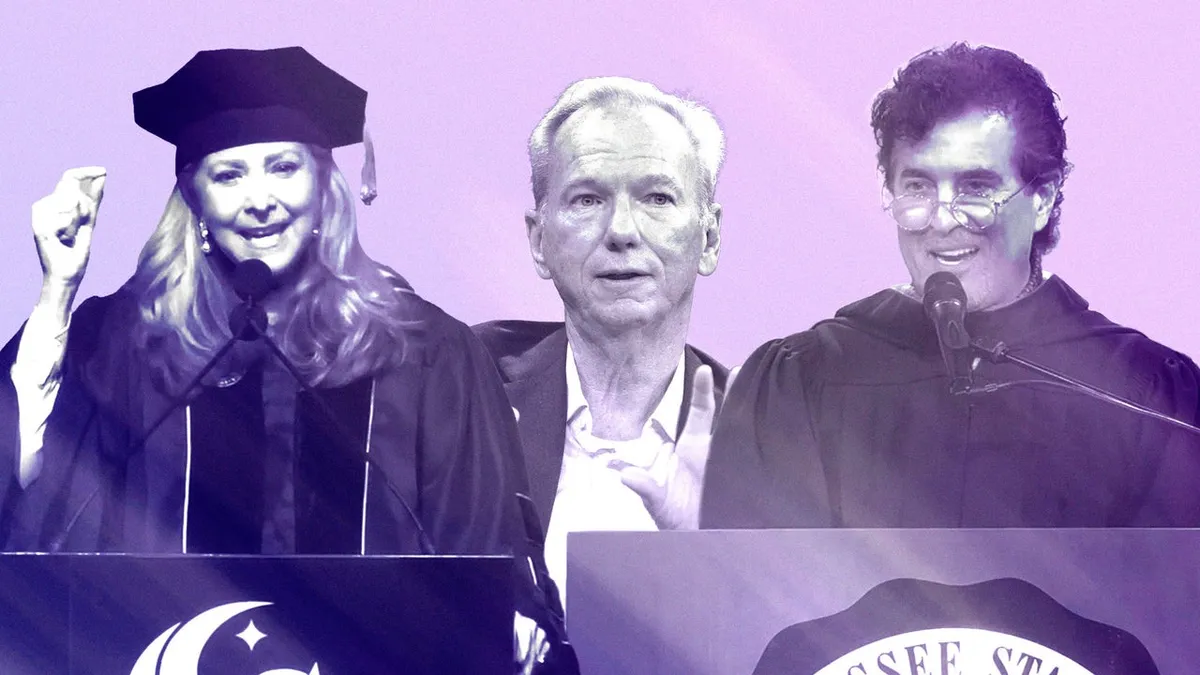
It's graduation season, which means one sacred tradition is playing out across campuses nationwide: powerful people with expensive suits standing at a podium, urging young people to "embrace disruption" while those young people quietly contemplate their student loan balances.
This year, though, something cracked. As Fast Company reports, graduates have started actively booing AI-heavy commencement speeches - and before you roll your eyes and mutter "kids these days," hear this out, because the students might actually be the smartest people in the room.
The commencement speech is its own weird genre
Think about what a commencement address actually has to do. It needs to sound profound, avoid putting 10,000 hungover people to sleep, not insult anyone, and ideally produce at least one LinkedIn-ready quote. It's basically a TED Talk with a graduation gown and significantly higher stakes.
The formula usually involves a charming personal anecdote, some light philosophy, a callback to the school's mascot, and a send-off that makes everyone feel like they're about to conquer the world. It's a delicate, time-honoured recipe.
So naturally, tech industry speakers decided to toss all that out and talk about large language models instead. Bold move.
Why the boos actually make total sense
Here's the thing - calling these students Luddites misses the point entirely. The original Luddites, by the way, weren't anti-technology idiots. They were skilled textile workers who objected to machinery being used specifically to undercut their wages and livelihoods. Sound familiar?
A graduate who just spent four (or five, no judgment) years and a genuinely terrifying amount of money earning a degree doesn't want to hear, on the day they're supposed to celebrate that achievement, that an AI tool costing twenty dollars a month might do their future job better. That's not technophobia. That's just having a pulse.
There's also something almost comedically tone-deaf about the whole setup. The people delivering these AI-is-inevitable speeches are typically very wealthy, very established, and very unlikely to have their own careers disrupted by a chatbot anytime soon. It's easy to evangelise about creative destruction when you're not the thing being destroyed.
The real story here
What the booing actually signals isn't a rejection of technology - it's a rejection of being talked at rather than talked to. Graduates aren't asking speakers to pretend AI doesn't exist. They're asking for something a commencement speech is supposed to provide: genuine human wisdom about navigating an uncertain world.
Instead, they're getting a product pitch dressed up in inspirational language. And they're calling it out in the most time-honoured way possible - with loud, sustained, beautiful audience disapproval.
Honestly, as far as critical thinking goes, that seems like exactly what a university education is supposed to produce.