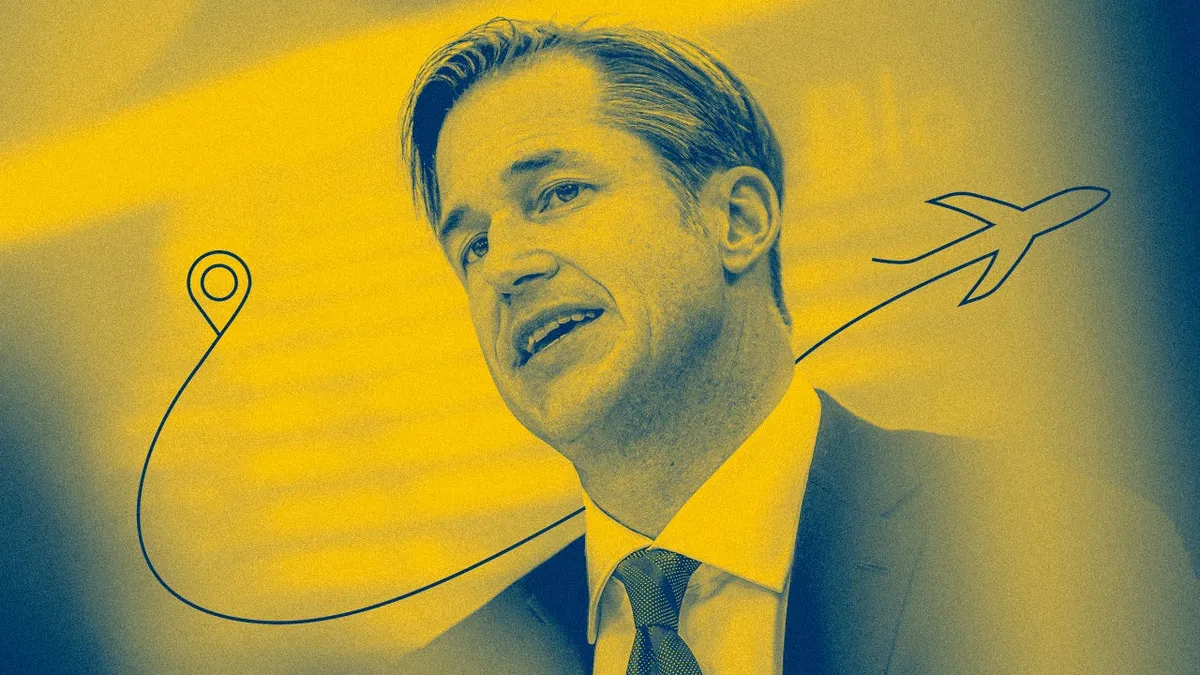
Every few years, the internet decides to completely blow up the travel industry. First came the browser, which killed the travel agent. Then smartphones arrived and made booking a flight something you could do from a toilet at 2am. Each wave promised to cut out the middleman and make everything frictionless.
But AI might be doing something weirder than all of that. It might make people stop visiting travel websites altogether.
Wait, no website? No website.
That's the uncomfortable question Expedia Group is apparently sitting with right now, according to reporting from Fast Company. When AI agents can research, compare, and book your entire trip on your behalf - without you ever opening a browser tab - what exactly is the point of a travel website?
It's a genuinely fascinating existential crisis for a company whose entire business is, well, being a travel website.
Expedia has survived pretty much every digital upheaval thrown at the travel industry. Google tried to eat their lunch with its own flight and hotel search tools. Airbnb redefined what accommodation even means. Apps replaced desktops. And yet, Expedia kept showing up.
The middleman's middleman problem
Here's the thing about AI agents: they don't browse. They don't get distracted by banner ads or click through to "top 10 hotels in Lisbon" listicles. They just... execute. Which means the entire funnel that companies like Expedia have spent decades optimising could become completely irrelevant.
The shift isn't just about user interface - it's about whether humans are in the loop at all when making travel decisions. If your AI assistant knows your preferences, your budget, and your weird insistence on aisle seats, it doesn't need to show you options. It just books.
That's either terrifying or exciting depending on how much equity you hold in online travel agencies.
So what IS Expedia's plan?
The company is reportedly getting ahead of the curve by positioning itself less as a destination and more as infrastructure - the kind of backend that AI agents tap into when they're doing the booking for you. Instead of fighting for your eyeballs, they'd be fighting for a place in the supply chain that your AI assistant trusts.
It's a pivot from "come to our website" to "we're the plumbing." Not the sexiest rebrand, admittedly. But probably the smart one.
The travel industry has always rewarded whoever controls the interface between confused human and complex logistics. For decades, that interface was a website. The question Expedia is now racing to answer is: what do you do when the interface becomes invisible?