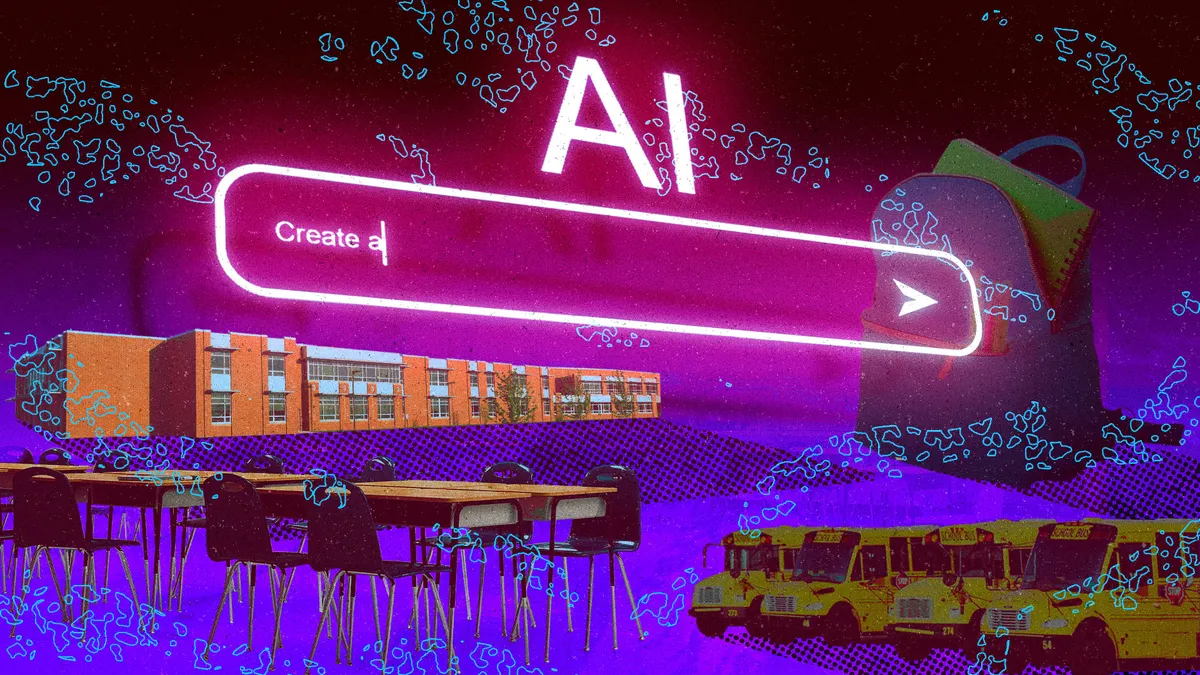
If you thought the debate over smartphones in schools was spicy, buckle up. The AI-in-classrooms argument is somehow even messier, and it involves everyone from Silicon Valley executives to suburban parents who definitely peaked in a PTA meeting.
Mashable went full journalist mode and actually surveyed the whole circus - Big Tech leaders, EdTech innovators, parents, advocates, and legislators - to figure out where everyone stands on letting artificial intelligence into K-12 classrooms. Spoiler: nobody agrees on anything, and the vibes are chaotic.
Team "let the robots in"
On one side, you've got the tech optimists. EdTech companies and Big Tech advocates are waving the flag for AI as a personalized learning revolution - a tireless digital tutor that adapts to every student's pace and never has a bad day (unlike actual teachers, who are underpaid and deserve to have bad days).
The pitch is genuinely compelling on paper. AI could theoretically help kids who fall behind, give teachers more breathing room, and democratize access to high-quality educational support regardless of zip code. That's not nothing.
Team "absolutely not"
Then there are the skeptics - and they are not quiet about it. Parents, certain advocacy groups, and a healthy chunk of legislators are raising serious red flags about data privacy, algorithmic bias, and the not-so-small question of what happens to critical thinking when a chatbot just... does the essay for you.
There's also the cheating problem, which is somehow both extremely obvious and completely unsolved. When the same tool that "helps you learn" can also write a five-paragraph essay in 11 seconds, the line between assistance and academic fraud gets very blurry very fast.
The kids are an afterthought, which is deeply on brand
What's fascinating - and a little depressing - about this whole debate is that the loudest voices tend to be adults with financial or political stakes in the outcome. The actual students navigating this stuff in real time are largely left out of the conversation.
Some school districts have gone full ban mode. Others are embracing AI tools wholesale. Most are somewhere in the middle, winging it with whatever policy their administrators could draft before the school year started.
So where does this leave us?
Honestly, in the same place we always land with technology and education: adults arguing while the world changes anyway. AI is already in classrooms whether the policy documents say so or not - students are using it, teachers are experimenting with it, and the toothpaste is firmly out of the tube.
The real question isn't "should AI be in schools" anymore. It's "who gets to decide how, and does anyone actually have a coherent plan?" Based on Mashable's survey, the answer to that second part is a very confident "sort of."