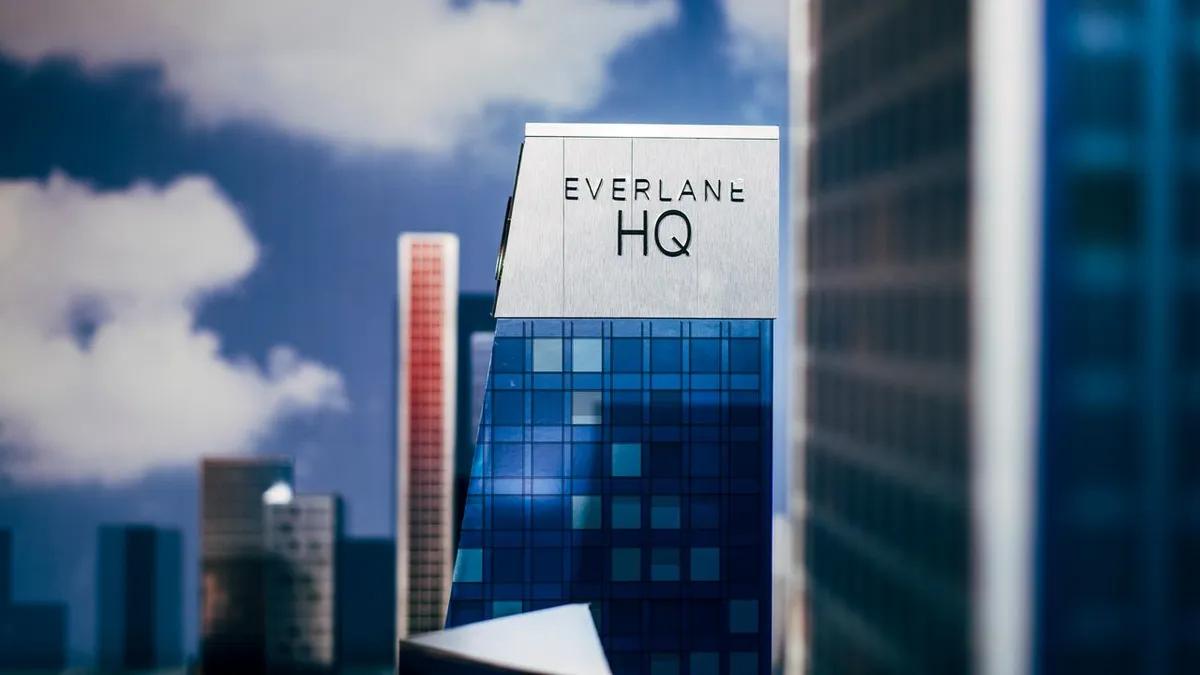
Remember Everlane? The brand that promised to show you exactly how much your t-shirt cost to make, down to the last button? The one that made you feel like a morally superior human being just for buying a $35 tee? Yeah, that Everlane just got acquired by Shein. Let that sink in for a moment.
It's the kind of plot twist that makes you want to lie face down on the floor for twenty minutes.
The dream was nice while it lasted
Back in the Obama era, Everlane felt genuinely revolutionary. "Radical transparency" was their whole thing - showing customers the real cost breakdown of every product and promising ethical factories. It was catnip for millennials who wanted to shop their values without giving up clean aesthetics. The brand rode that wave hard, becoming a poster child for what sustainable, direct-to-consumer fashion could look like.
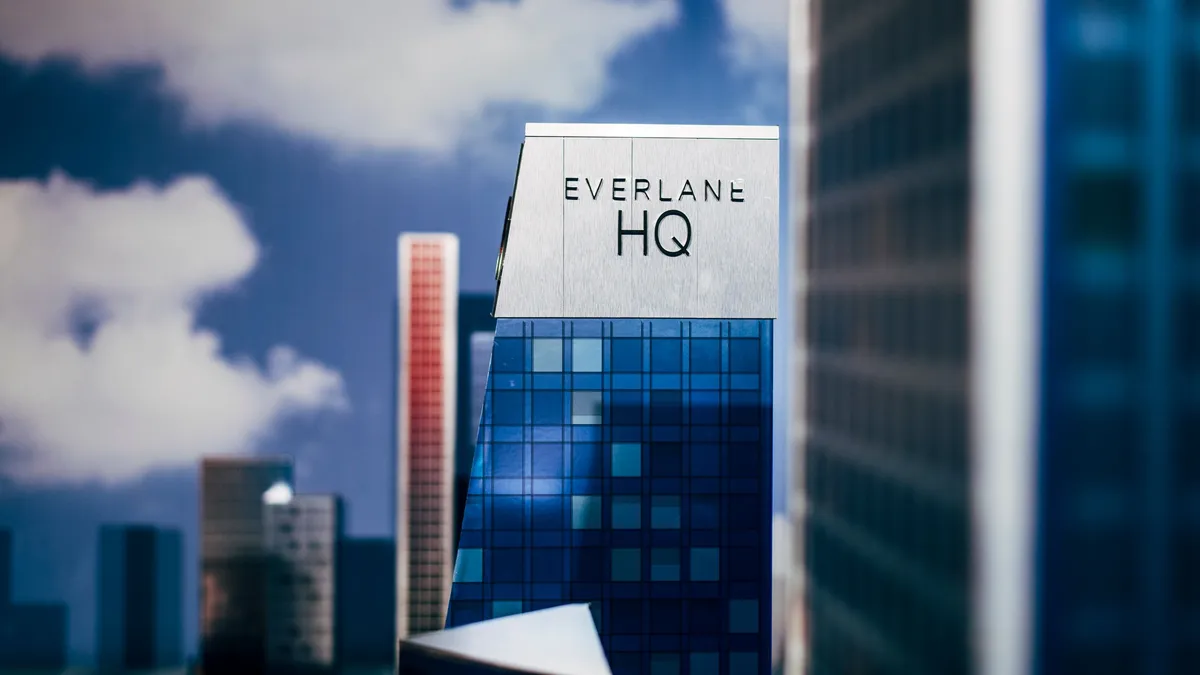
But as GQ reports, the feel-good story started unraveling well before the Shein deal. The brand faced serious allegations about its workplace culture, questions about how "radical" its transparency really was, and the slow, grinding reality that building a genuinely ethical fashion business is expensive, complicated, and very hard to scale.
Shein is basically the final boss of fast fashion
If Everlane represented fashion's hopeful "maybe we can fix this" moment, Shein represents the complete opposite end of the spectrum - a hyper-fast, ultra-cheap behemoth that produces thousands of new styles daily. The acquisition isn't just ironic. It's practically Shakespearean.
The question GQ is rightly asking - and one worth sitting with - is whether a "sustainable" fashion brand was ever really a viable long-term business model in the first place. Everlane isn't the only cautionary tale here. Allbirds, another sustainability darling, has also struggled massively to stay profitable while keeping its green credentials intact.
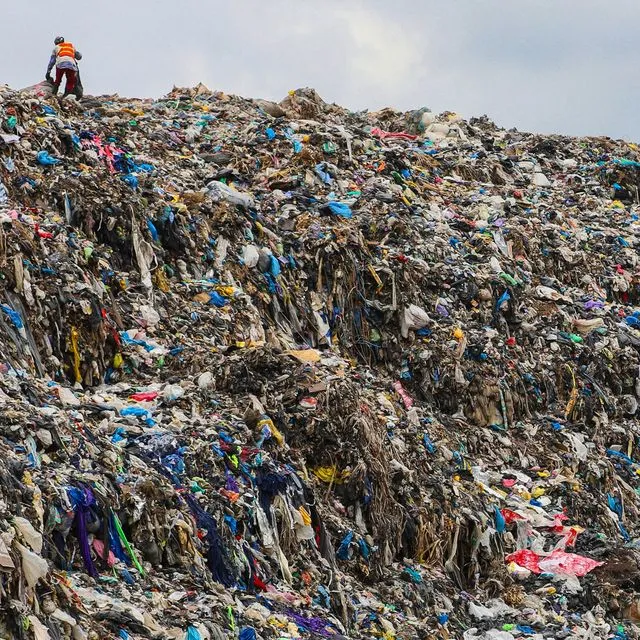
So is ethical fashion actually possible?
Here's the uncomfortable truth: making clothes in genuinely fair, environmentally responsible ways costs more money. And most of us, when faced with a $200 "ethical" hoodie versus a $15 one from a fast fashion app, quietly close the ethical hoodie tab. The market has spoken, repeatedly, and it keeps saying the same thing.
That doesn't mean sustainable fashion is dead - smaller, truly independent labels are still doing meaningful work. But the Everlane saga is a pretty brutal reminder that slapping the word "transparency" on a brand strategy is not the same as actually transforming an industry. And when the going gets tough, even the most values-forward companies are apparently just one bad quarter away from landing in Shein's shopping cart.
Oof.