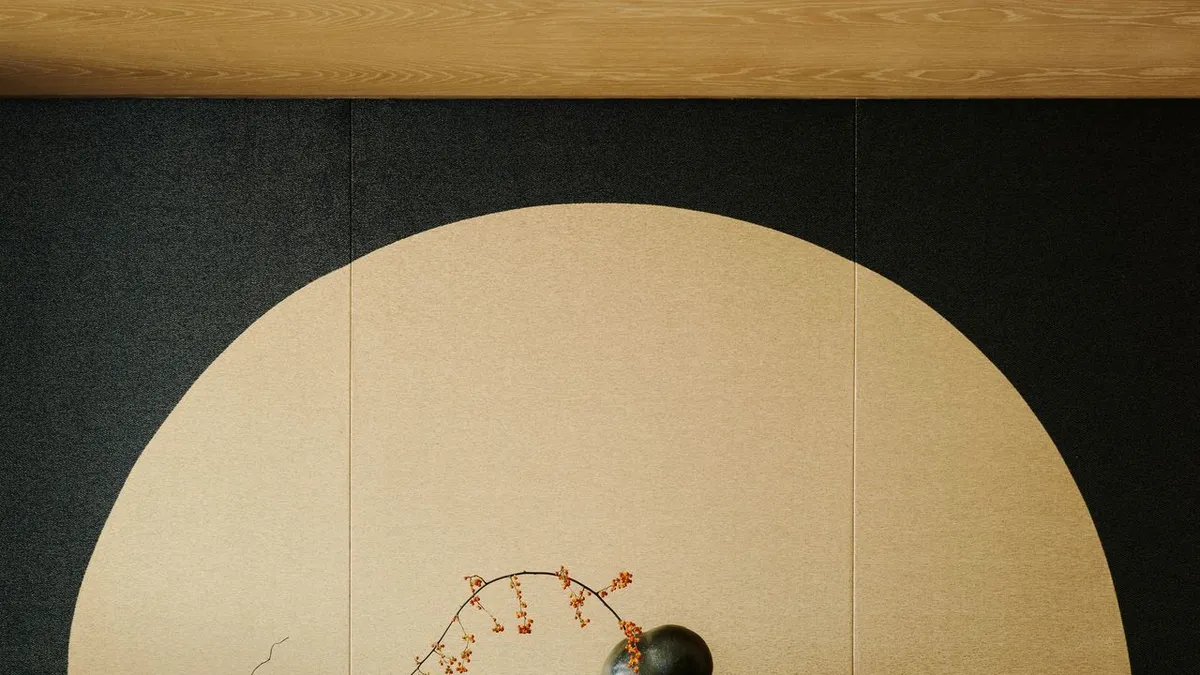
If you've ever stood in a beautifully designed space and felt inexplicably at peace without knowing why, you'll understand what Danish designer David Thulstrup is going for. His first residential project in the United States - a historic San Francisco home - is the kind of work that makes you rethink what a living space can actually feel like.
Two traditions, one coherent vision
Thulstrup, already well known in Europe for his considered, quietly luxurious approach to interiors, has brought his signature Scandinavian sensibility to California and layered it with something unexpected: a deep respect for East Asian design philosophy. The result, as reported by Architectural Digest, is a home that feels rooted in two distinct traditions without feeling divided between them.
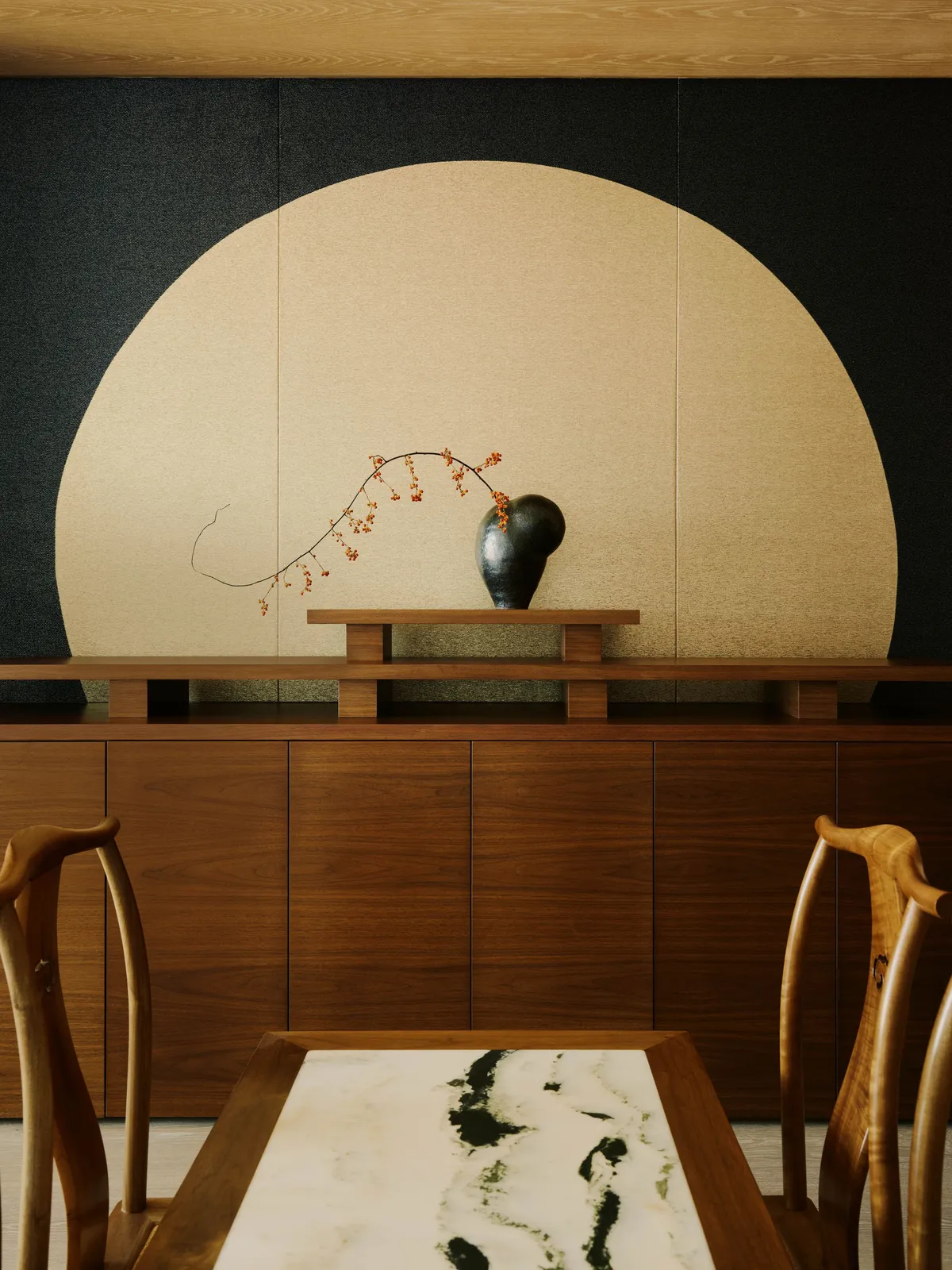
Nordic design and Zen aesthetics share more common ground than you might expect. Both prize restraint over excess, natural materials over synthetic ones, and stillness over spectacle. Thulstrup appears to have found that overlap and built an entire home around it - which is a smarter move than simply borrowing visual cues from either culture.
Why this project matters beyond the address
San Francisco's historic architecture presents a real challenge for contemporary designers. The temptation is either to preserve everything reverently (and end up with something that feels like a museum) or to gut it completely (and lose whatever made the building worth caring about in the first place). Thulstrup's approach threads that needle.
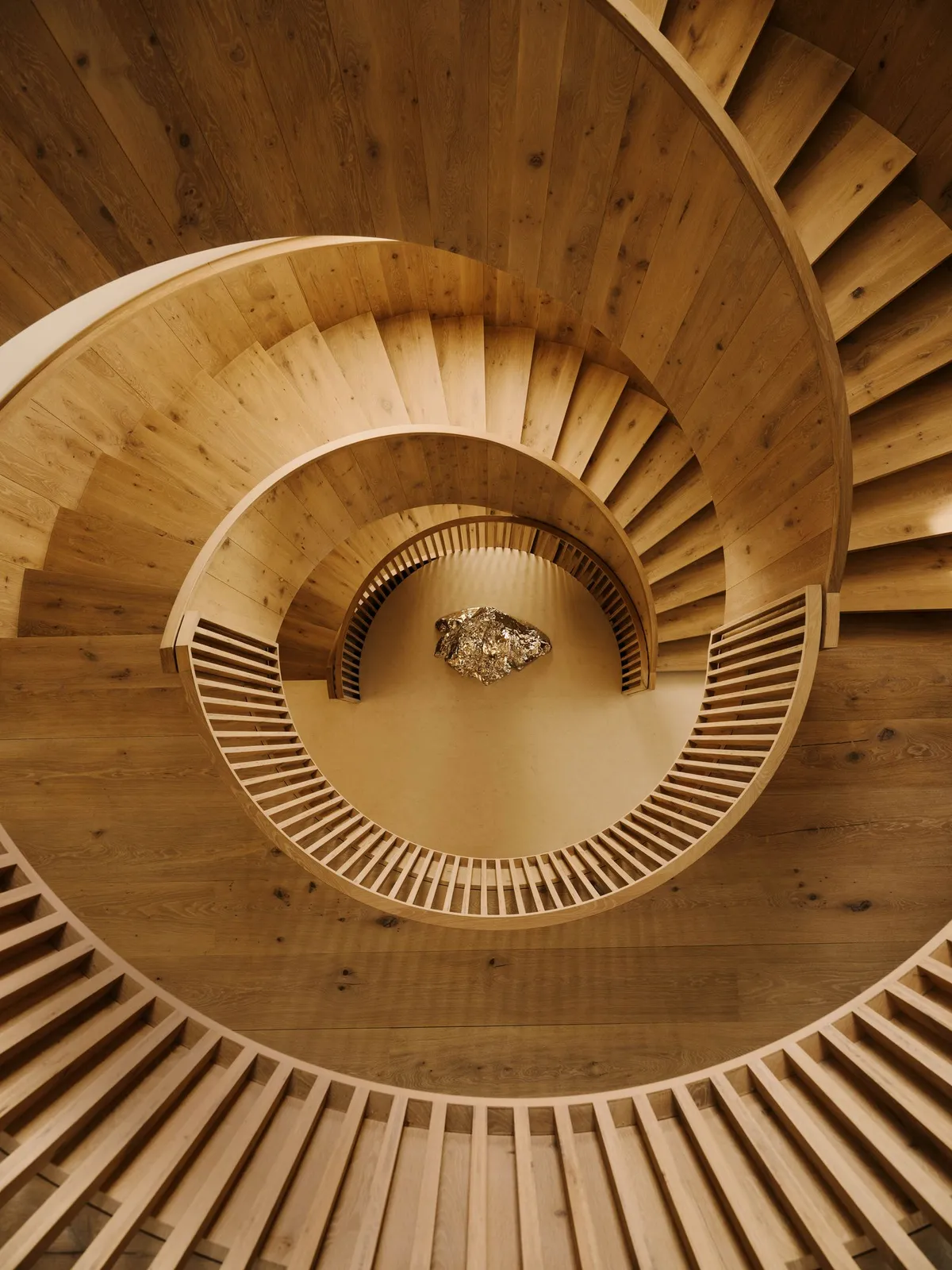
Bringing a European design voice to a storied American home while incorporating East Asian influences could easily tip into confusion. The fact that it apparently doesn't is a testament to how disciplined his process is. This isn't maximalism dressed up as minimalism - it's the real thing.
What it signals for design culture right now
There's a broader conversation happening in interiors right now about slowing down - about creating spaces that support calm rather than stimulate constant activity. Thulstrup's work fits neatly into that mood, but it doesn't feel like trend-chasing. It feels like conviction.
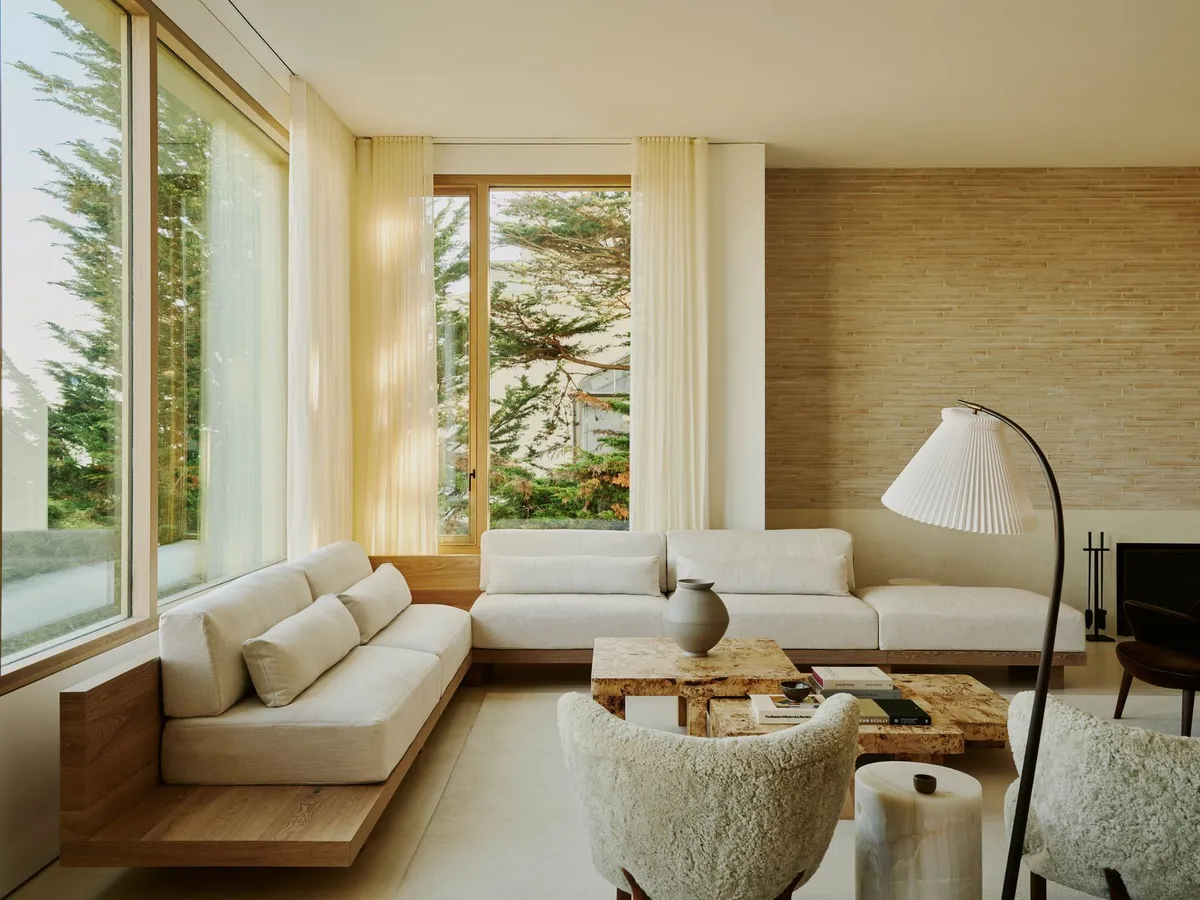
For anyone interested in how our homes can genuinely affect how we feel day to day, this project is worth paying attention to. Whether you're redesigning a room or just reconsidering your relationship with clutter, the principles Thulstrup is working with - simplicity, materiality, quiet intention - are ones most of us could use a little more of.
The full feature is available at Architectural Digest, and honestly, the images alone make it worth the click.