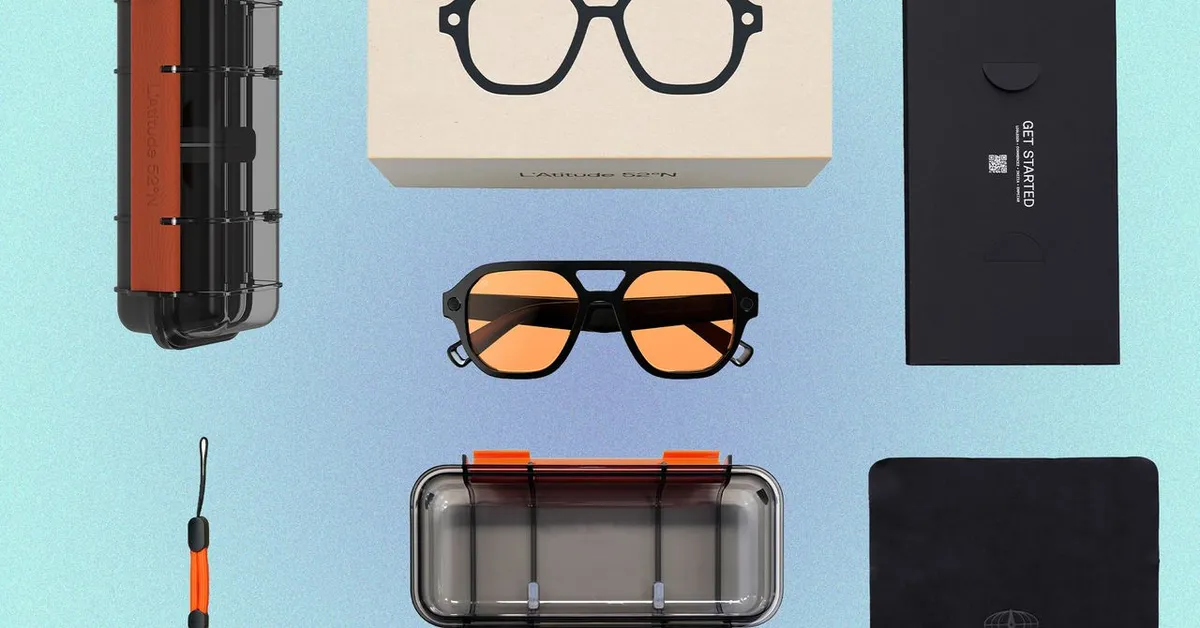
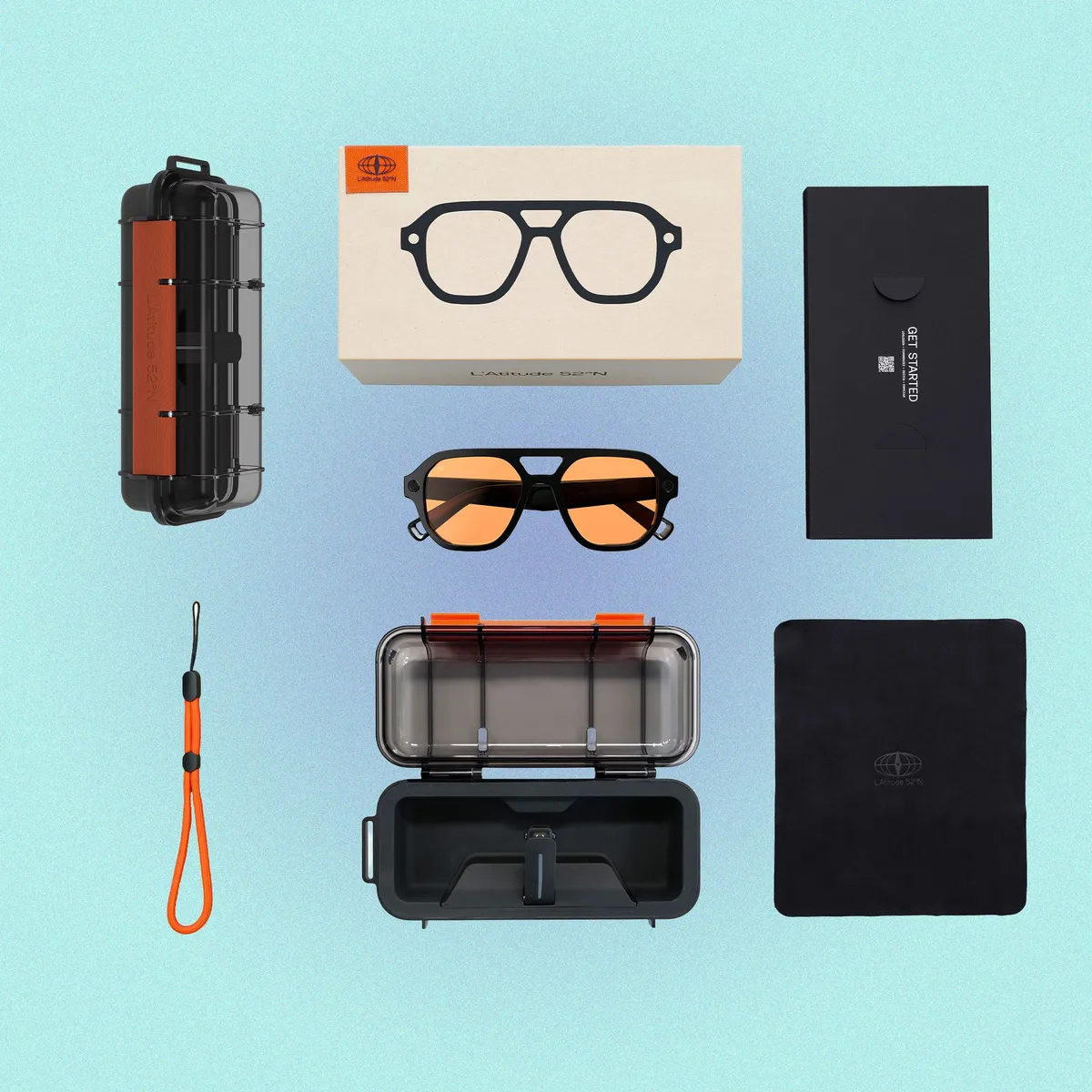
Smart glasses are having a moment. Everyone wants to be the person who looks slightly unhinged in public while secretly checking their calendar via a tiny screen hovering over their left eyeball. So when a Kickstarter campaign from L'Atitude 52°N - staffed by former OnePlus engineers, no less - showed up promising AI-powered glasses with actual hardware pedigree behind them, people got excited. Reasonably so.
But here's where it gets spicy.
The 'we'll figure it out later' business model
According to Wired, those shiny AI features you're backing? They come bundled free for one year. After that, the company hasn't actually decided what they'll charge you. Not 'we're keeping it competitive.' Not 'we'll announce pricing closer to launch.' Just... they don't know yet.
Let that sink in. You're crowdfunding a product whose ongoing cost - arguably the most important number for a subscription-dependent device - is a complete mystery. It's like buying a printer and being told ink will cost 'something, eventually, we'll get back to you.'
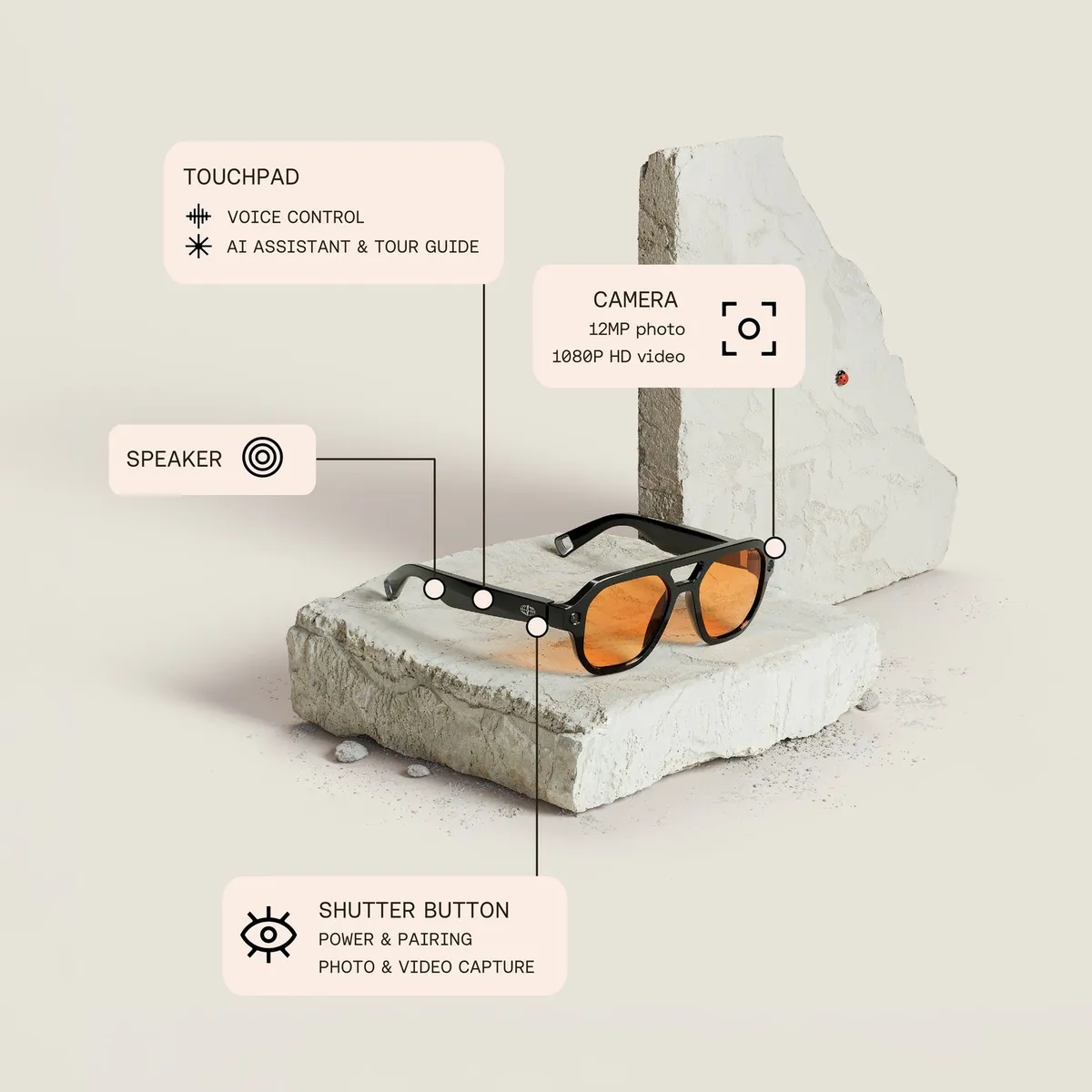
Why this matters more than you think
Smart glasses live and die by their software. The hardware is basically a delivery mechanism for the AI layer on top - the voice assistant, the contextual awareness, the stuff that makes you look like you're from the future instead of just wearing chunky frames. Strip that out or price it aggressively, and you've got a very expensive pair of glasses that do very little.
The ex-OnePlus DNA is genuinely encouraging here. OnePlus built its entire reputation on delivering premium specs at prices that made flagship brands sweat. These engineers know how to build hardware people actually want. But a Kickstarter campaign is not a finished company, and 'we'll figure out subscriptions later' is the startup equivalent of 'we'll sleep when we're dead.'
Should you back it anyway?
That depends entirely on your risk tolerance and your feelings about mystery bills arriving in your inbox twelve months from now. The tech sounds promising, the team has real credentials, and the AI features - while their long-term cost is unknown - are reportedly solid for the first year.
Just go in with eyes open. Both of them. Even if one has a tiny AI display in front of it.
The full breakdown is over at Wired, and it's worth a read before you tap that 'back this project' button.