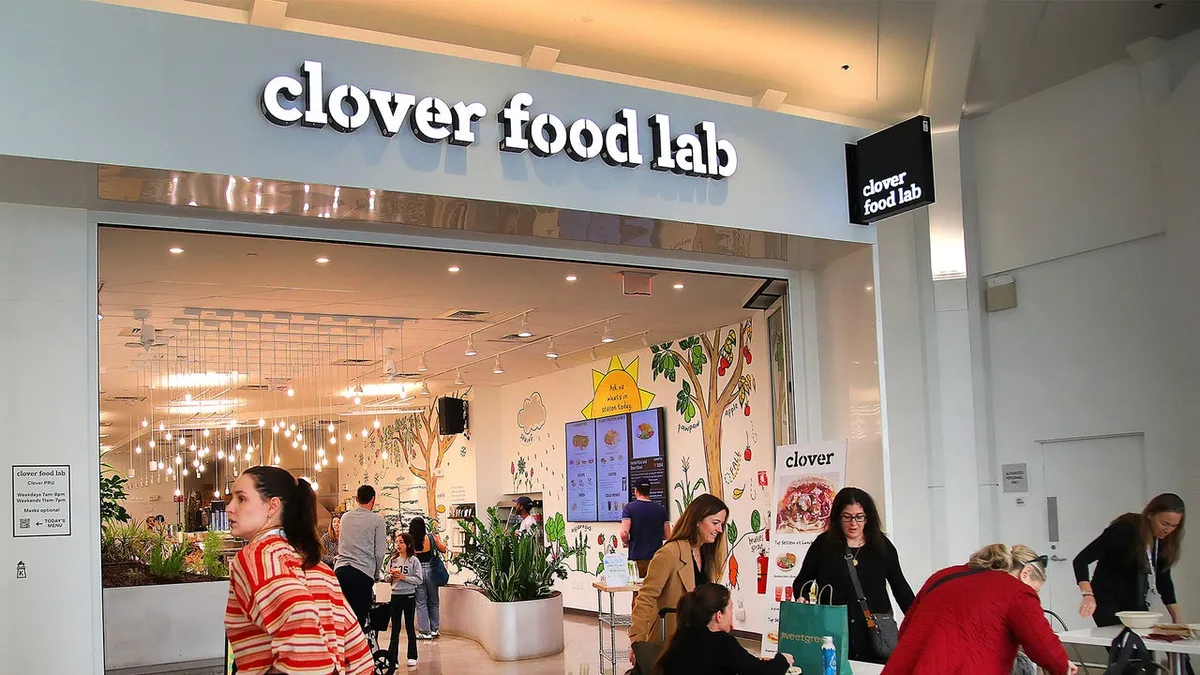
Pour one out (preferably a locally sourced cold brew) for Clover Food Lab. The beloved Boston-based vegetarian chain is officially calling it quits, closing every single one of its remaining Massachusetts locations as of May 28. Yes, that's today. Yes, it stings.
According to Fast Company, Clover wasn't just a restaurant - it was a whole ecosystem. Brick-and-mortar spots, kiosks tucked inside Whole Foods locations, a catering operation, and a meal-box delivery service. About a dozen locations in total, all gone. Just like that.
From MIT food truck to regional icon
The origin story is genuinely charming. Founder Ayr Muir - an MIT grad, naturally - launched Clover back in 2008 as a humble food truck parked near MIT's Cambridge campus. The concept was simple and quietly revolutionary for its time: farm-fresh, vegetarian food that didn't taste like a punishment. It grew into something people actually lined up for, which in the food world is basically a miracle.
For over 15 years, Clover held its ground as proof that plant-based eating could be delicious, accessible, and yes, cool - long before "plant-based" became a marketing buzzword slapped on everything from burgers to breakfast cereal.
Another one bites the dust - and it's not random
Here's where it stops being just a sad food story and starts being a canary-in-the-coal-mine moment. Clover joins a growing list of businesses buckling under what Fast Company describes as "suffocating costs." Labor, real estate, supply chain pressures - the economics of running a values-driven food business in 2025 are, to put it diplomatically, absolutely brutal.
The cruel irony? Clover was doing everything "right." Local ingredients. Ethical sourcing. A loyal customer base. A founding story straight out of a TED Talk. And it still couldn't make the numbers work.
Why this matters beyond Boston
If a scrappy, beloved, MIT-founded vegetarian institution with 17 years of goodwill behind it can't survive the current climate, it raises some genuinely uncomfortable questions about which kinds of food businesses actually can. The ones optimizing for volume and margin, not mission and味 - you know the names.
Clover earned its fanbase the hard way. Losing it isn't just a bummer for Cambridge lunch crowds. It's a signal worth paying attention to.
Rest easy, Clover. You were one of the good ones.