If you needed a single story to perfectly summarize the state of global internet freedom in 2024, congratulations - here it is, gift-wrapped in absurdity.
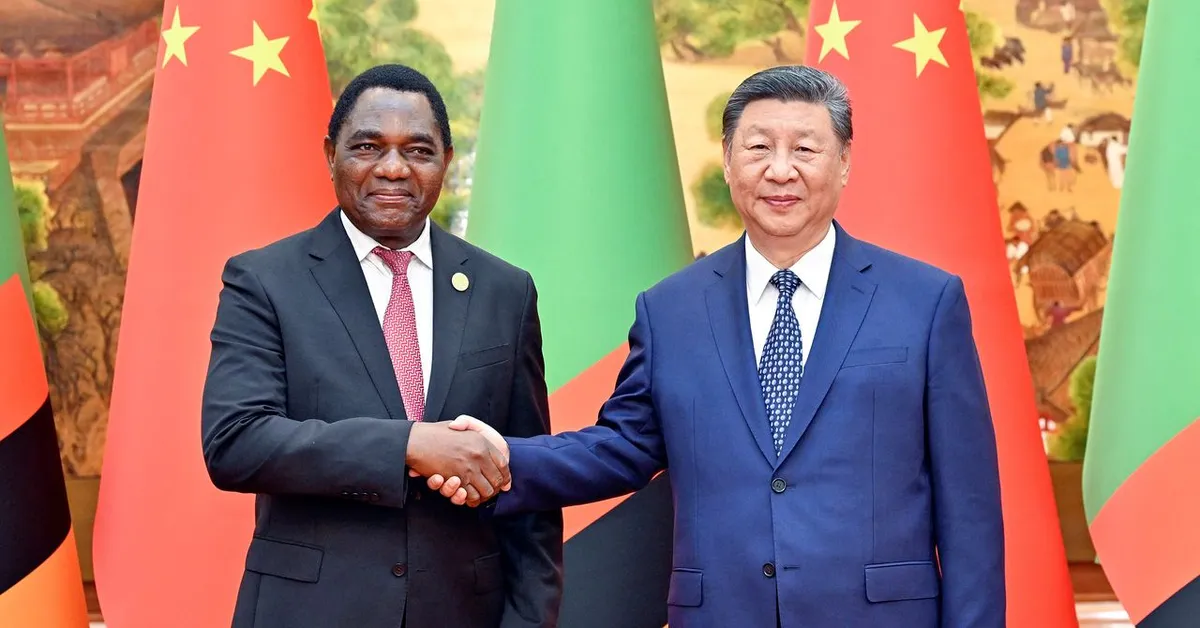
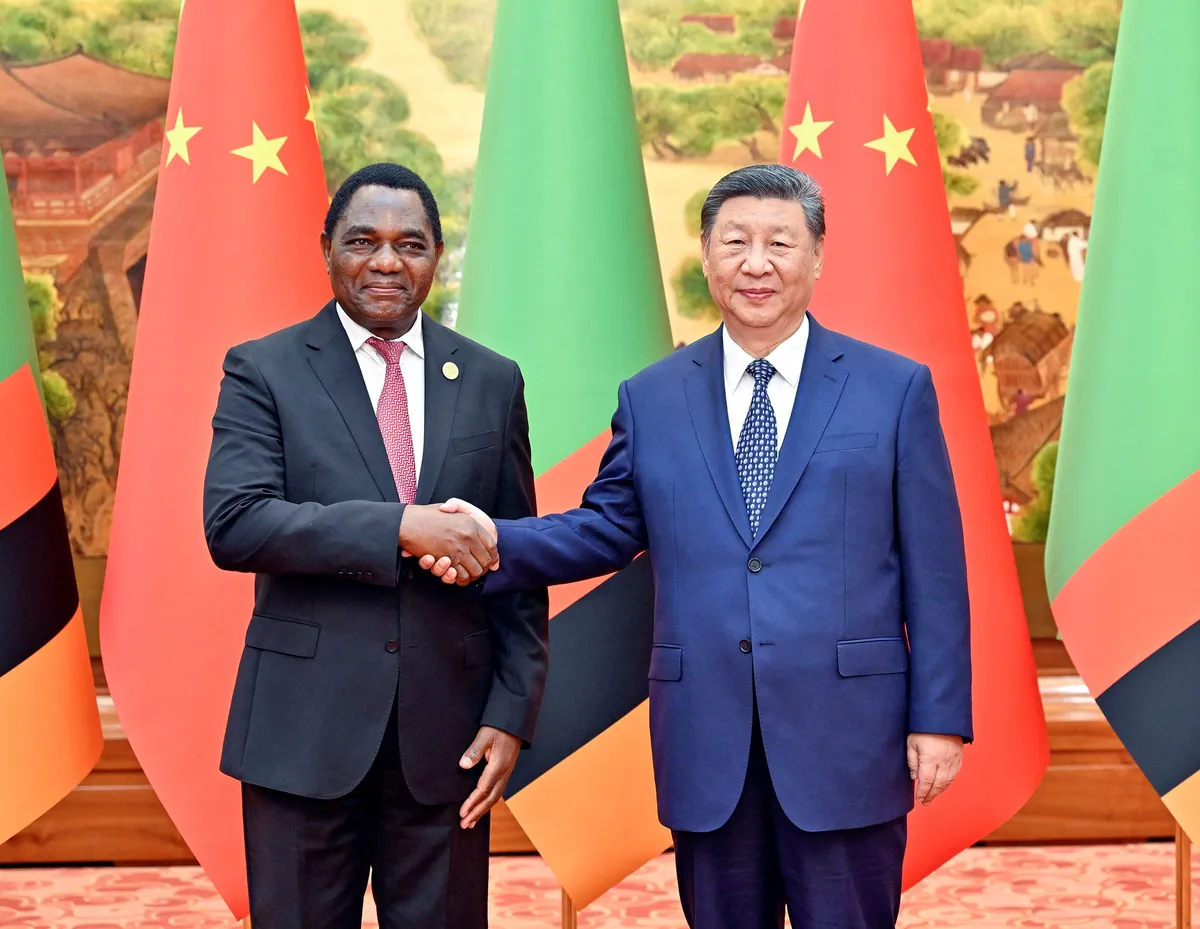
RightsCon, the world's largest conference dedicated to digital rights, has been canceled. Not because of funding issues. Not because of a scheduling conflict. Because China apparently leaned on Zambia hard enough that Zambian officials asked the organizing group, Access Now, to boot Taiwanese participants from the event entirely.
Let that sink in for a second. A conference about digital rights and internet freedom got squashed through old-fashioned political arm-twisting. The metaphor writes itself - and it's not a flattering one.
What actually happened
According to reporting by Wired, Access Now says Zambian officials made it clear: exclude Taiwan or the event doesn't happen as planned. Access Now, to their credit, refused to comply. The conference was subsequently canceled.
RightsCon is not some niche industry meetup. It brings together activists, technologists, policymakers, and journalists from around the world to discuss exactly the kind of political interference and censorship that just, well, canceled it. The conference has historically been held in locations that signal openness and commitment to civil liberties. The choice of Zambia was meant to spotlight African digital rights issues.
The bigger picture nobody wants to say out loud
This is China's so-called "One China" policy doing what it does in international spaces - quietly, persistently making Taiwan's participation in global forums a dealbreaker. What's different here is that the target wasn't a trade summit or a UN body. It was a human rights conference. That escalation is worth paying attention to.

It also puts a spotlight on the growing influence China has over African governments, where decades of infrastructure investment have translated into a very real kind of political leverage. Zambia isn't acting in a vacuum here.
What Access Now did right
The easy move for Access Now would have been to quietly uninvite Taiwanese participants, hold the conference, and hope nobody noticed. Instead they walked away from the whole thing rather than compromise the principle that digital rights are universal - not subject to veto by whichever government happens to be annoyed that week.
That's a genuinely principled stand, and in the current climate, a rare one.
The conference being canceled is a loss. But the alternative - a digital rights conference that excludes participants based on political pressure - would have been something much worse. It would have been a digital rights conference that proved its critics right.