If you've ever had the sneaking suspicion that prices feel oddly high everywhere you shop online - not just on Amazon - a newly released legal document might explain why.
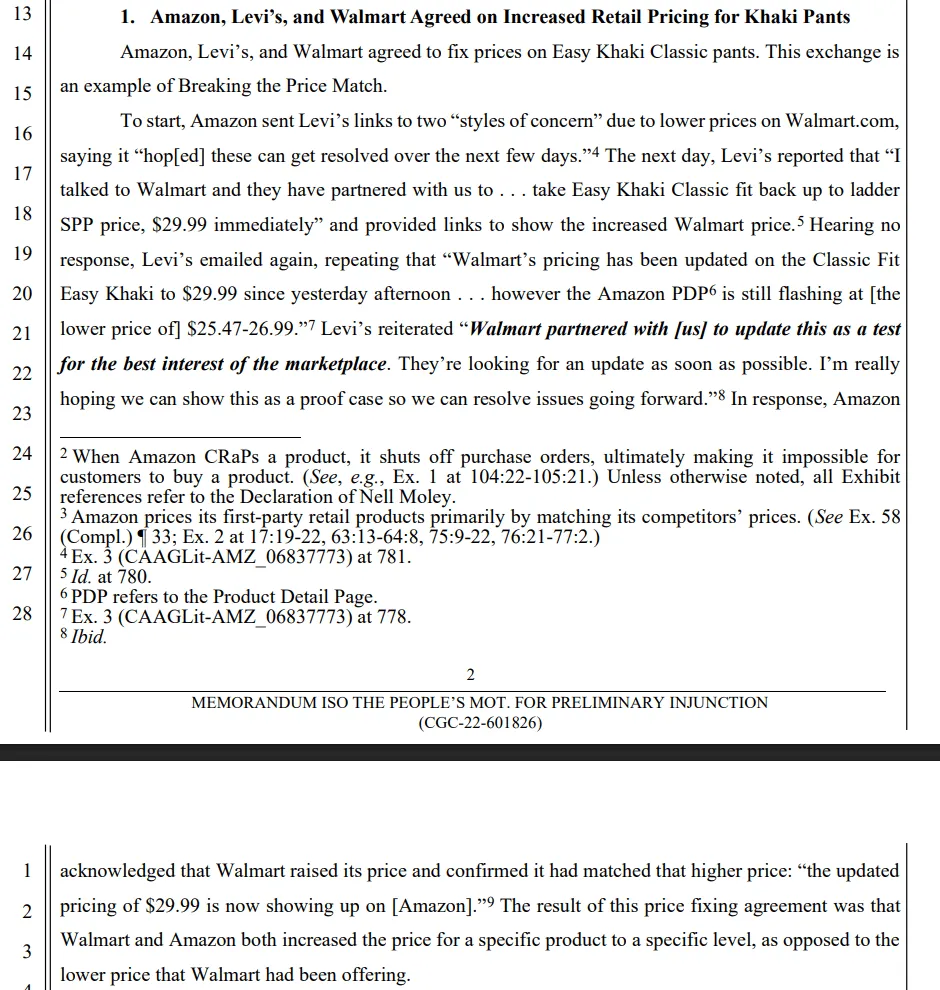
California Attorney General Rob Bonta this week made public a 16-page filing that lays out the state's case against Amazon in striking detail. The document, described as largely unredacted, was originally submitted to the Supreme Court in February as part of a request for a preliminary injunction against the company. The underlying lawsuit dates back to 2022, and what's now on the table is a specific, evidence-backed account of how Amazon allegedly coordinated to inflate prices - not just on its own site, but across competing retailers too.

How the alleged scheme worked
According to the filing, as reported by The Verge, Amazon allegedly worked to raise prices at rival retailers in the lead-up to high-traffic shopping events like Prime Day. The idea, as the state presents it, is that Amazon used its enormous market power to pressure vendors into keeping prices elsewhere artificially elevated - effectively making sure that deals on Amazon looked like deals, even when they weren't necessarily the best prices in a fair market.
It's a particularly clever form of alleged manipulation because it operates in the background. Shoppers aren't necessarily seeing Amazon raise its own prices. Instead, the competition just... stops being competitive. You check a few other sites, the prices look similar or worse, and you head back to Amazon feeling like you made the smart choice.
Why this matters beyond the courtroom
Price-fixing allegations against big tech and retail platforms aren't new, but the level of detail California is putting forward here is notable. Making the filing largely unredacted is a deliberate move - it signals confidence in the evidence and puts pressure on Amazon publicly, not just legally.
For everyday shoppers, the implications are real. If the state's case holds up, it suggests that the competitive pricing we assume exists online may be more manufactured than genuine. The whole appeal of e-commerce was supposed to be transparency and competition driving prices down. If one dominant platform can effectively set a price floor across the internet, that promise starts to look pretty hollow.
Amazon has consistently denied wrongdoing in this case. The lawsuit continues, and the request for a preliminary injunction means California is pushing to change Amazon's behavior now, before any final ruling.
It's worth watching how this one unfolds - because if California succeeds, it could reshape how the biggest players in retail are allowed to operate, well beyond state lines.