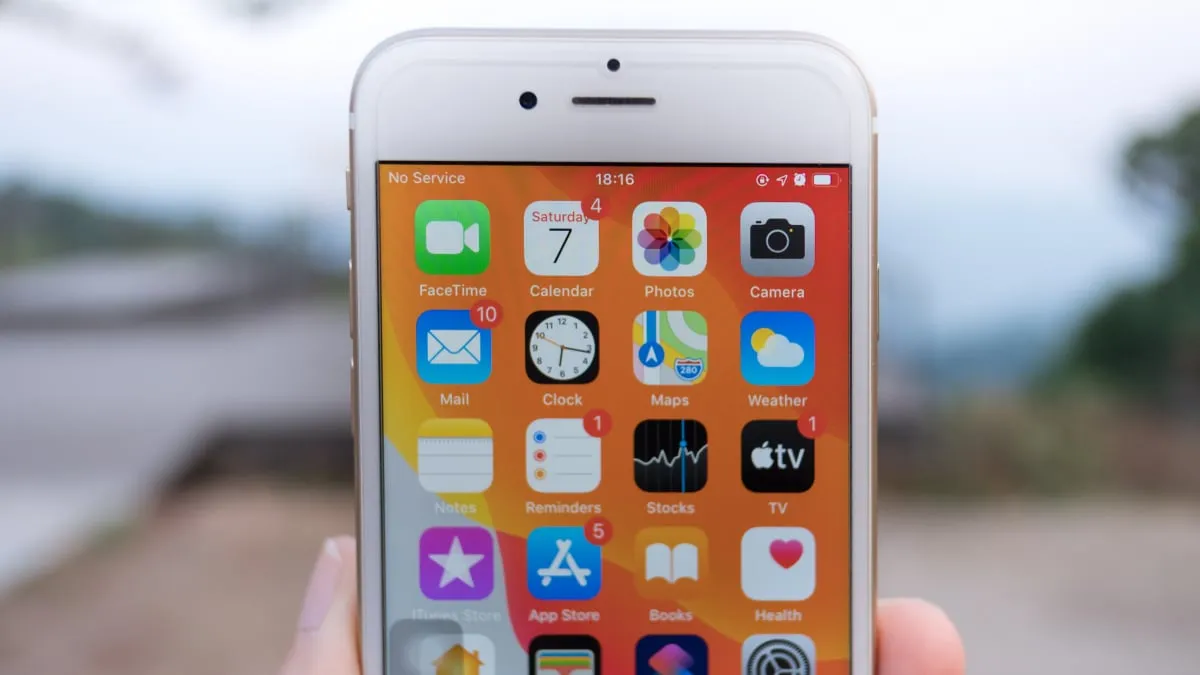
You're driving through rural nowhere, your GPS is spinning like a casino slot machine, and your phone is displaying that soul-crushing 'No Service' message. We've all been there. Well, apparently AT&T, T-Mobile, and Verizon have heard your screams into the void - possibly because the void finally had signal - and they're promising to nearly eliminate dead zones across the United States.
Nearly. That word again.
Look, credit where it's due: the fact that America's big three carriers are aligned on anything is genuinely newsworthy. These are companies that spend billions of dollars each year telling you the other guys are terrible. And yet here they are, reportedly united in the goal of dramatically reducing coverage gaps across the country, according to reporting from Lifehacker.
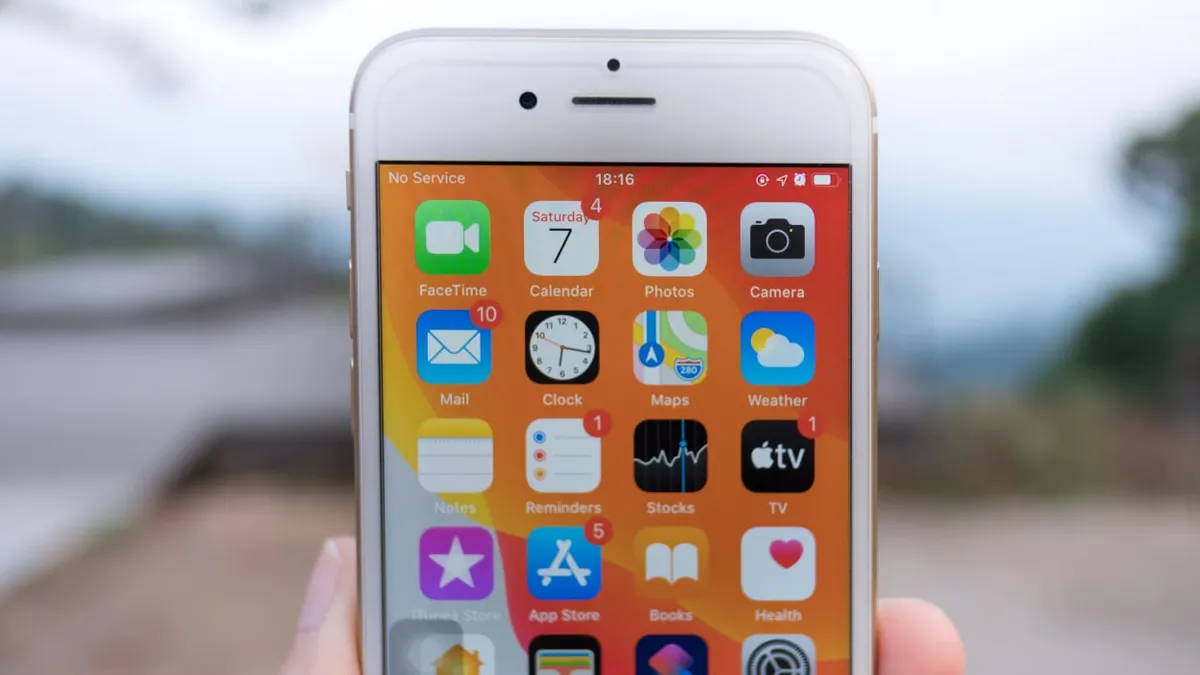
But let's talk about that qualifier. 'Nearly eliminate' is the kind of language that lawyers, politicians, and people who didn't quite finish their homework have used since the dawn of civilization. It's a promise that comes pre-loaded with an escape hatch. Nearly is not 'completely.' Nearly is not 'actually.' Nearly is your friend saying they'll 'probably' show up to help you move apartments.
Why this actually matters though
Cynicism aside, dead zones are a genuinely serious problem. This isn't just about not being able to stream podcasts on a road trip. Dead zones affect emergency services, remote workers, farmers, and anyone living in rural America who has basically been treated like an afterthought by the telecom industry for decades.

If the big three actually follow through - and that's a significant if - the ripple effects could be enormous. Think better emergency response times, more viable remote work from less populated areas, and fewer instances of people getting tragically, comically lost because Google Maps gave up on them somewhere in Wyoming.
So should you get excited?
Cautiously, maybe. The carriers have the technology to make meaningful progress here, particularly through satellite-assisted connectivity, which has been quietly getting very good very fast. T-Mobile has already been experimenting with satellite-to-phone coverage through its partnership with SpaceX's Starlink.
But announcements and actual infrastructure rollout are two very different animals. The history of telecom promises is littered with coverage maps that looked fantastic and real-world experiences that absolutely did not.
Still, if this initiative has any teeth, it could be one of the more meaningful quality-of-life improvements for millions of Americans who've been stuck in the connectivity dark ages. We'll be watching - assuming we have signal.