
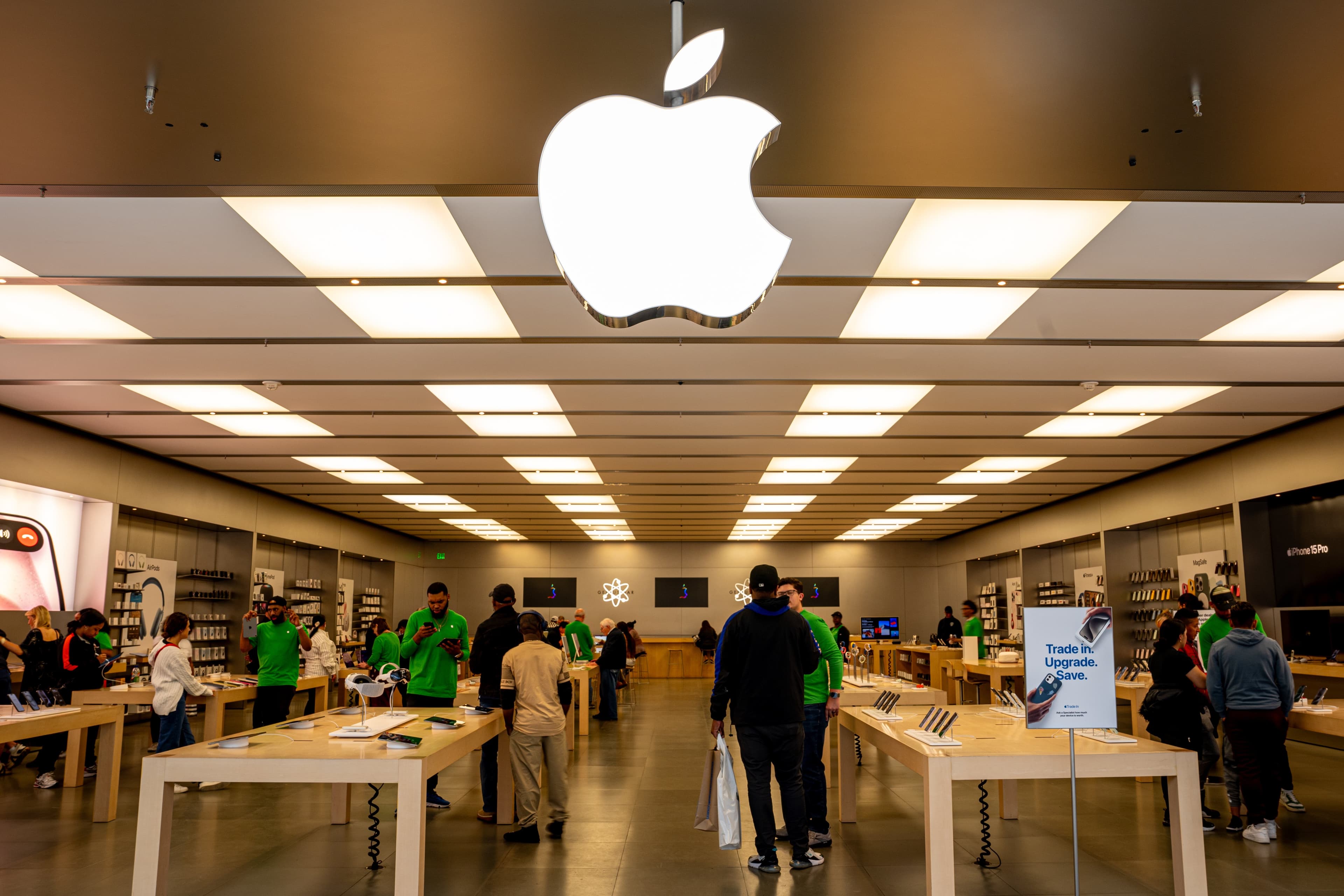
Apple is shutting down three of its retail locations, and one of them carries a bit of symbolic weight: it's the company's first store to have successfully unionized. The closures, reported by Mashable, are part of a broader strategic shift away from mall-based retail.
Why this matters beyond the headlines
On the surface, closing a few stores sounds like routine business housekeeping. But when one of those stores happens to be a landmark in Apple's labor history, it's hard not to read a little deeper into the move.
The store in question was a milestone for workers who pushed back against one of the most powerful companies on the planet. Its closure doesn't necessarily signal anything sinister - retail footprints shrink and evolve all the time - but it does close a chapter that felt significant to a lot of people watching the labor movement in the tech world.
The bigger picture: Apple's mall exit strategy
Apple framing these closures as part of a shift away from malls tracks with what we've seen across retail more broadly. Mall traffic has been declining for years, and plenty of brands have been quietly pulling back from traditional shopping center locations in favor of standalone stores, high-street spots, or simply leaning harder into online sales.
For Apple, which has long treated its retail spaces as brand experiences rather than just shops, the location matters enormously. A buzzy flagship on a busy urban street does something a mid-tier mall anchor simply can't anymore.
What it means for workers
Three store closures means job losses, and that's always worth acknowledging plainly. For employees at the unionized location specifically, it adds a complicated layer - the work that went into organizing doesn't disappear, but the store that represented it will.
Whether this accelerates or chills unionization efforts at other Apple stores is genuinely hard to predict. Workers and labor advocates will be watching closely to see how Apple handles the transition for affected staff.
Retail is always evolving, and Apple is clearly thinking carefully about where and how it wants to show up in the physical world. But the closure of its first unionized store is the kind of detail that tends to stick around in the conversation - whether Apple wants it to or not.


