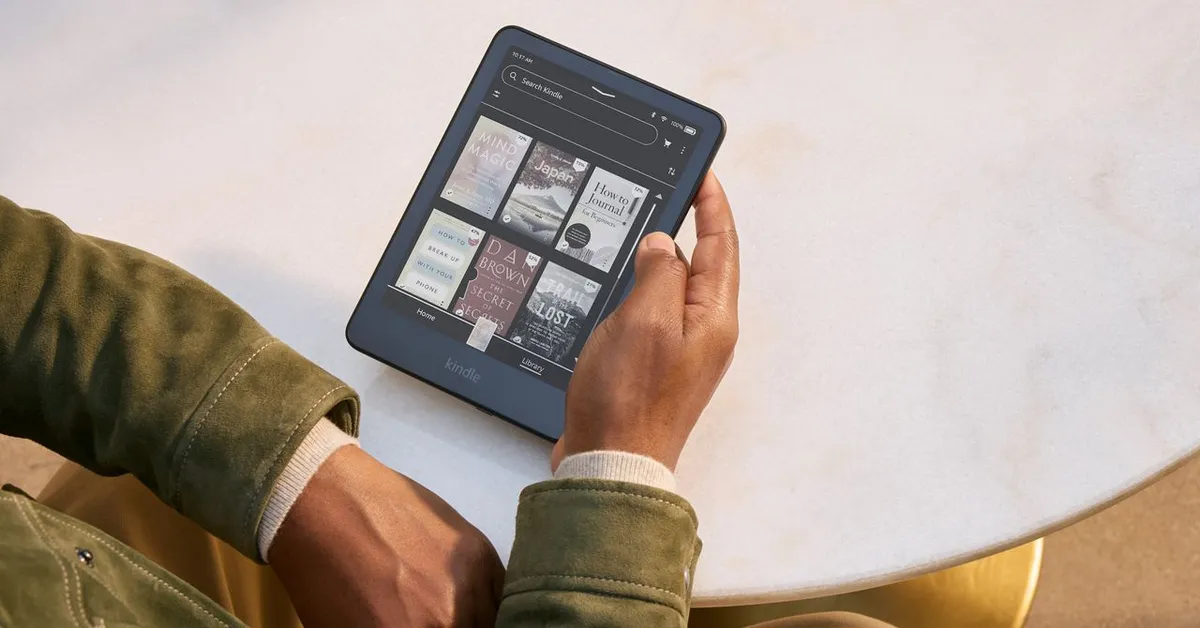
There's a particular kind of frustration that comes from being told a device you love - one that still works perfectly - is being left behind. Kindle owners are feeling that frustration right now, and they're making it known.
Amazon has announced plans to end support for a number of older Kindle models, and the response from users has been anything but quiet. According to Mashable, longtime Kindle owners say they're fed up with being pushed toward an upgrade for a device they've happily used for over a decade.

Why people are so attached to their old Kindles
Here's the thing: a Kindle isn't like a smartphone. People don't swap them out every two years chasing new features. The whole appeal is that a good e-reader just works - the battery lasts weeks, the screen is easy on the eyes, and the thing is basically indestructible. When a device earns that kind of loyalty, being told it's now obsolete feels like a betrayal.
For a lot of users, these aren't dusty old gadgets sitting in a drawer. They're daily companions that have survived beach trips, commutes, and years of bedtime reading. The idea of replacing something that still functions perfectly is understandably annoying - especially when the motivation appears to be Amazon nudging customers toward a new purchase rather than any real technical necessity.
The bigger picture here
The backlash taps into a growing conversation about right to repair, product longevity, and what we actually own when we buy a device tied to a corporate ecosystem. When Amazon controls both the hardware and the content library, they hold a lot of power over what your device can and can't do - and for how long.
It's also worth noting the environmental angle. Pushing people to replace functional electronics contributes to e-waste, which is already a massive global problem. Consumers are increasingly aware of this, and it adds another layer of frustration to what might otherwise seem like a routine tech support decision.
What this means for you
If you're a Kindle user, it's worth checking whether your model is on Amazon's affected list. And if you're in the market for an e-reader - or any connected device, really - this is a good reminder to think about long-term support when making a purchase. How long does the company typically back their products? What happens to your library if the ecosystem changes?
Loyalty to a product should, ideally, go both ways. Kindle owners clearly held up their end of the deal.