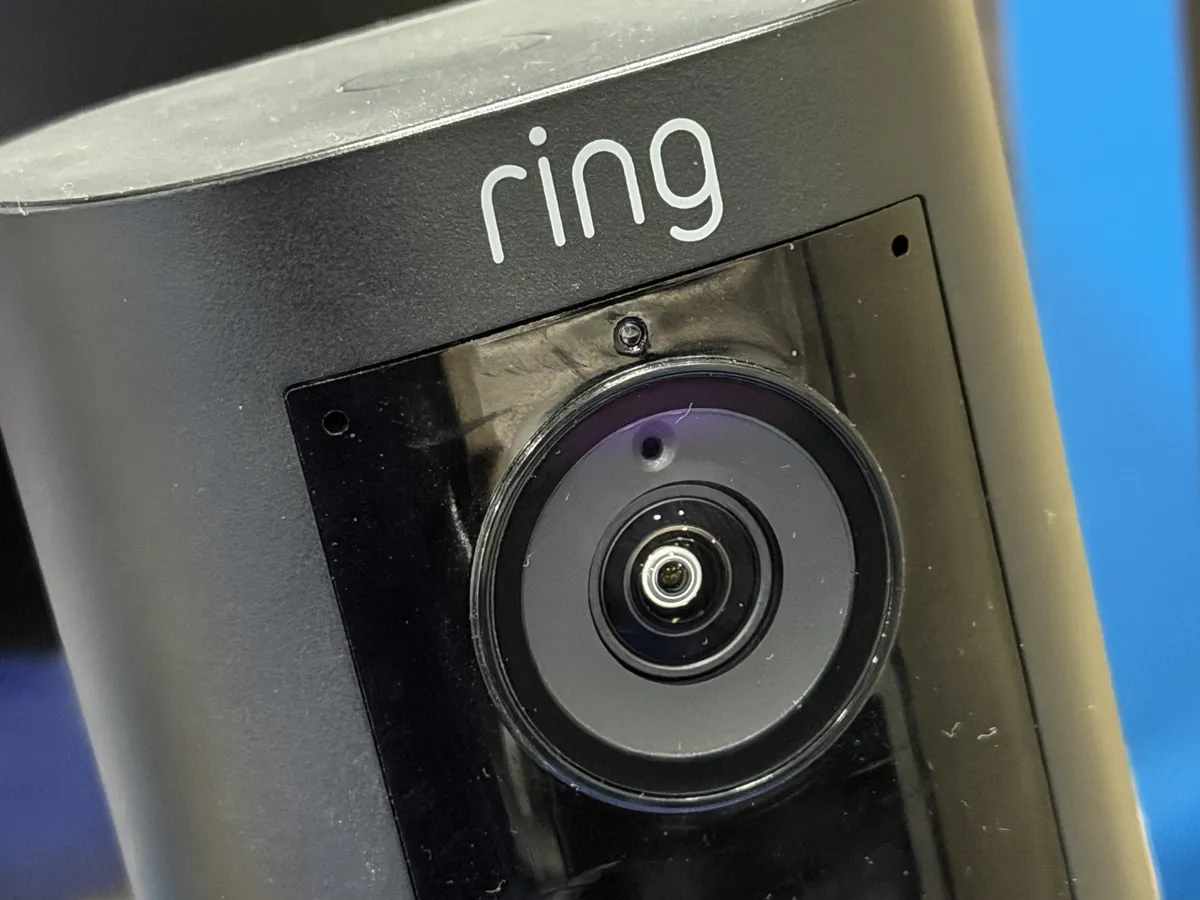
Ah yes, the humble doorbell. Once a simple button that made a pleasant ding-dong sound. Now? A biometric surveillance node attached to your porch that remembers your face. Progress!
Amazon is facing a class action lawsuit over a Ring doorbell feature that uses facial recognition technology to identify visitors - a capability the company calls 'familiar faces,' which is either a warm and fuzzy branding choice or the most unnerving phrase in consumer tech, depending on your privacy sensibilities.
So what exactly is 'familiar faces'?
According to reporting by Mashable, the feature is designed to let Ring users identify who's regularly showing up at their door. Sounds convenient, right? Your Ring learns the faces of your regular visitors and can tell you who's there. Cute, neighbourly, totally not at all like something out of a Philip K. Dick novel.
The lawsuit argues otherwise. The core concern here is the kind that should make anyone pause - facial recognition technology collecting and processing biometric data without proper consent from the people being scanned. You didn't sign up for Amazon's facial database just by walking up to your friend's front door to return a borrowed casserole dish.
Why this actually matters
This isn't just a tech nerd concern. Biometric data - think fingerprints, face scans, iris patterns - is in a different legal and ethical category from, say, your email address. You can change your email. You cannot change your face (well, not easily, and not affordably).
Several U.S. states have specific laws around biometric data collection, including requirements for explicit consent. That's exactly the kind of regulation a class action suit like this tends to lean on heavily.
Ring doorbells are also not just sitting on one or two doors. They are everywhere. Millions of them, forming an unofficial neighbourhood-by-neighbourhood camera network that Amazon has previously partnered with law enforcement agencies to access. Adding facial recognition to that equation is... a lot.
The bigger picture here
Amazon is no stranger to controversy around Ring and privacy. The company has faced scrutiny over data sharing practices, law enforcement partnerships, and the sheer scale of its residential camera footprint for years now.
But slapping a face-matching AI onto the whole thing and calling it 'familiar faces' feels like a new chapter entirely. The lawsuit is a signal that consumers - and their lawyers - are paying attention.
Whether you think this is a reasonable convenience feature or a doorstep panopticon really depends on how much you trust a trillion-dollar company with a map of your face. Choose wisely.