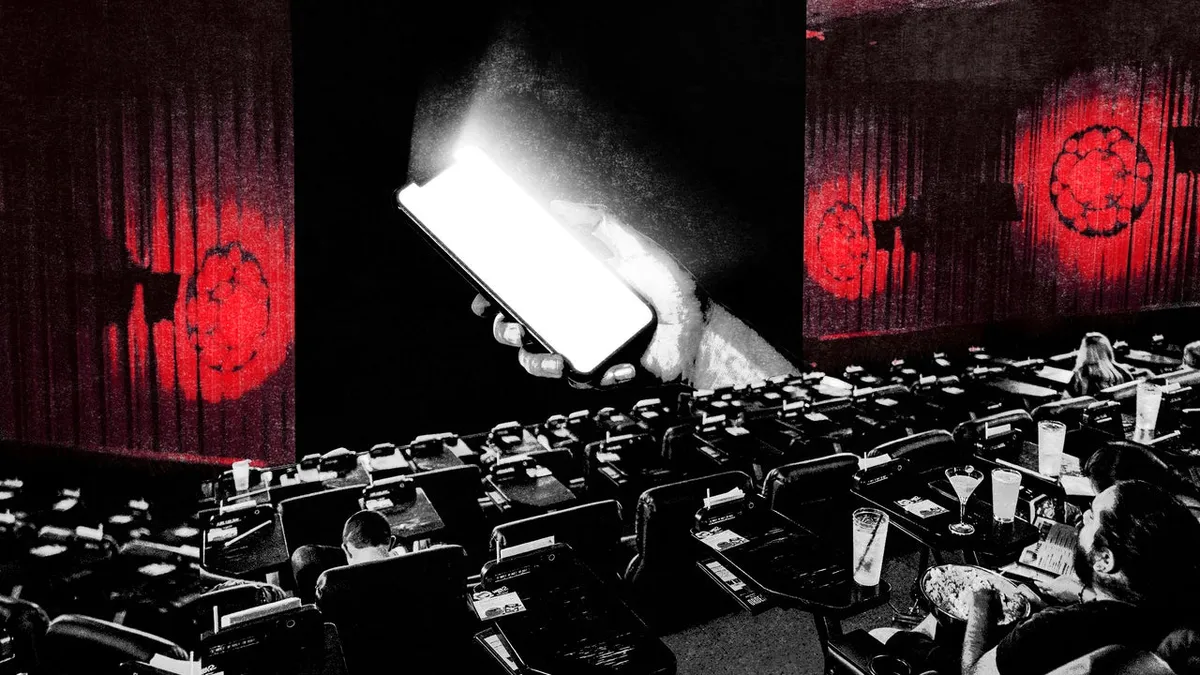
If you've ever been to an Alamo Drafthouse, you know the deal. Comfy seats, booze, actual food, and a culture of "shut up and watch the movie" that borders on religion. It's basically the church for people who take cinema too seriously - and that's a compliment.
So when the chain quietly swapped its iconic paper ordering system for QR codes in February, the faithful were not having it.
The great QR code uprising of 2025
The change was pretty straightforward on paper (no pun intended): instead of scribbling your order on a little notepad and sliding it to the edge of your armrest like a tiny secretive note in class, customers now pull out their phones and tap through a digital menu. Standard stuff in 2025, right?
Wrong. Absolutely wrong. The backlash was, by the CEO's own account, deeply personal in its intensity. According to a Fast Company report, the Alamo Drafthouse CEO described the customer reaction as hurting more than "most of the breakups I've had." Which is either very dramatic or a sign that this CEO has had some remarkably painless romantic history.
Why they did it anyway
The move wasn't just some tech-bro pivot for the sake of looking modern. The QR system was reportedly designed to fix real, grinding operational problems - both for staff and for guests. The old paper system, charming as it was, apparently created friction behind the scenes that added up over thousands of orders a night.
Still, Alamo Drafthouse built its entire identity on being the anti-multiplex. The paper ordering system was part of that identity. It felt analog, intimate, a little rebellious. Replacing it with a QR code - the same technology you use to check the specials at a mediocre airport bar - was always going to sting.
The CEO steps in
To the brand's credit, rather than going quiet and hoping the discourse died down, the CEO has reportedly been actively addressing the controversy and explaining the reasoning. That's not nothing. Companies usually respond to this kind of backlash with a bland statement and a discount code.
Whether the explanation lands is another matter. For a theater chain whose superfans clearly have strong feelings about the experience - strong enough to compare a menu change to heartbreak - the bar for "winning them back" is unusually high.
The real question is whether Alamo Drafthouse can keep what makes it special while modernizing the parts that aren't. That's a tightrope walk every beloved brand eventually faces. Let's hope they don't drop the nachos on the way across.