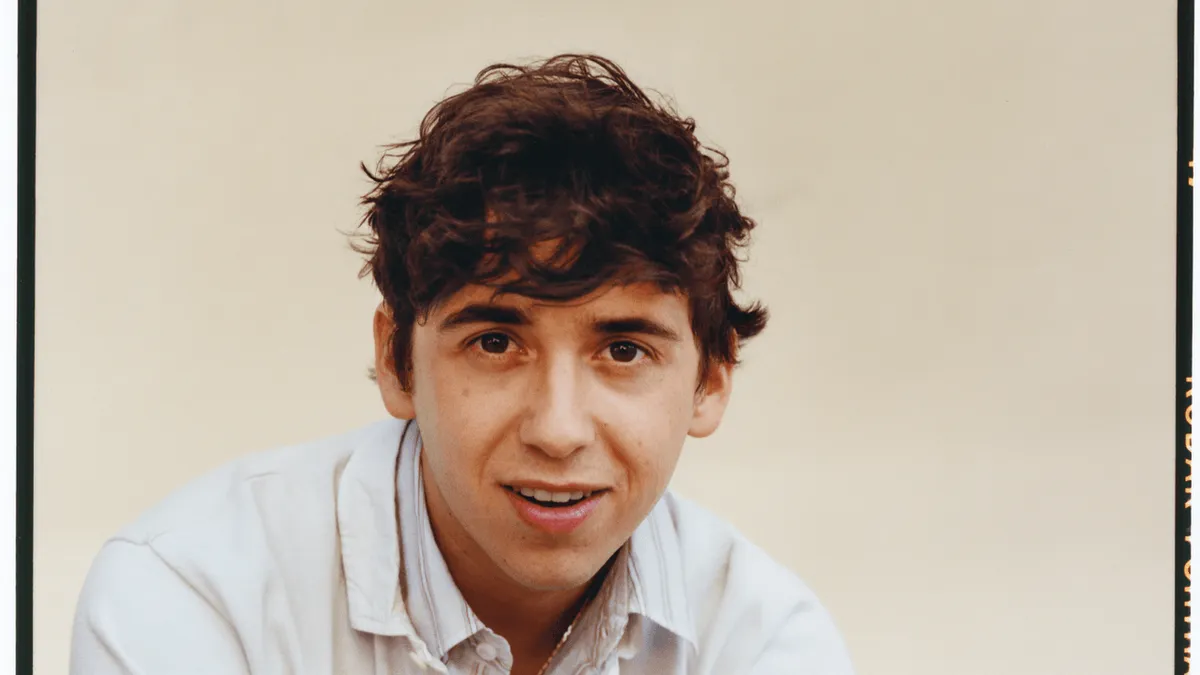
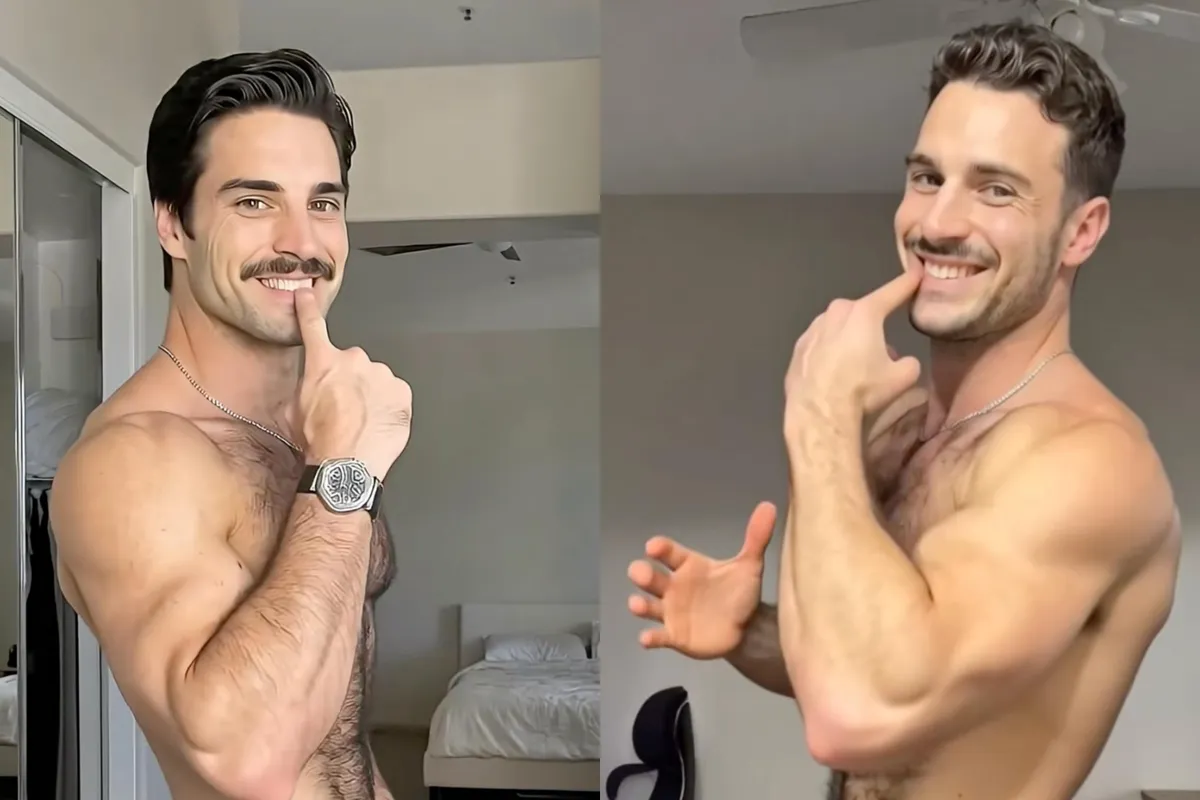
Meet Derek Lam. He's shirtless. He's dancing. He's shirtless AND dancing. He has over 31,000 TikTok followers and nearly 40,000 on X, and his comments are a beautiful chaos of multilingual thirst - red hearts, crying-laughing emojis, people declaring him "the finest man on the internet" in at least three languages.
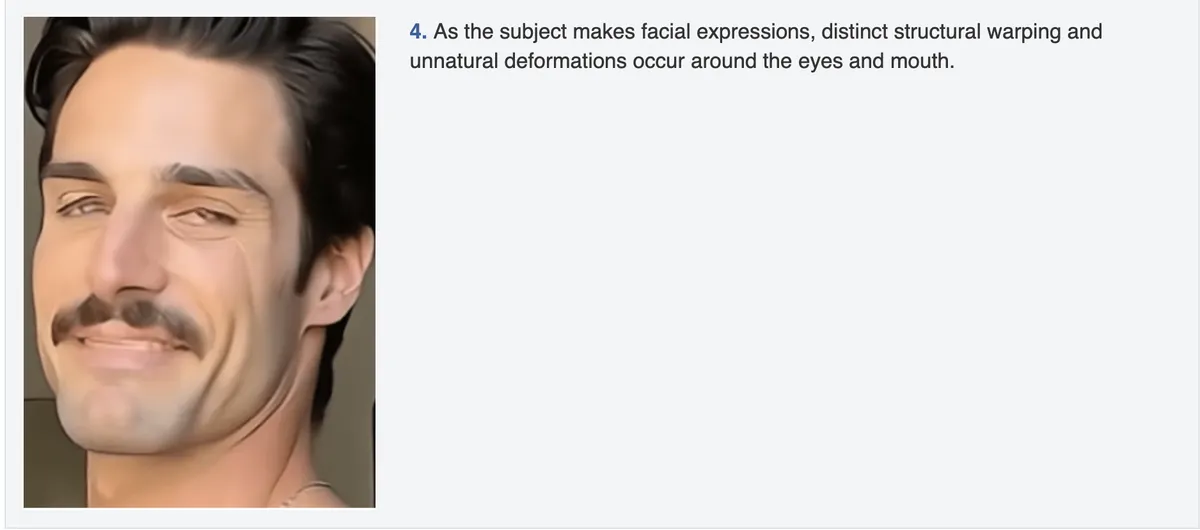
There's just one small problem. Derek Lam, as Vox reports, almost certainly isn't real.
The AI thirst trap pipeline is very much a thing now
We've reached a new and genuinely weird chapter in internet culture. AI-generated male influencers - shirtless, conventionally attractive, algorithmically optimized to short-circuit your brain - are quietly building massive followings in gay online spaces. And their audiences, largely, have no idea.
This isn't just a "haha technology is wild" moment. It actually gets at something pretty uncomfortable about how we consume attraction online. When someone leaves a heartfelt comment about how beautiful a person is, and that person is a cluster of pixels dreamed up by a diffusion model, something genuinely strange has happened to the social contract of social media.
Why it works so well (and why that's fascinating, not just creepy)
The cruel irony is that AI influencers work BECAUSE they're perfect. No bad angles. No awkward interviews. No scandals. Just an endless feed of exactly what the algorithm knows you want to see. They are, in a very literal sense, optimized for engagement in a way no human could ever be.
Gay men, who have historically been among the most active and community-driven users of visual social platforms, are a particularly ripe audience for this - not because they're naive, but because the spaces where queer people find connection and affirmation online are already so visually driven. Someone figured that out, and now they're farming it.

So what do we actually do with this information
Honestly? It's a mess with no clean resolution. Deepfake detection is still a guessing game for most users. Platforms aren't exactly rushing to slap warning labels on AI-generated hotties. And the parasocial pull of a beautiful face - real or rendered - is a very human vulnerability that predates the internet by several thousand years.
What's worth sitting with is the question of what we're actually craving when we follow someone like Derek Lam. Community? Aspiration? Just a nice thing to look at on a Tuesday? Those needs are real, even when the person fulfilling them isn't.
The abs were fake. The loneliness that made them appealing wasn't.