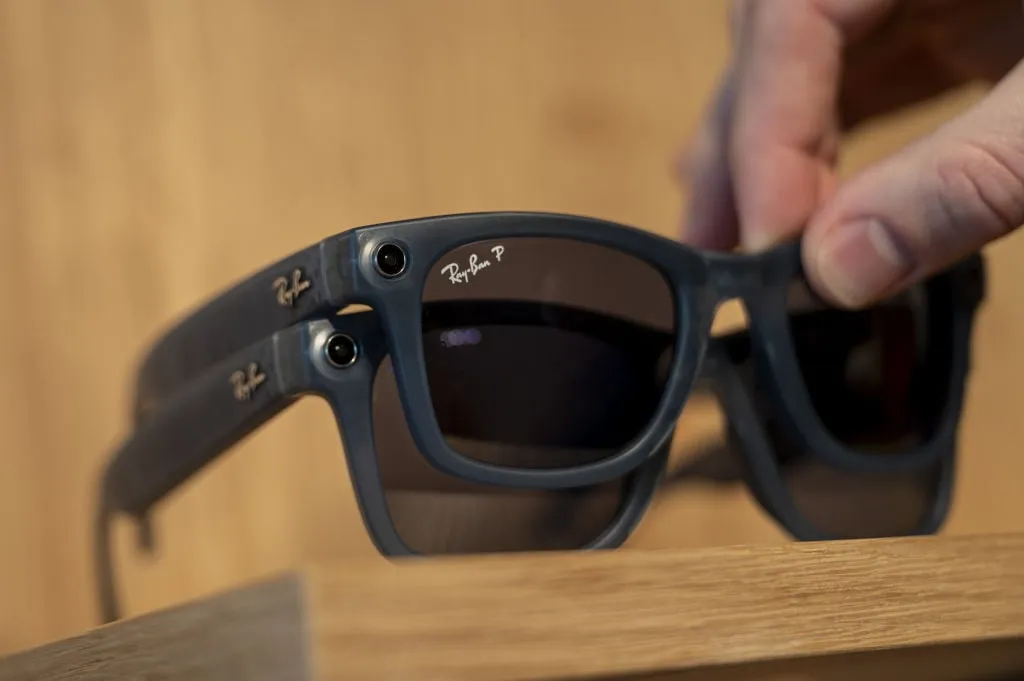
Smart glasses have always walked a fine line between cool tech accessory and privacy nightmare. Now, a growing chorus of civil liberties groups is pushing back hard against Meta's reported plans to take things a significant step further - by building facial recognition directly into its Ray-Ban smart glasses.
The ACLU, along with several dozen other organizations, has signed an open letter to Meta calling on the company to abandon the idea entirely, according to reporting from Mashable. The concern isn't just theoretical. When you combine always-on wearable cameras with real-time facial recognition, you get a tool that could identify strangers in public without their knowledge or consent - instantly and invisibly.

Why this particular tech combo worries people
Regular cameras, even on glasses, have a kind of friction built in. People can usually tell when they're being filmed. Facial recognition removes that friction completely. Someone wearing a pair of smart glasses could theoretically scan a crowded room and pull up identifying information on anyone in their field of view - no interaction required.
For privacy advocates, this isn't a slippery slope argument. It's a direct line from a consumer product to mass surveillance infrastructure, worn casually on someone's face at a coffee shop or on public transit.
Meta's position in the wearables market makes this urgent
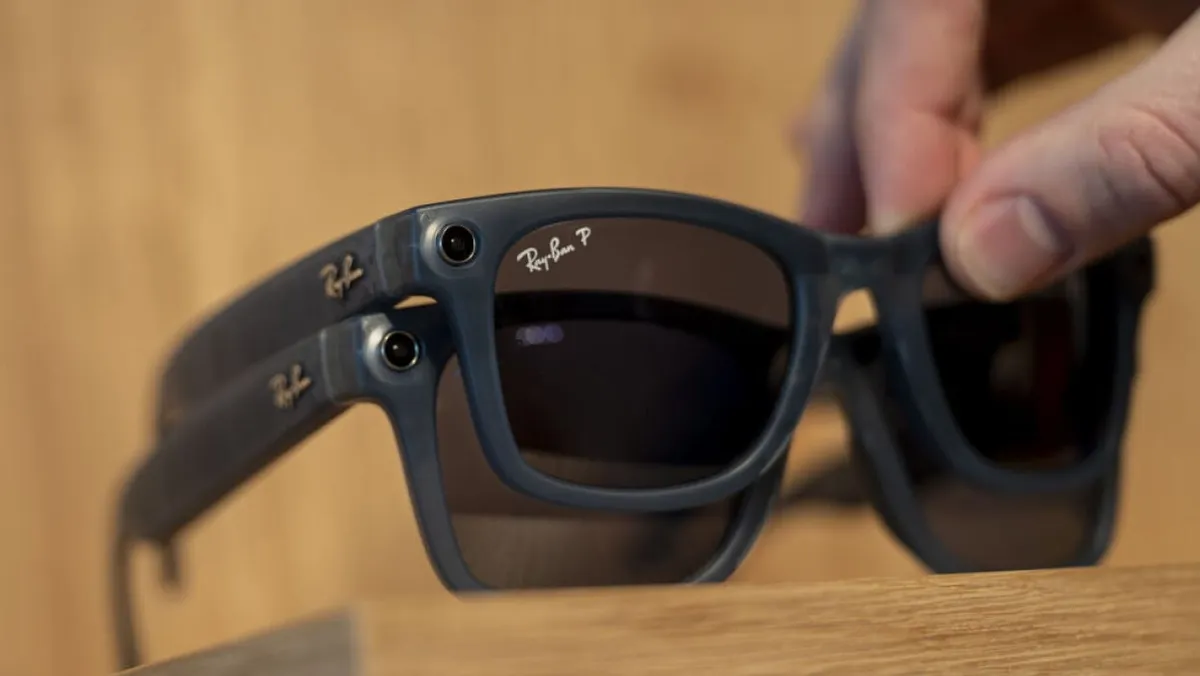
This matters more because of who's doing it. Meta's Ray-Ban smart glasses have actually found a mainstream audience - they look like regular sunglasses, they're reasonably priced, and they've been gaining real traction. That wide adoption is exactly what makes adding facial recognition so consequential. This wouldn't be a niche device used by a handful of early adopters. It could become something millions of people wear every day.
The coalition behind the letter represents a broad range of perspectives, from digital rights groups to community organizations - a sign that concern about this technology cuts across the usual lines.
The bigger picture
We're at a genuinely important moment with wearable tech. The hardware is good enough, the user base is growing, and the software capabilities are expanding fast. Decisions made right now about what features get built in - and what guardrails exist - will shape how this technology develops for years to come.
Whether Meta listens remains to be seen. But the fact that so many groups felt urgency to act now, before the feature launches, suggests they understand that pushing back after the fact is a much harder fight to win.